Garett has been doing the blogging, but I’ve been thinking about what I’ve been seeing a bit and wanted to do a post as well. Some things I’ve noticed:
I know everyone says this, but Japan really is super clean. There are no garbage cans anywhere but still somehow no litter. Garett and I have had to carry our trash all day because we simply can’t find a way to throw it out. Often even the bathrooms don’t have a garbage can. But the cleanliness applies to everything. In contrast to other places we’ve been, in Japan there’s very little graffiti or defacement of anything–I cannot think of any place I’ve visited in the world that doesn’t have huge amounts of graffiti. Also the subways actually don’t smell bad. I don’t know how they do it, but it’s quite the joint enterprise. Collectivism has its perks.
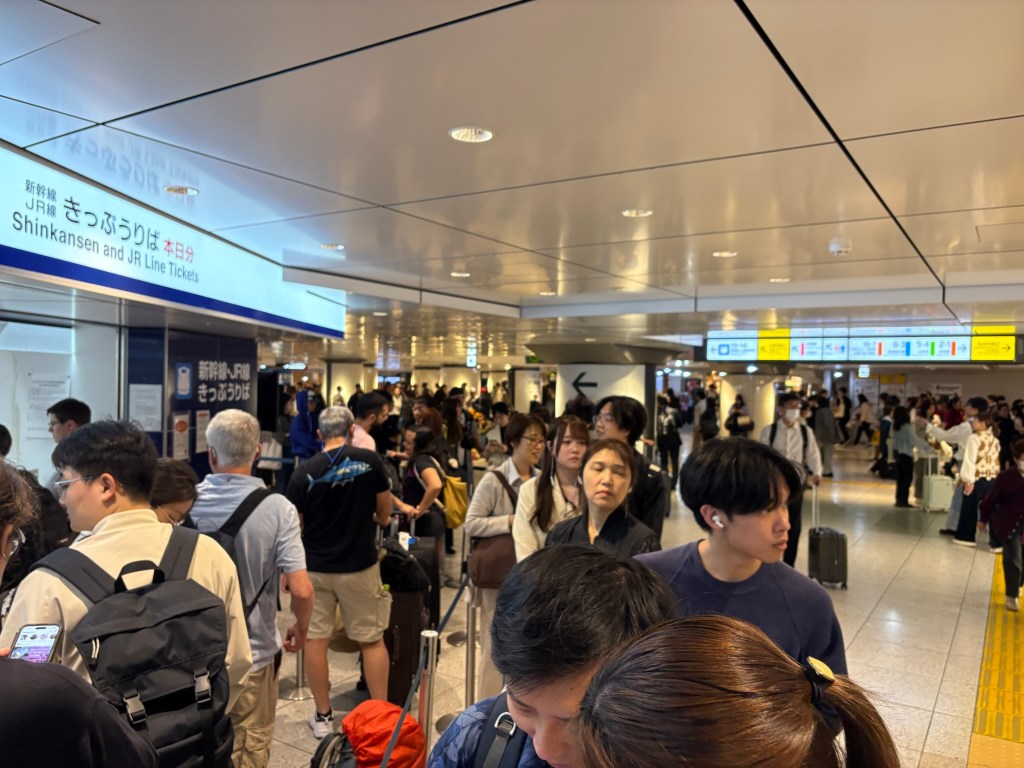
Tokyo’s population is huge–I’ve never been around so many people in my entire life. The first time I tried to get on a rush hour subway I wasn’t expecting the car to be so full and I couldn’t make myself get on. People are packed in so tightly that the doors physically can’t close; you are smashed up against other people on all sides of your body. I got on the second train, but I had to steel myself to do it. This is Tokyo Station.
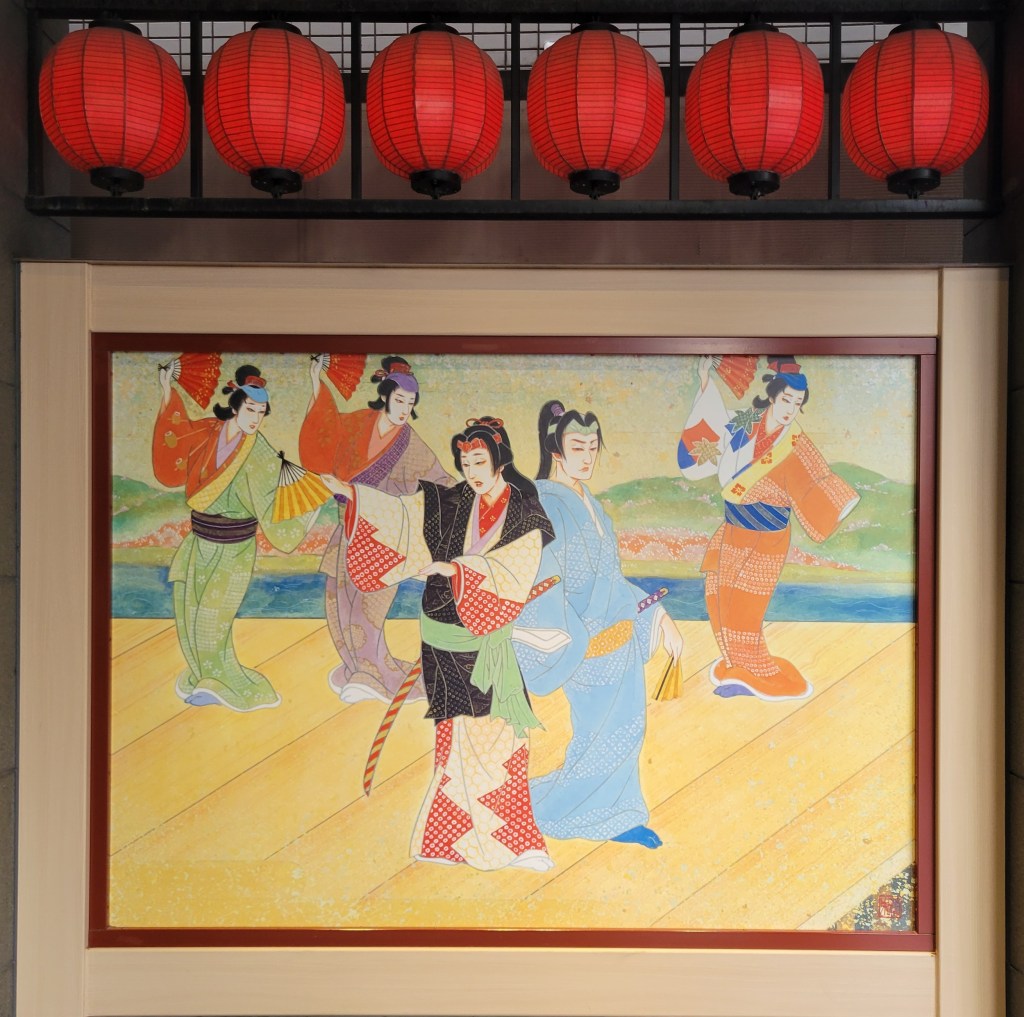
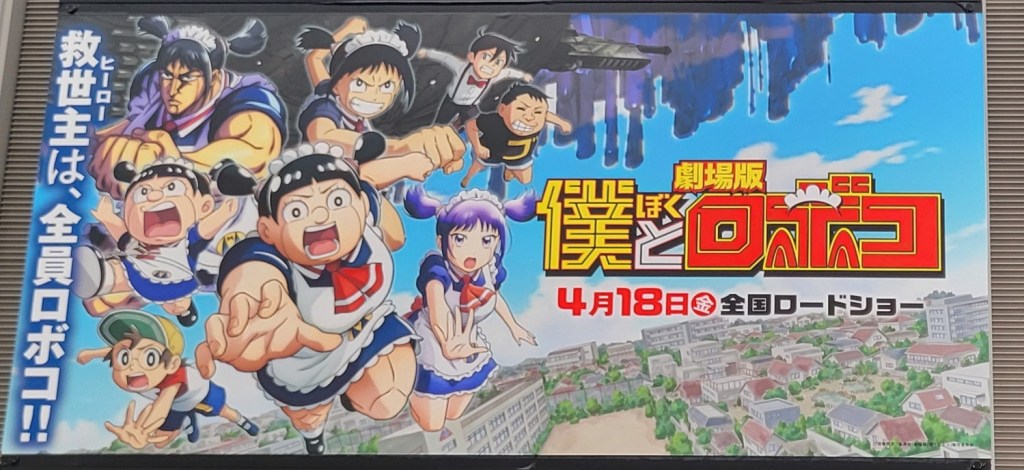
I love looking at the clothing people wear places I go. On any given weekday, at least 50% of the men will be in suits–apparently the casual attire we all donned after covid didn’t make it to Japan. Also, both men and women wear darker colors on average. And sometimes you’ll see a woman dressed traditionally in a kimono and just a few minutes later see a woman dressed as an anime maid. It’s crazy that such contradictory images are both symbols of Japanese women.
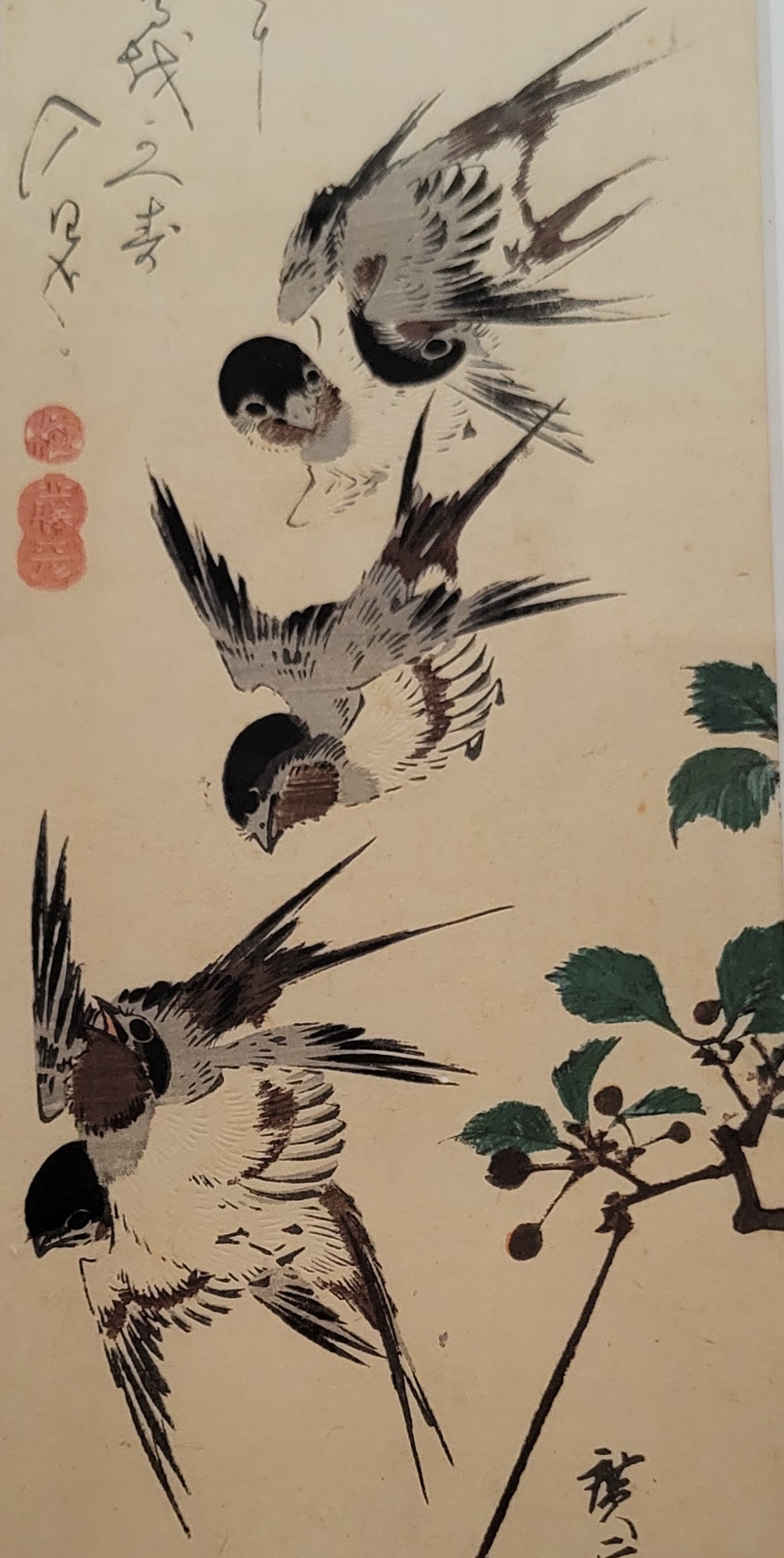
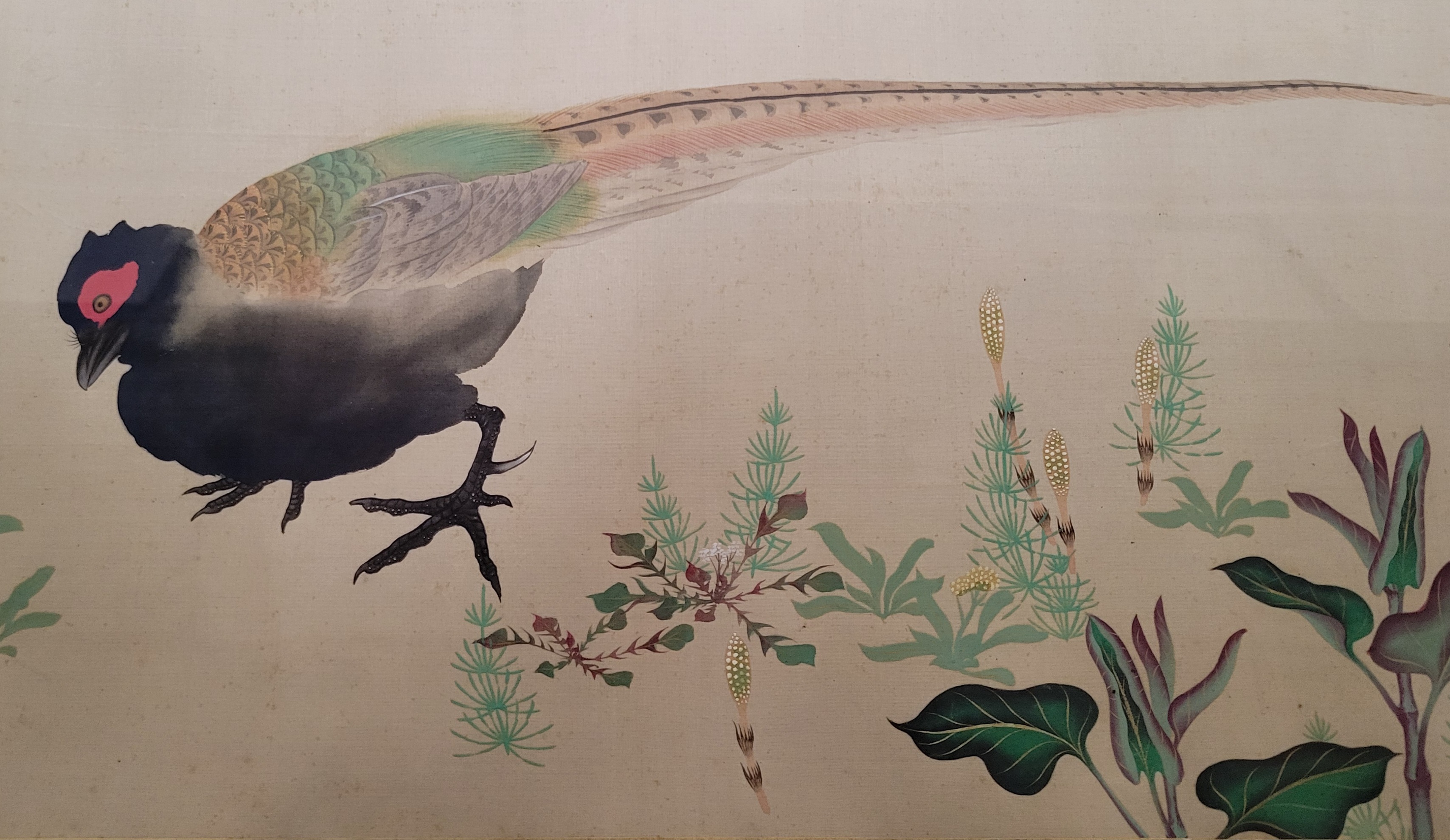
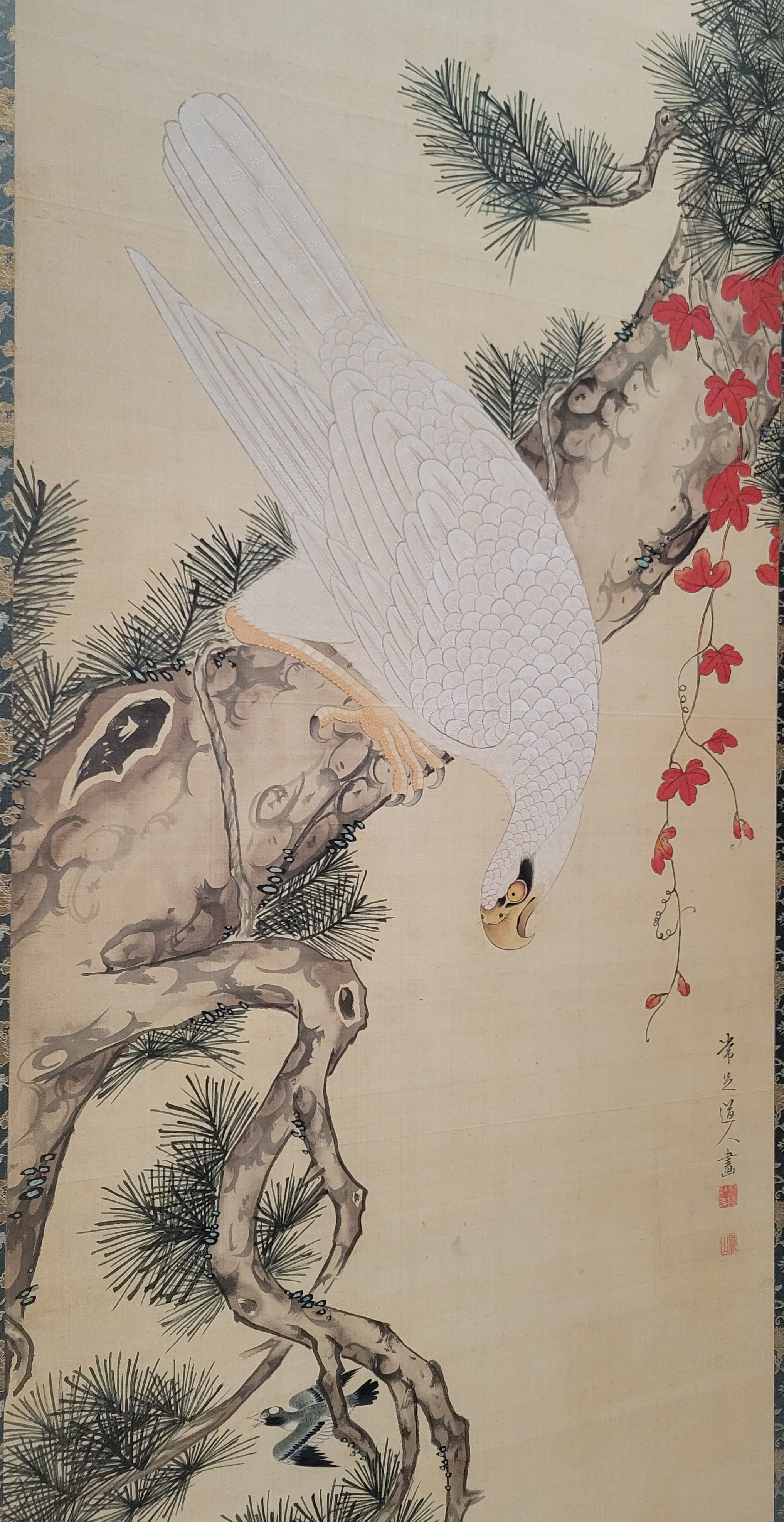
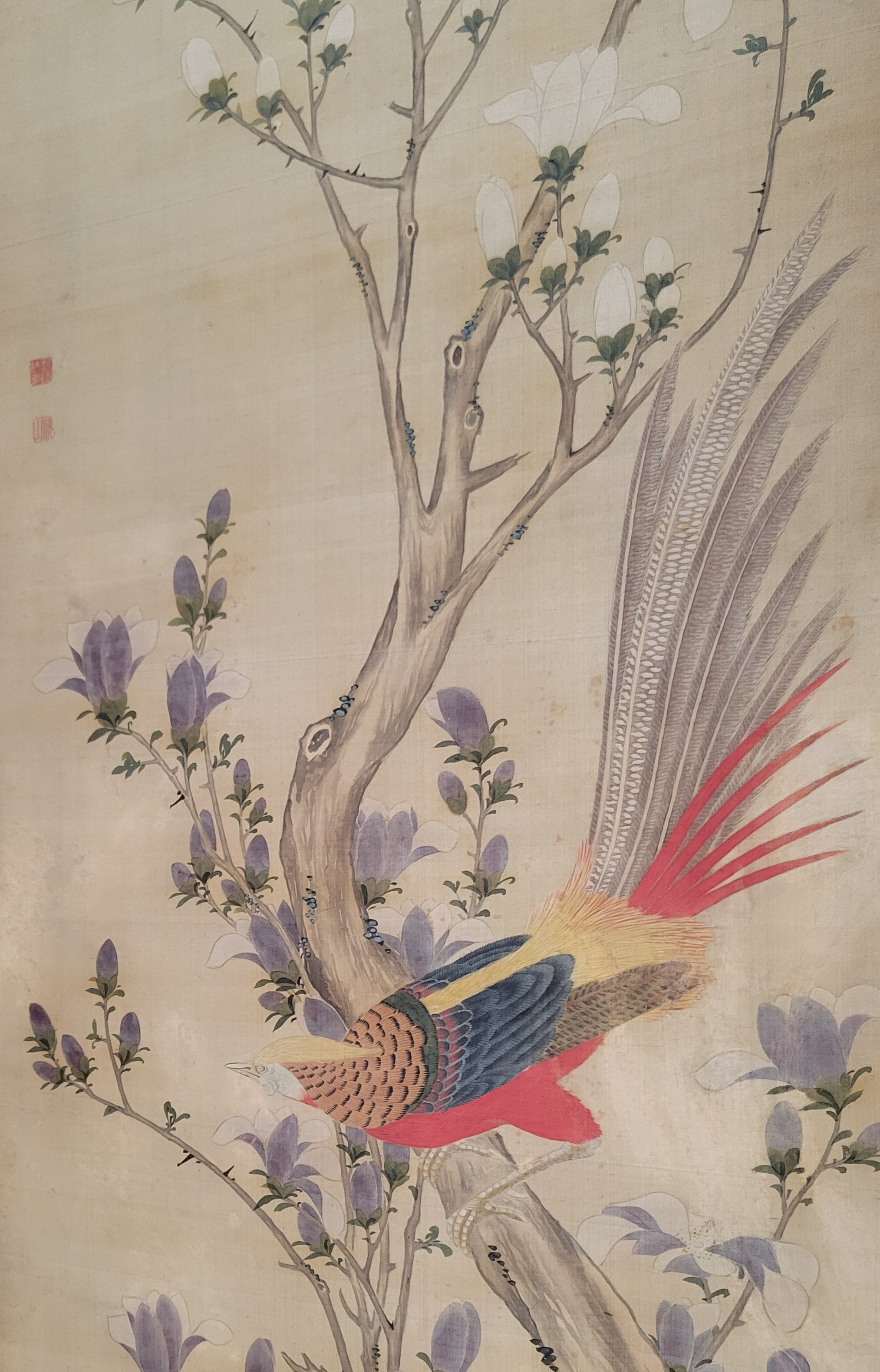
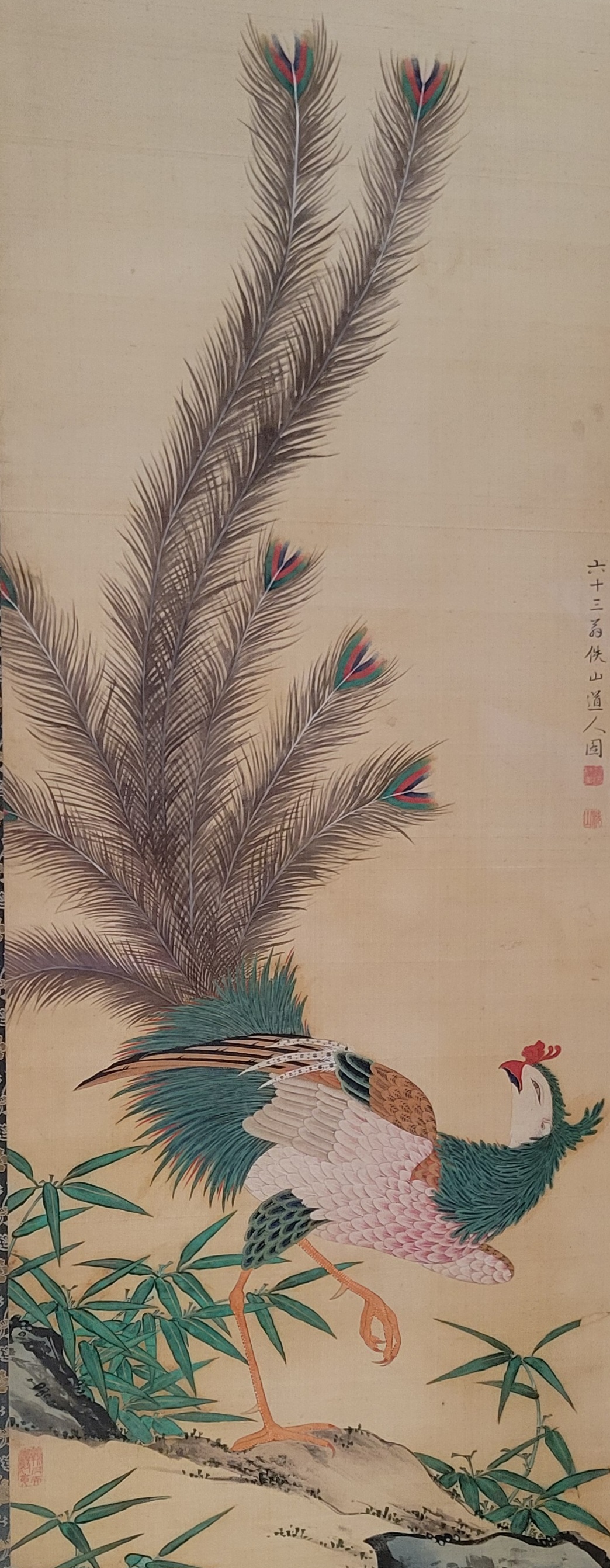
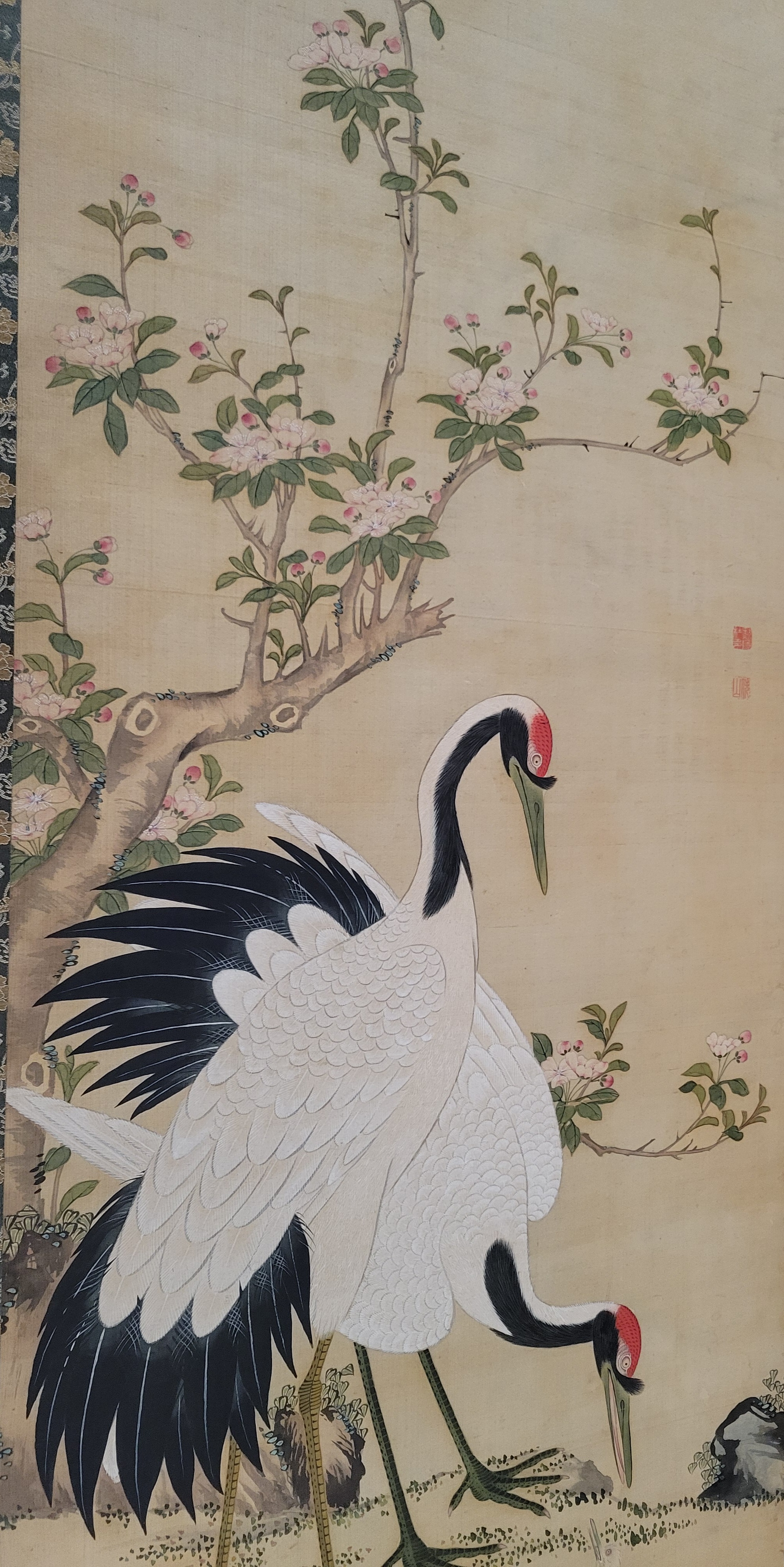
Tokyo National Museum
There was obviously a ton at this museum–it was huge and also part of a big compound of museums. I write quite a bit about the next museum and it’s kind of long, so for this one I just wanted to record what I really got into while I was there: birds. Look at all these amazing birds! I especially love the cormorant eating the fish. Enjoy!
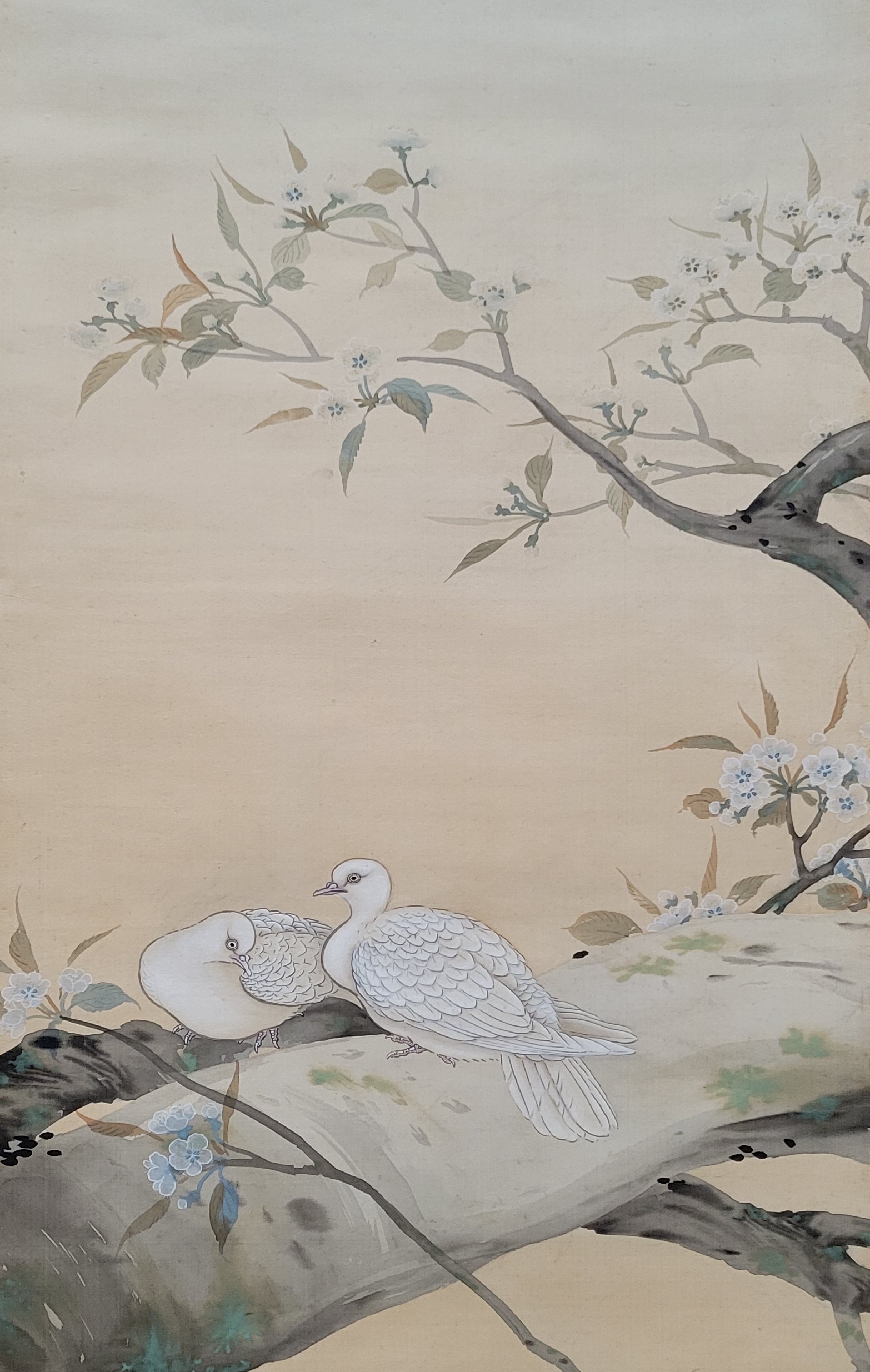
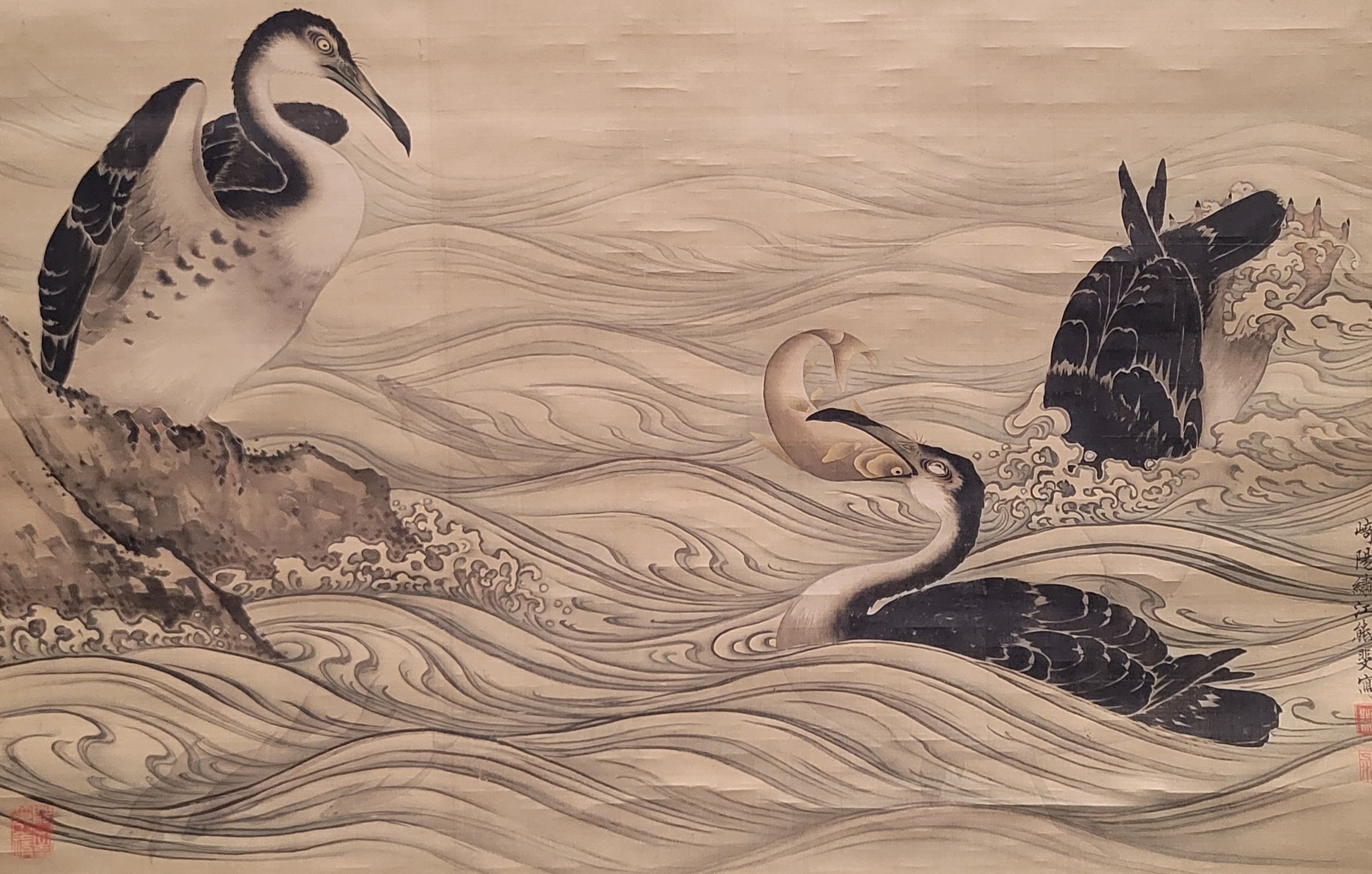
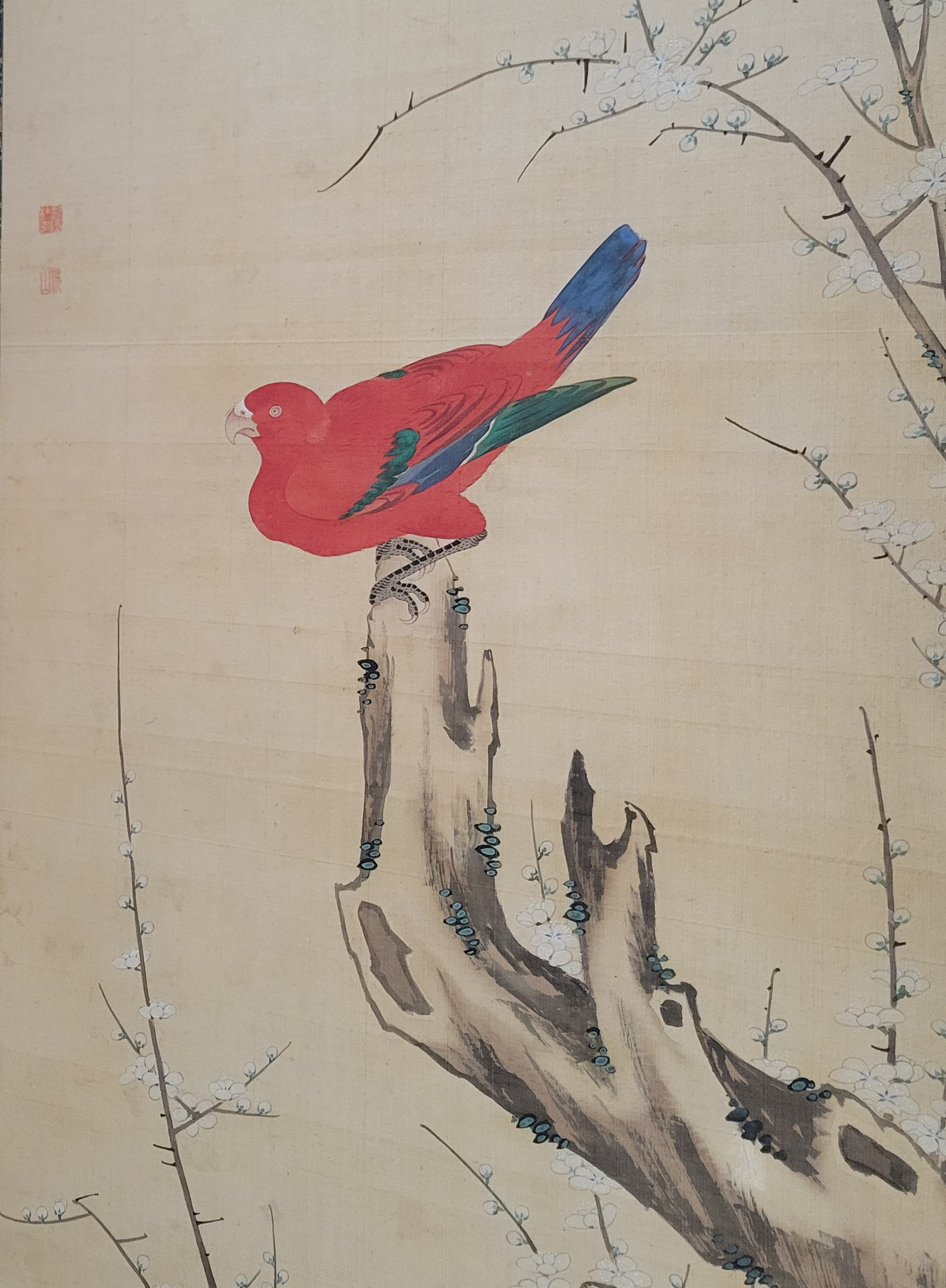
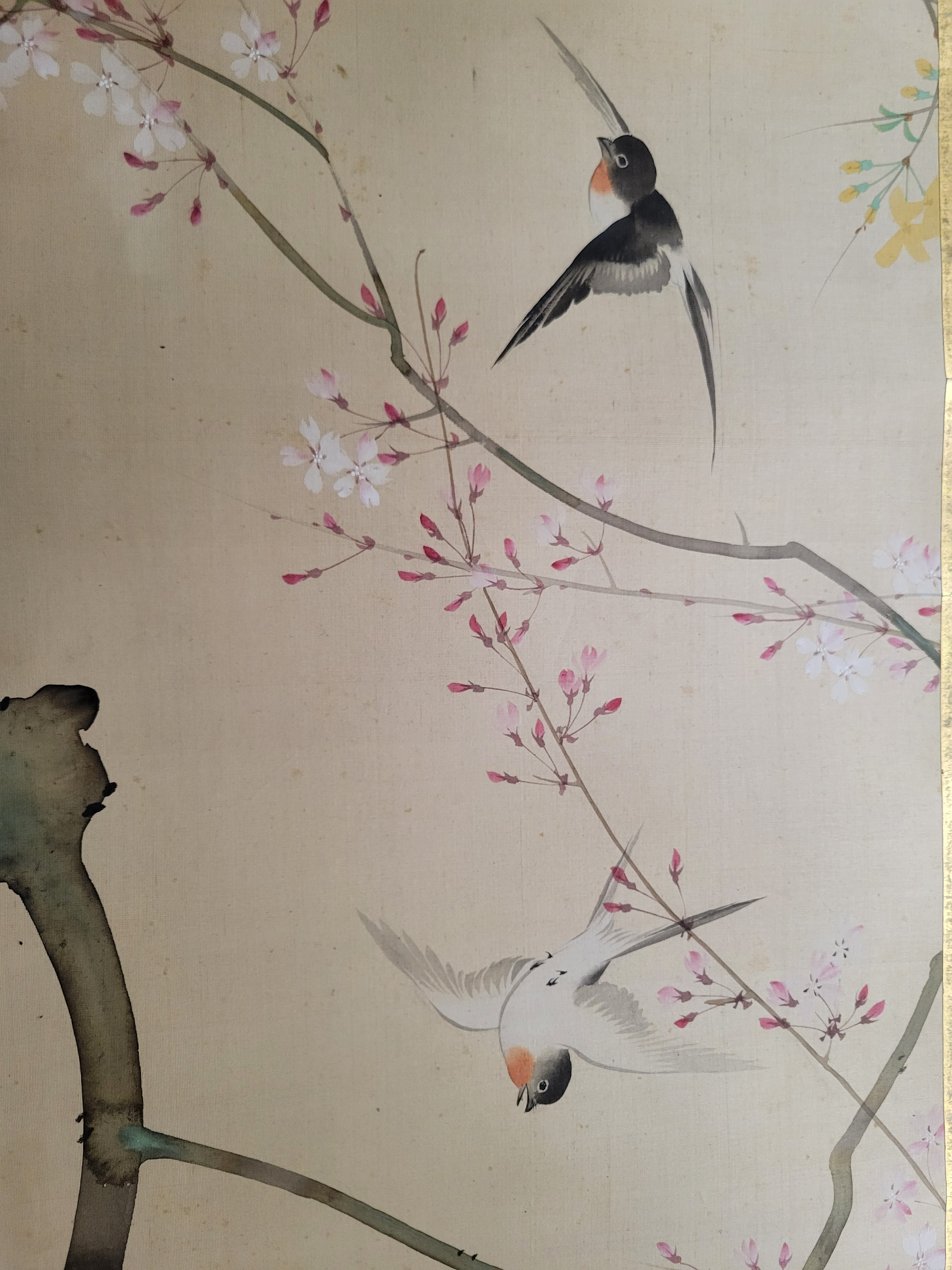
Yushukan War Museum
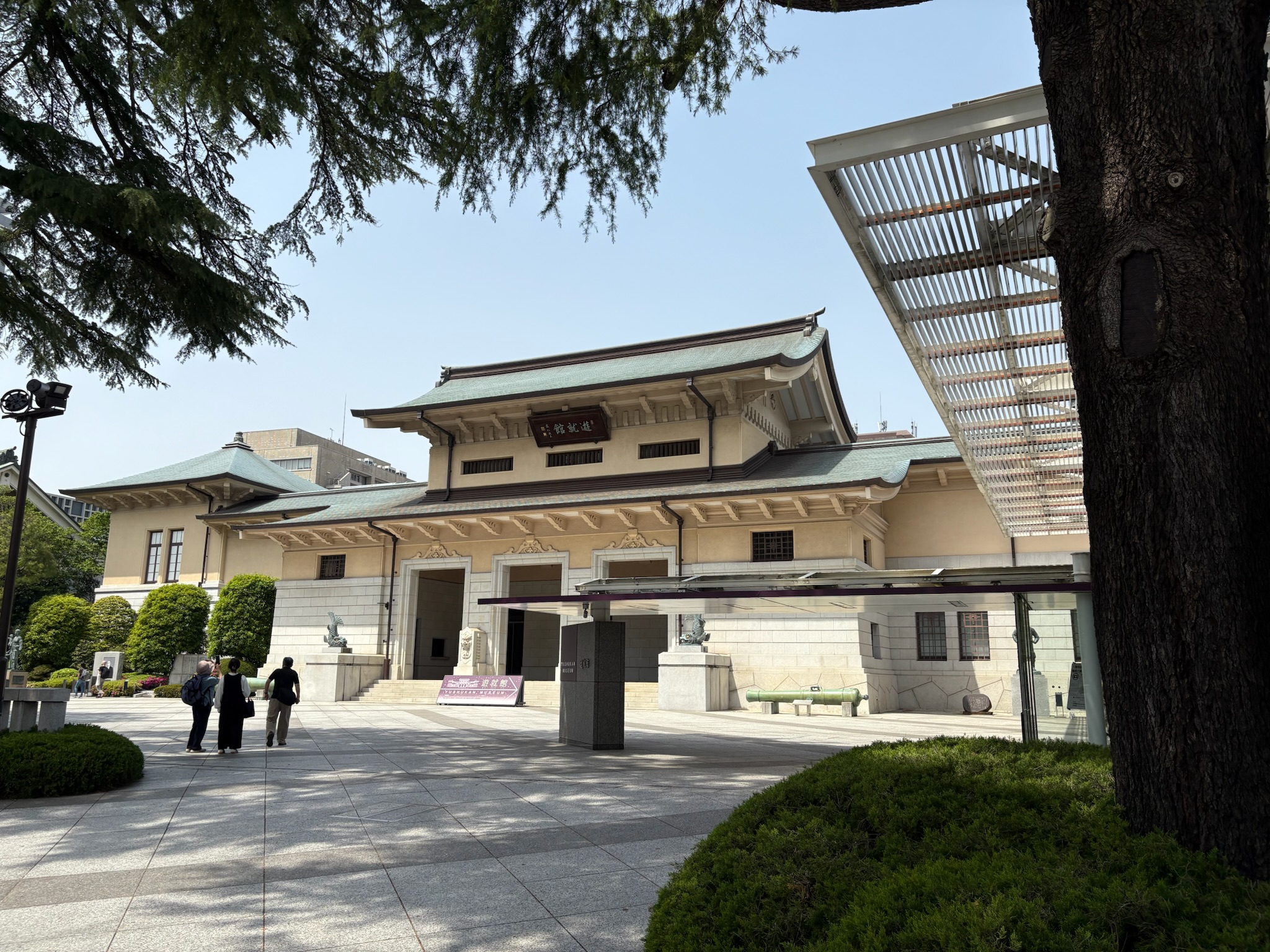
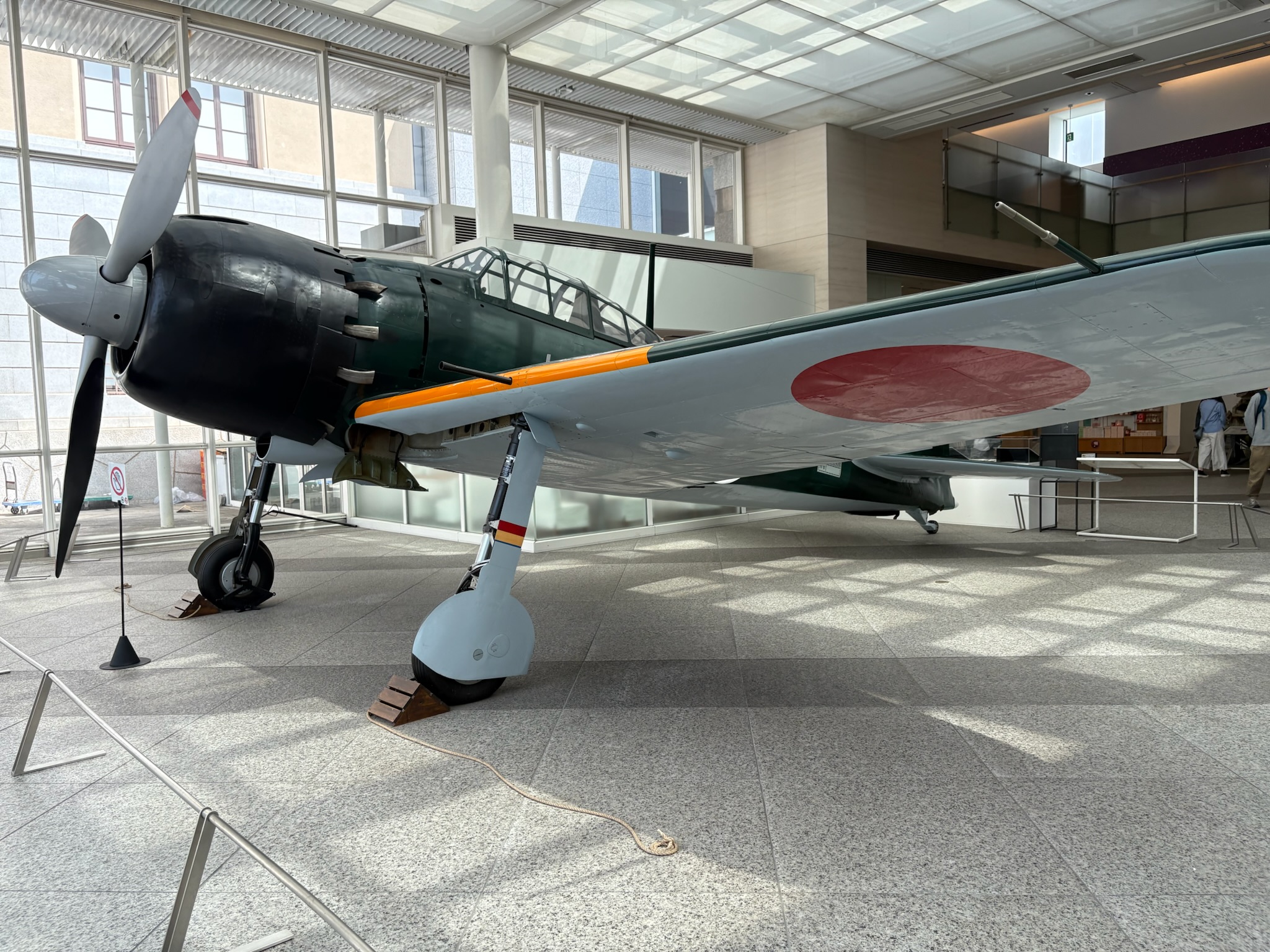
We have only gone to two museums so far, the Tokyo National Museum and the Yushukan war museum. The Yushukan did not allow photos in most of the museum, which is probably a good thing for their credibility, because it’s a revisionist history museum and quite controversial, particularly politically. We didn’t know this before we went and we probably should not have gone (funding revisionist historical sites is definitely not ethical)–although I honestly found it really interesting. Basically, the museum claims Japanese aggression against other countries in SE Asia was necessary in order to defend the area from the encroachment of western powers. The west did encroach, but this is definitely not the entire story. And the museum pretty much doesn’t mention any atrocities committed by Japan during any wars–every action taken by the Japanese was justifiable. It’s always interesting though to see the ways a country deals with its past. As a caveat, in reality I know very little–these are just my own observations–and am probably being reductive. It’s just one museum after all.
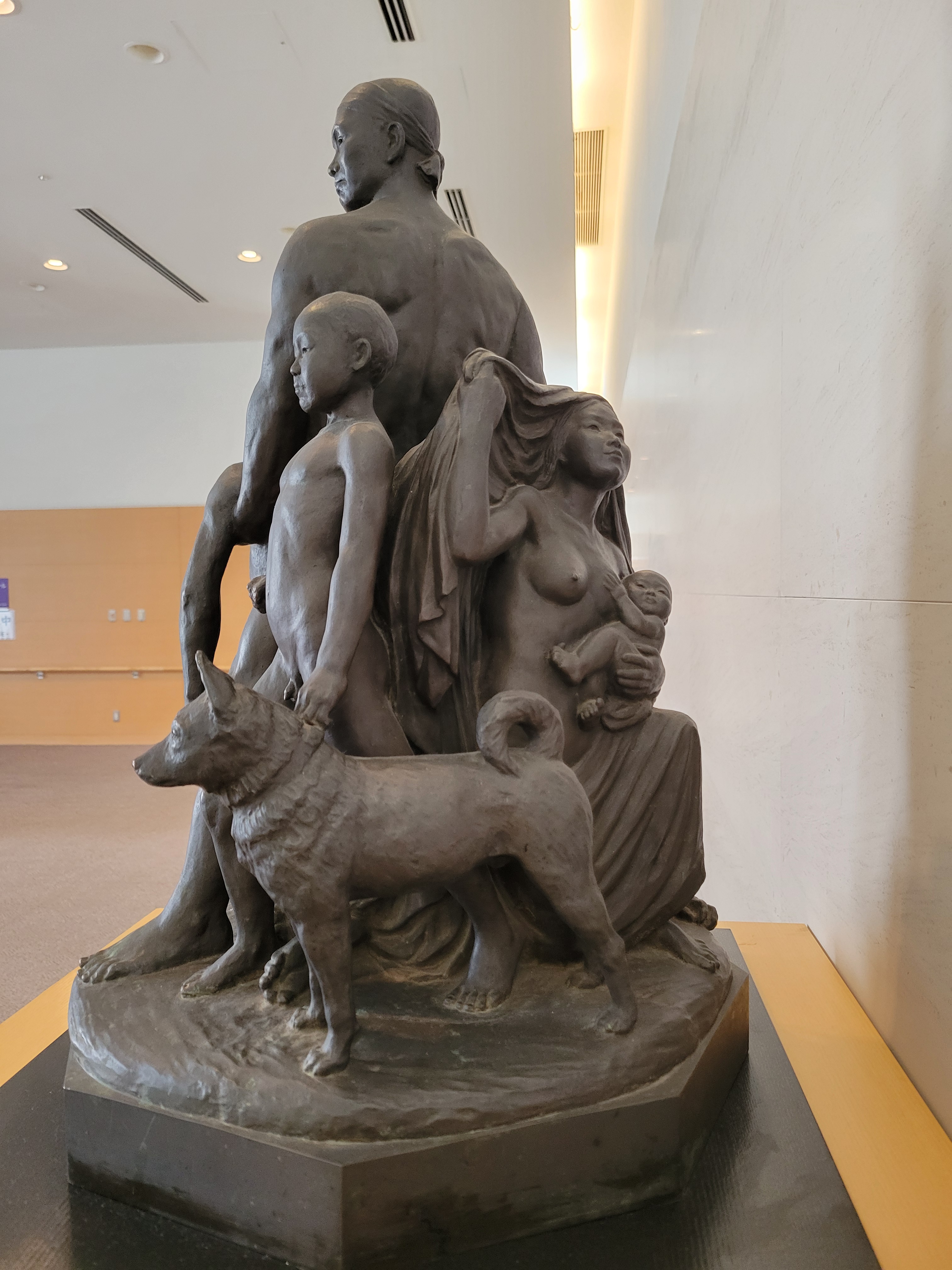
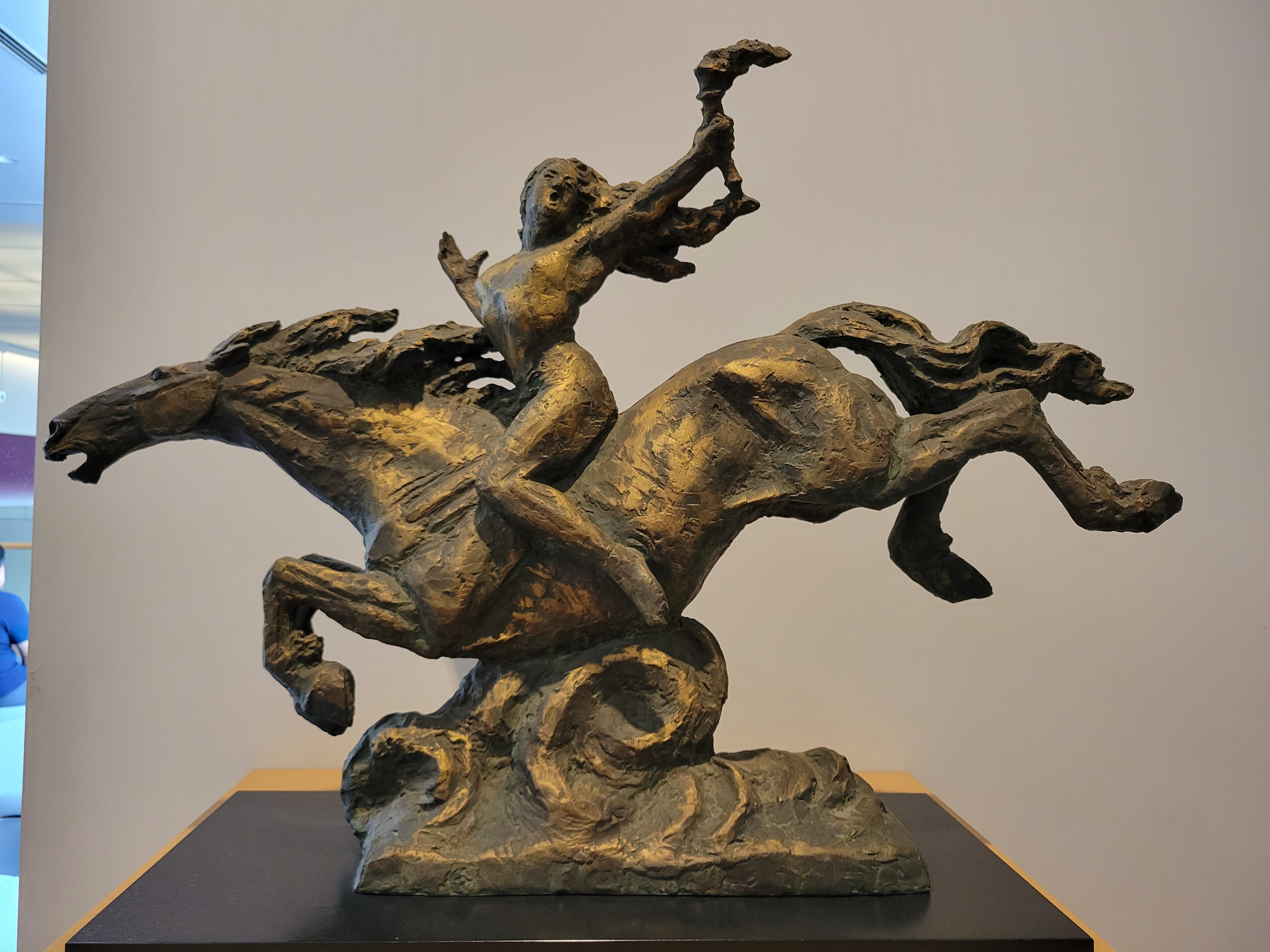
Here are a few pictures from the areas that allowed photos–the statue on the left is called “Greater East Asia.” The woman gets put in the back against the wall–at least she’s taller than the akita dog, I guess. And the right statue is called “Peace”–kind of crazy, right? She looks like she just burned down a city.
Yasukuni Shrine
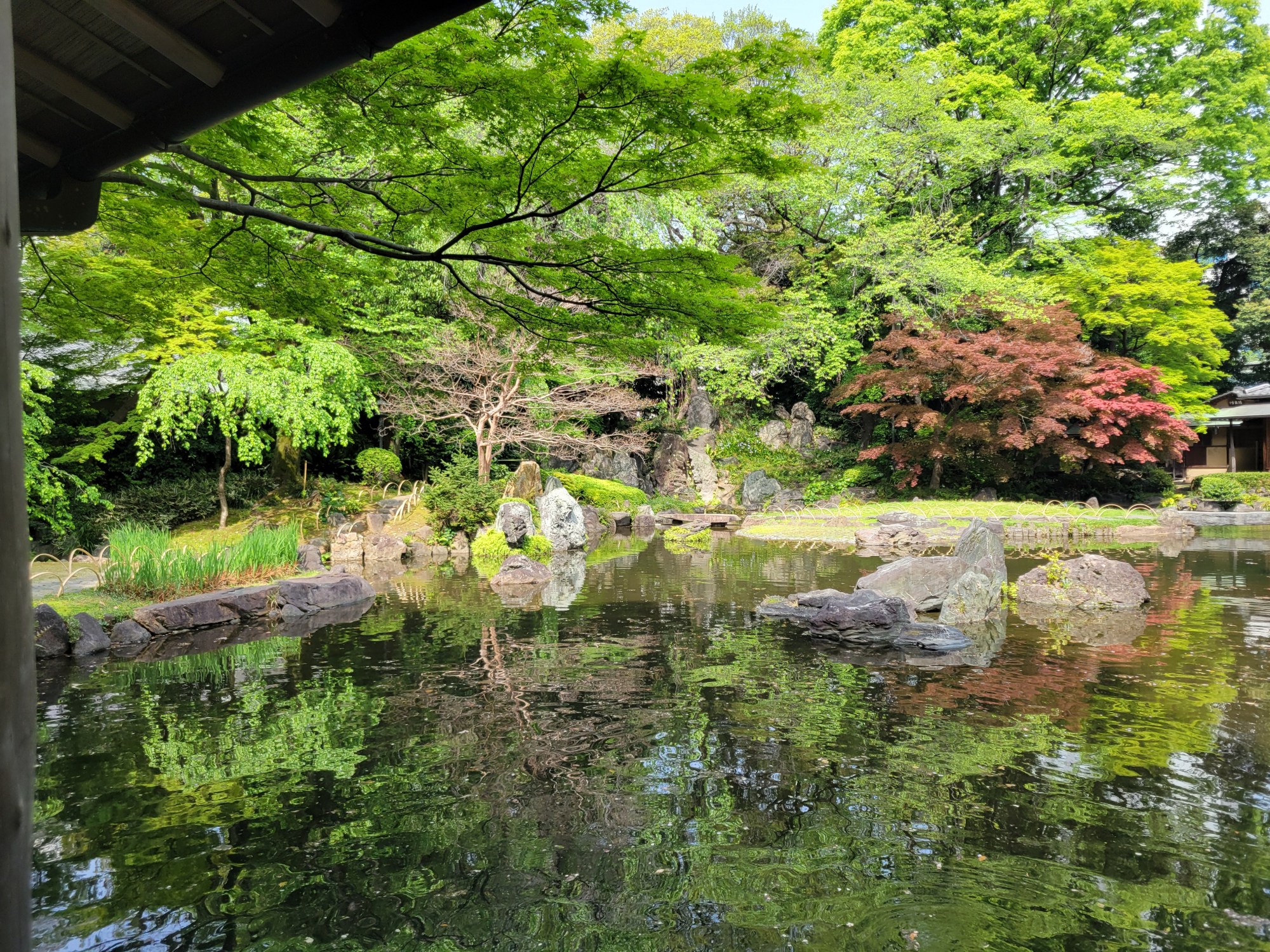
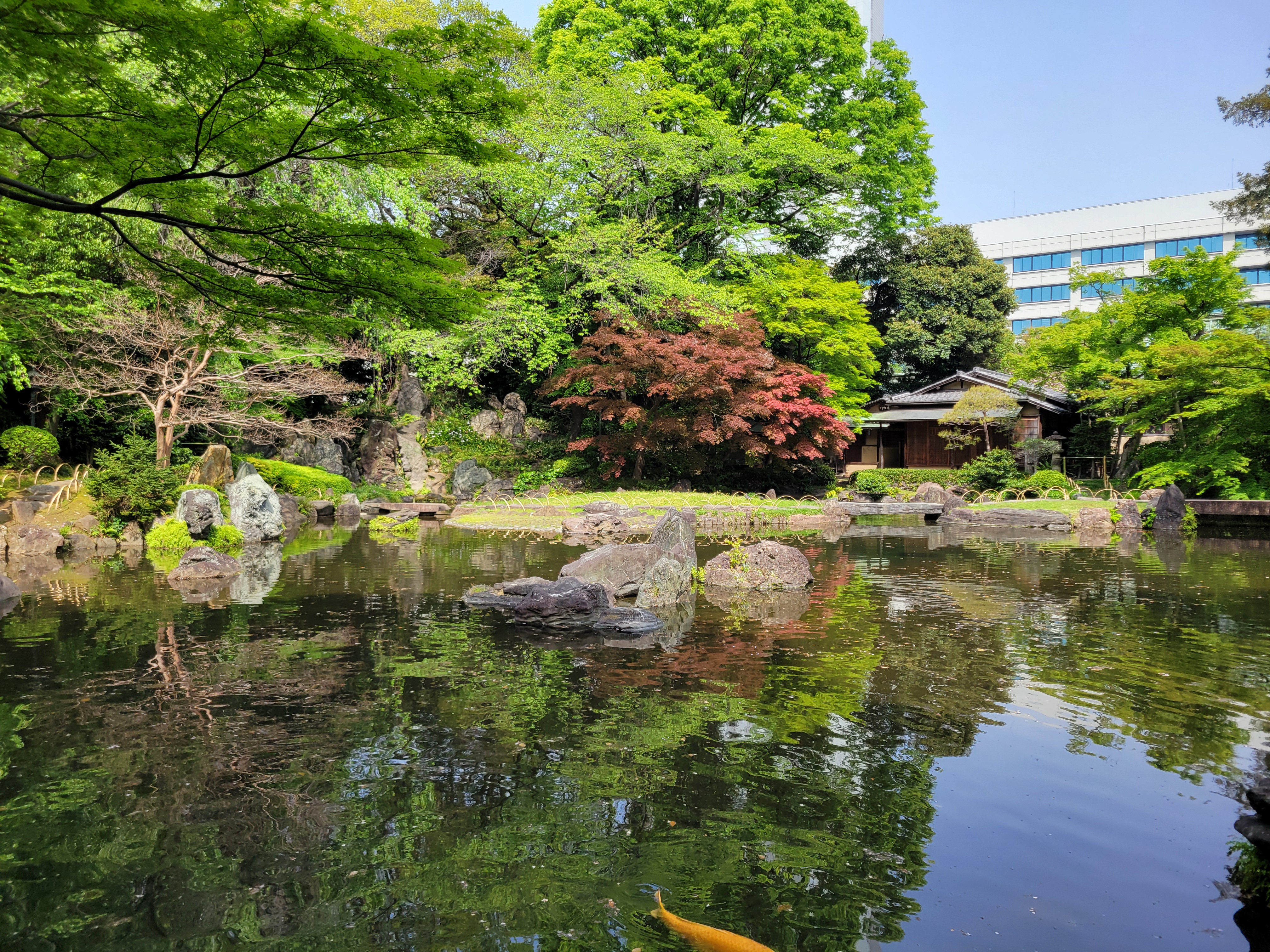
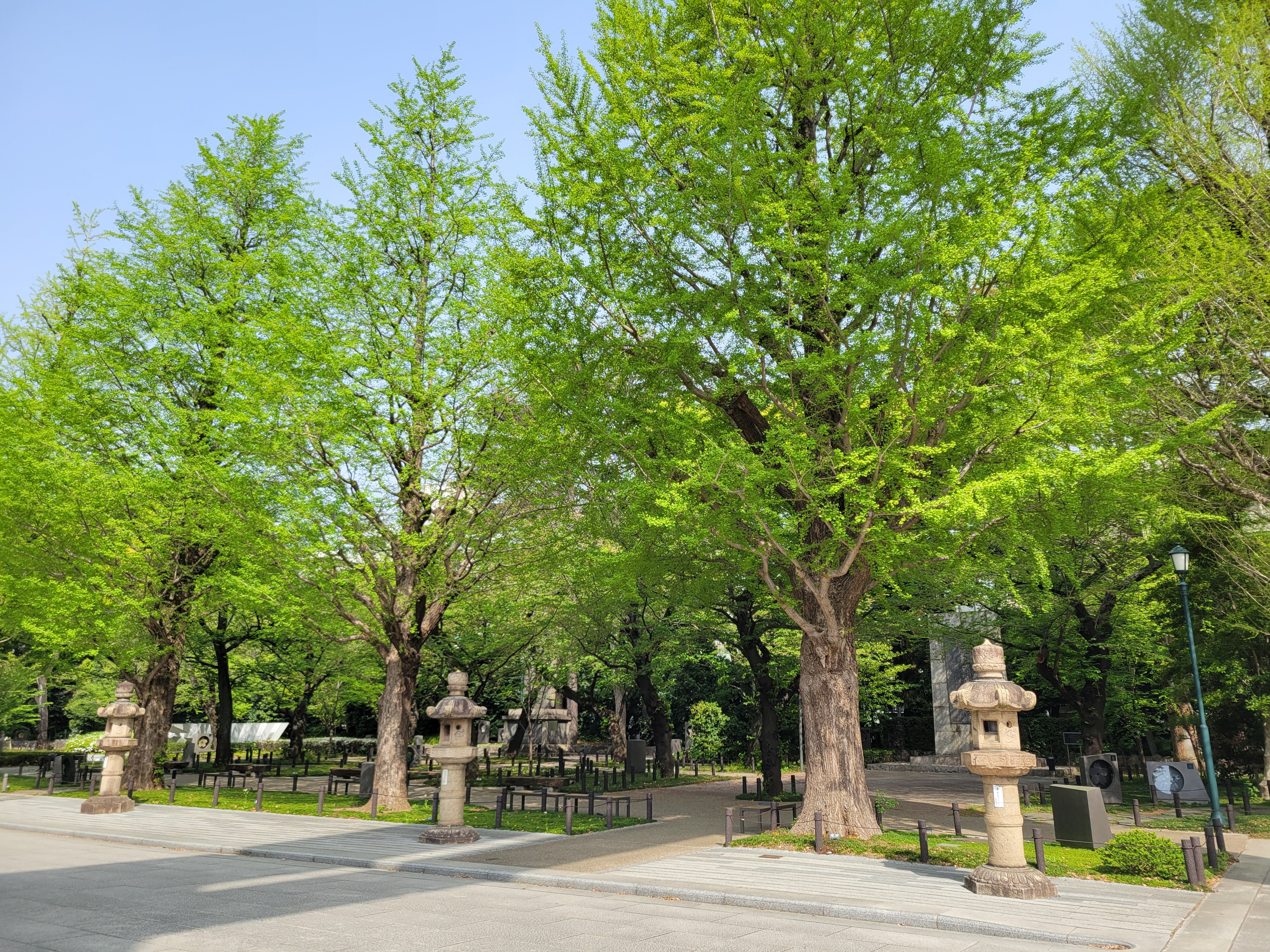
The museum is next to the Yasukuni Shrine, a Shinto shrine. Shintoism is at its core veneration of kami–kind of like deified ghosts of the dead. There are 2.5 million soldiers who have been deified at the shrine, including Class A war criminals. State Shintoism was a big driver of the nationalism of WW2. There has been a separation of religion and state since the 1940s/50s so now the two aren’t necessarily aligned. Actually a big deal is made when a politician comes to the shrine–is he doing it as a representative of the government or as a private citizen? The Yasukuni Shrine is just as controversial as the museum; when you deify war criminals it makes people upset. Despite everything, it was very peaceful there–Tokyo is about as frenetic as it gets–and this place is calm and beautiful.
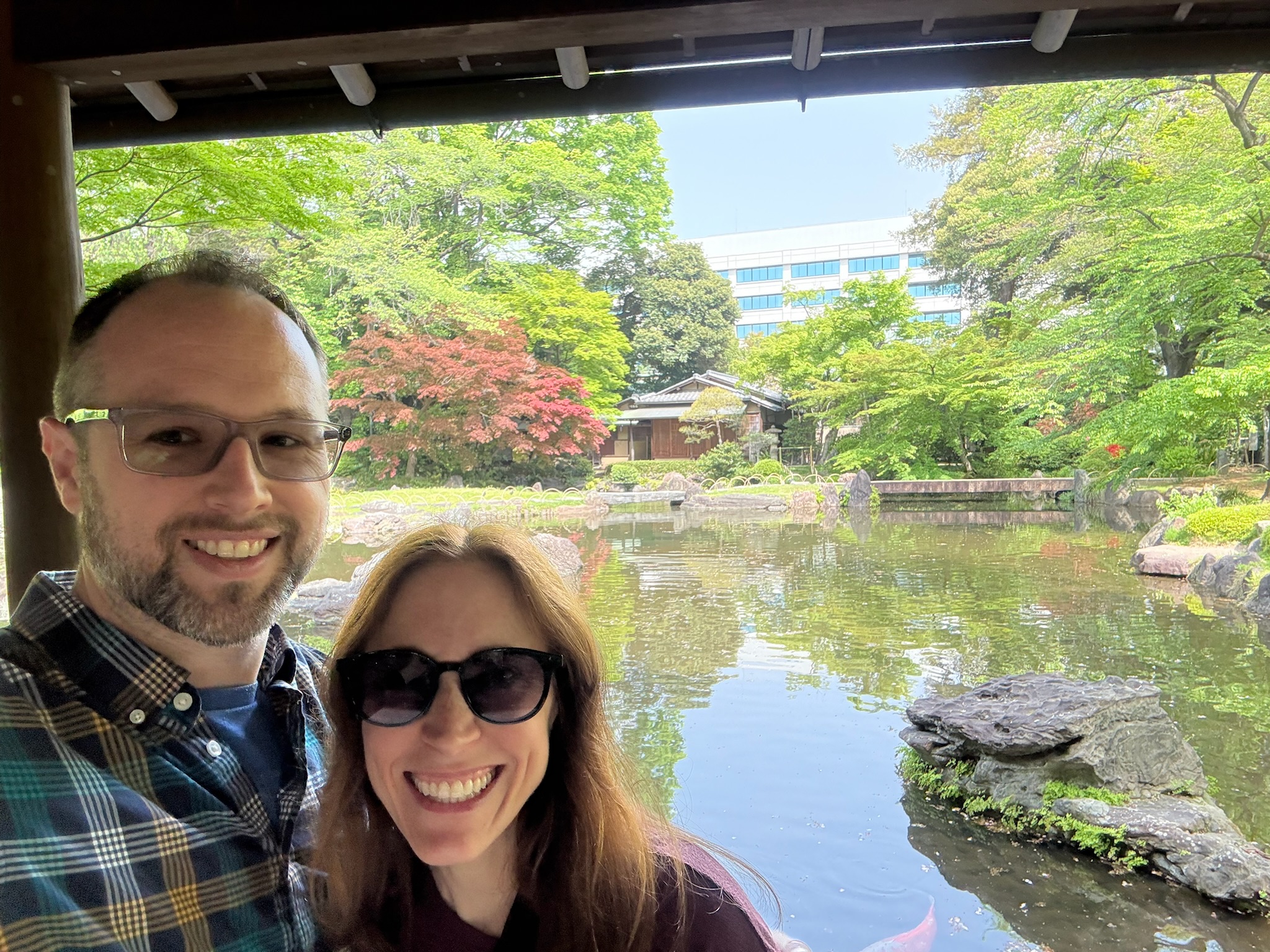
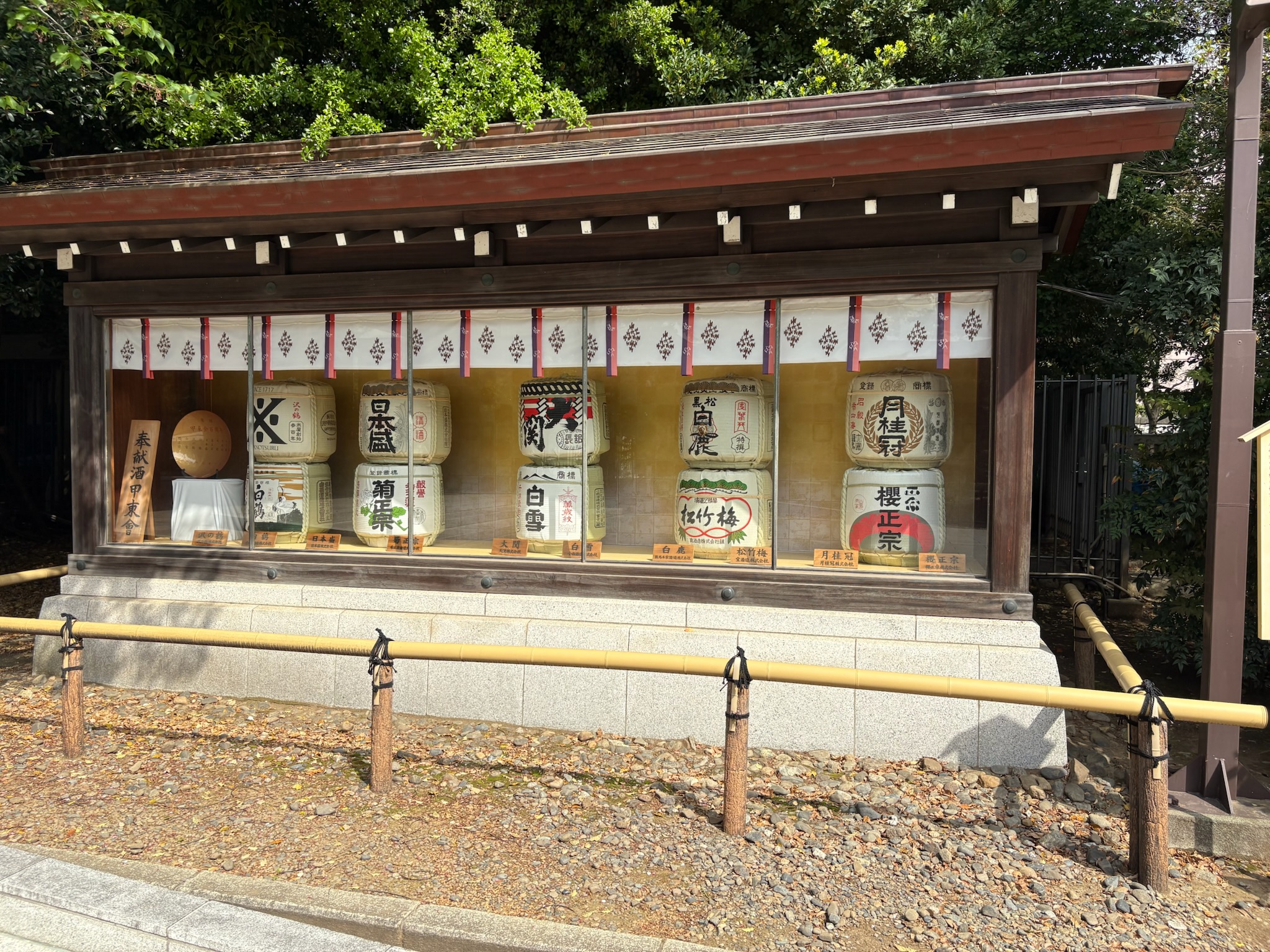
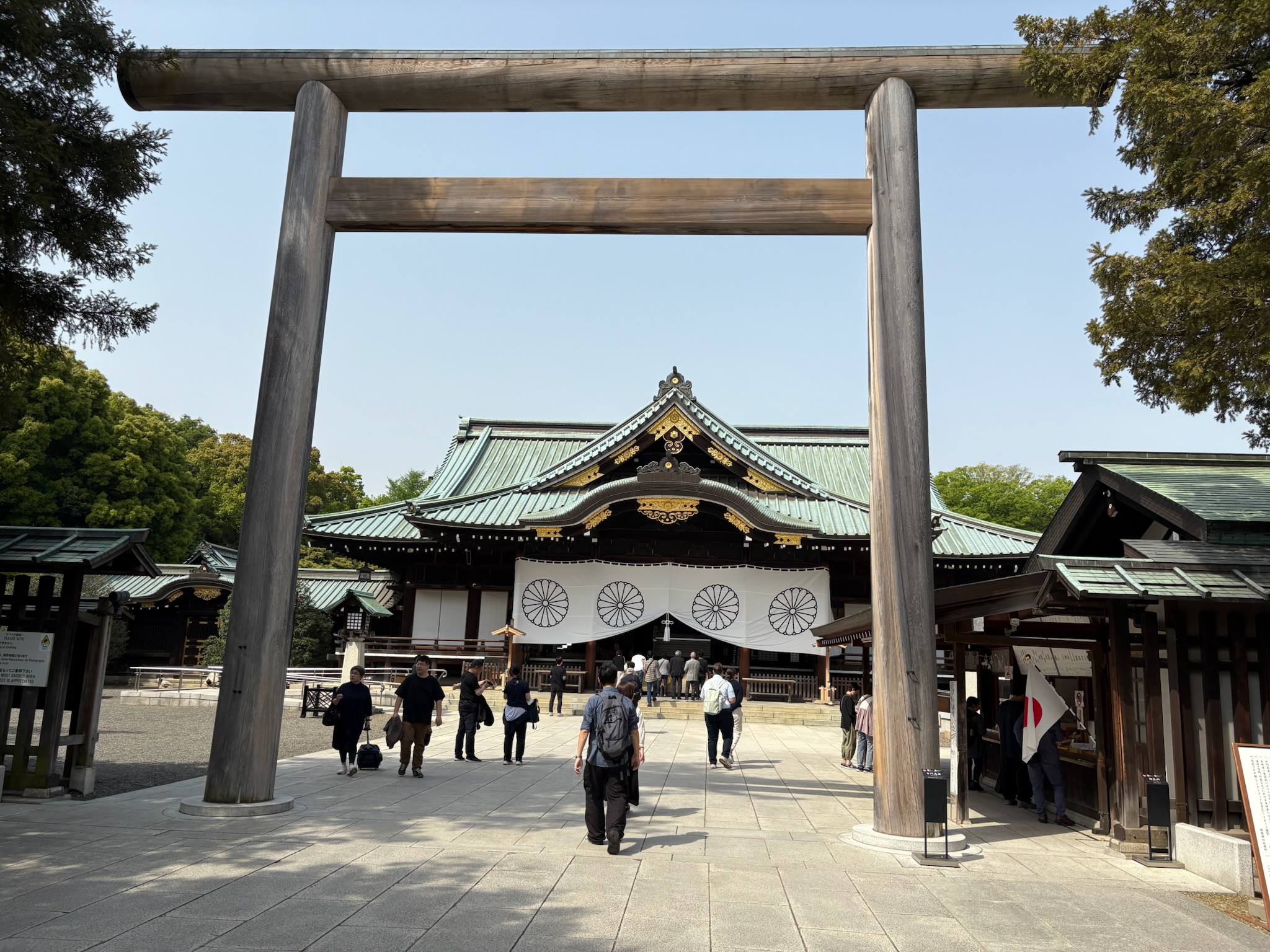
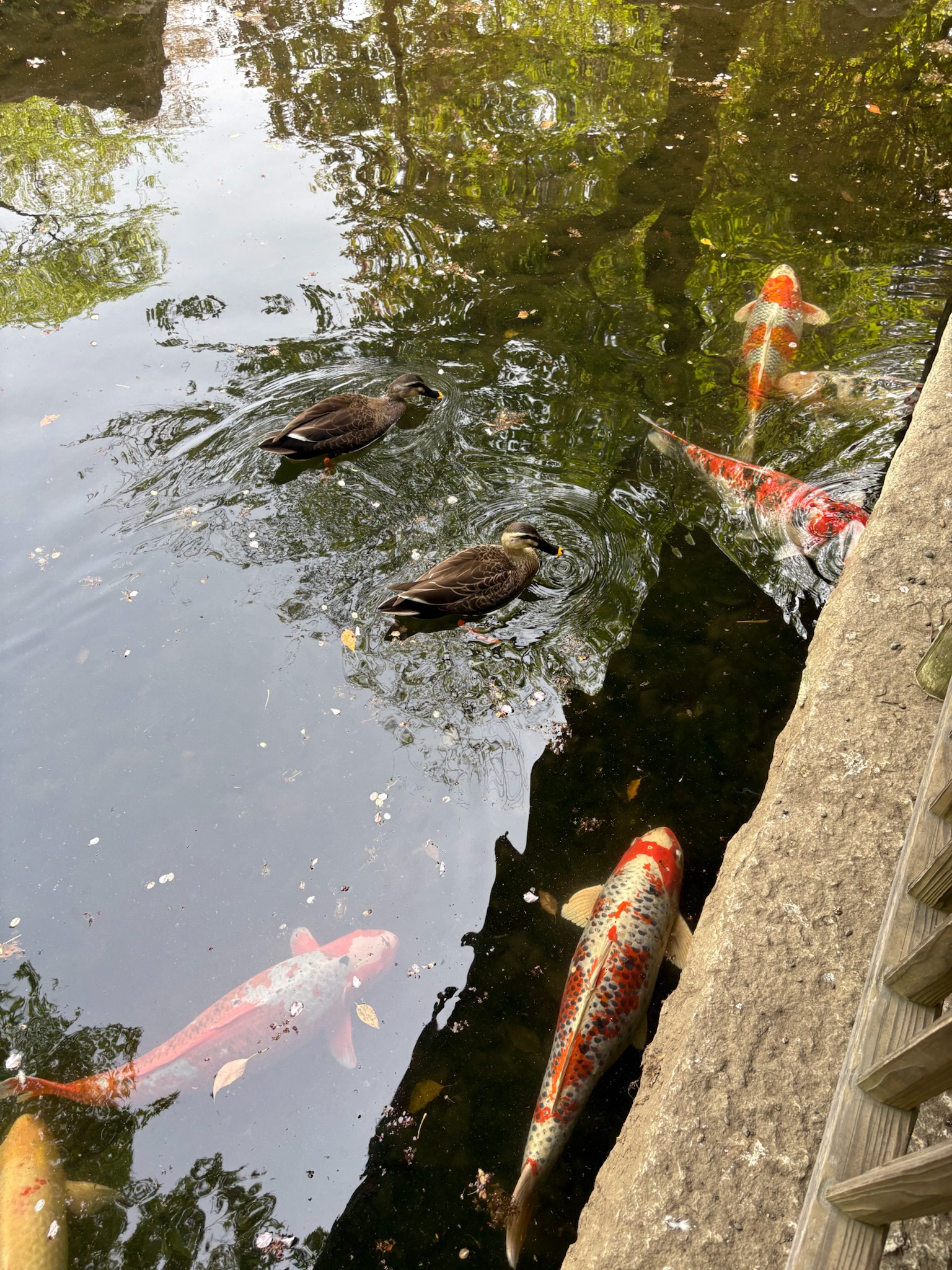
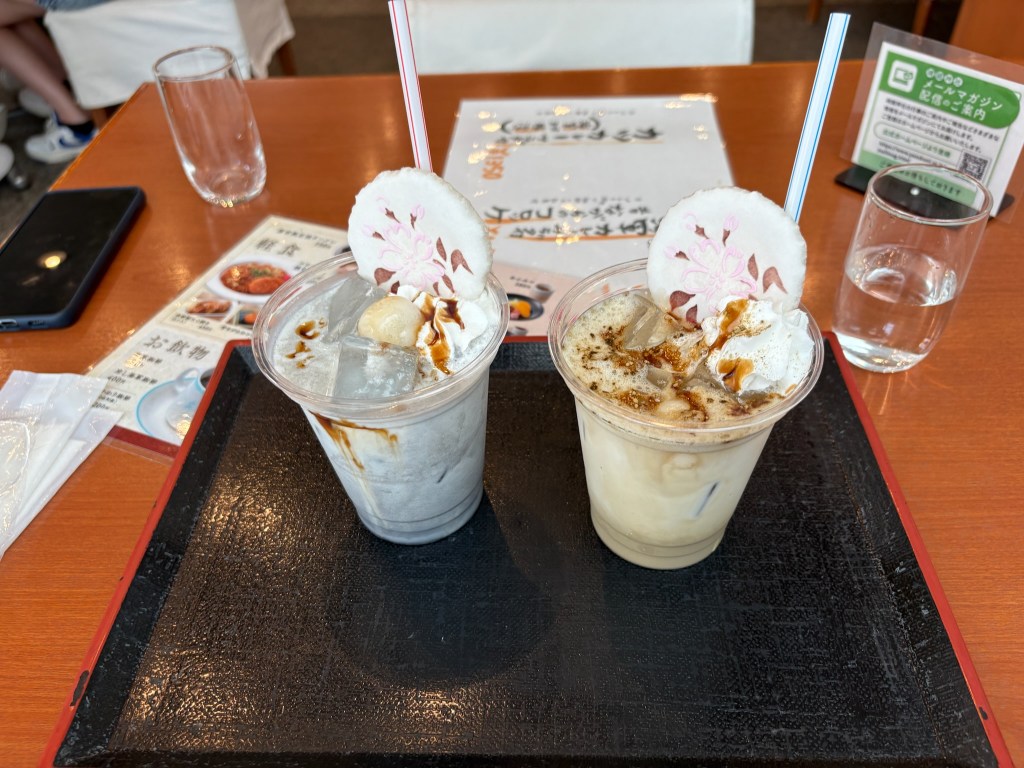
We had some cool lattes–black sesame and roasted green tea. Surprisingly I really love black sesame.
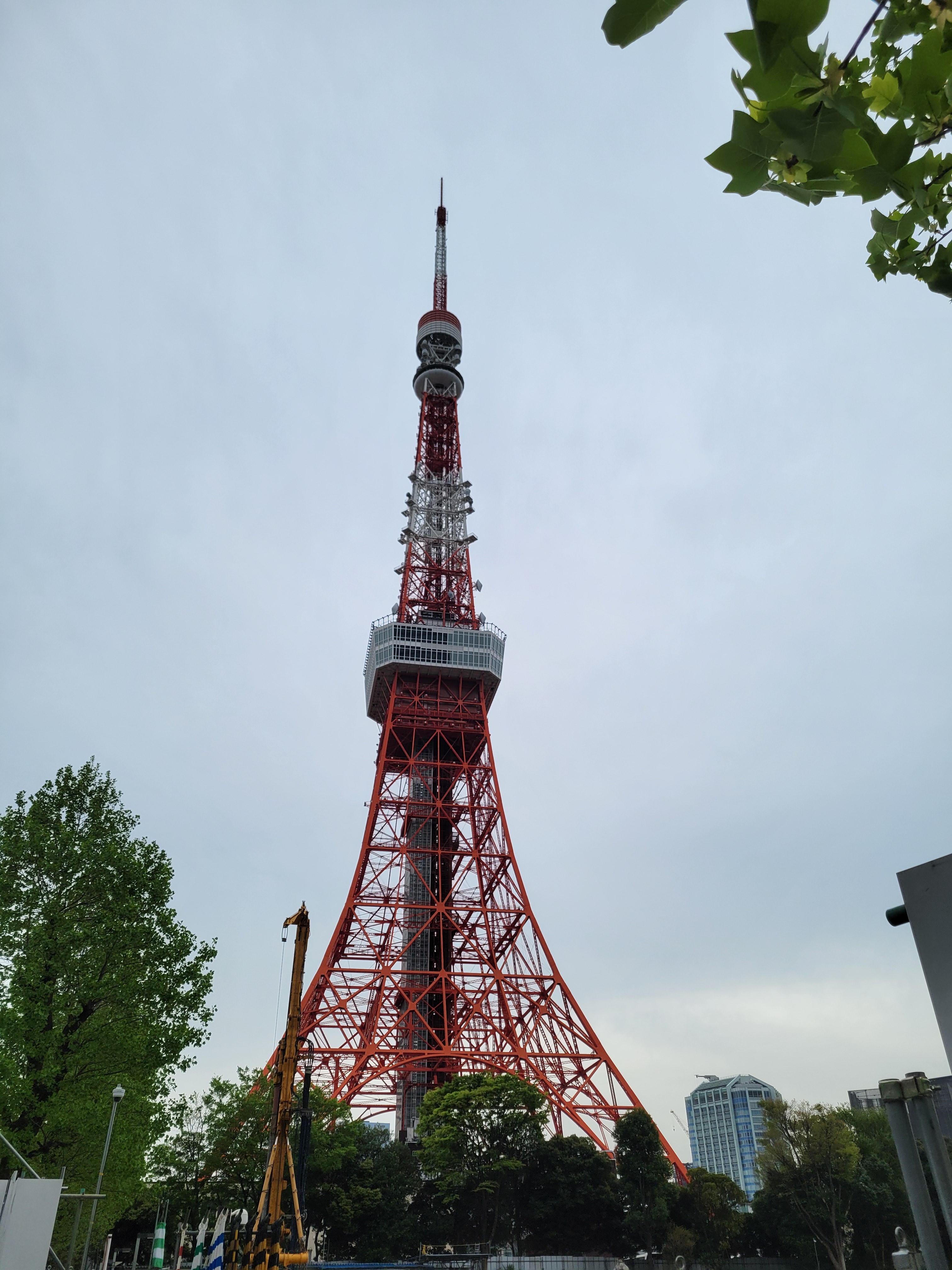
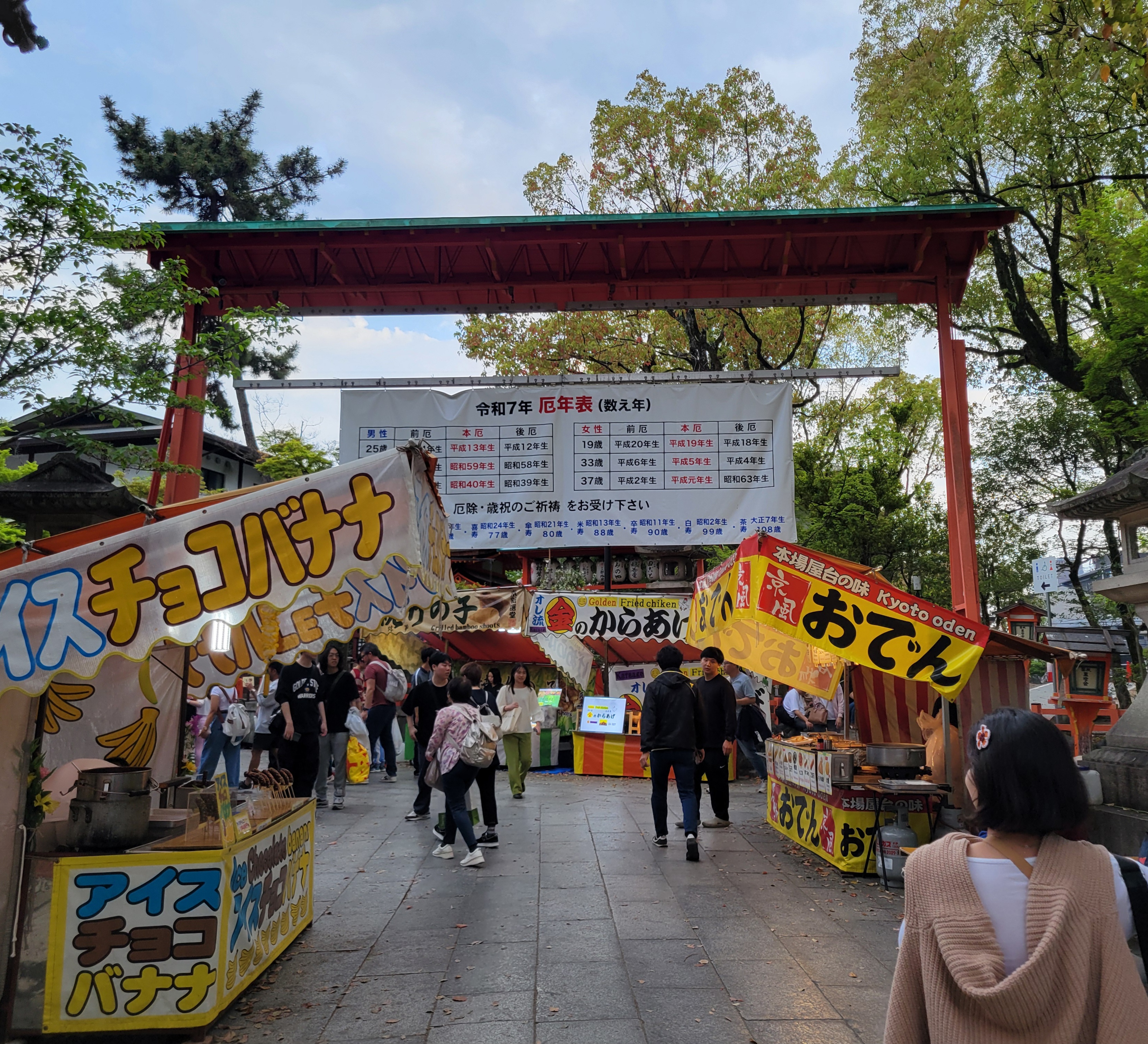
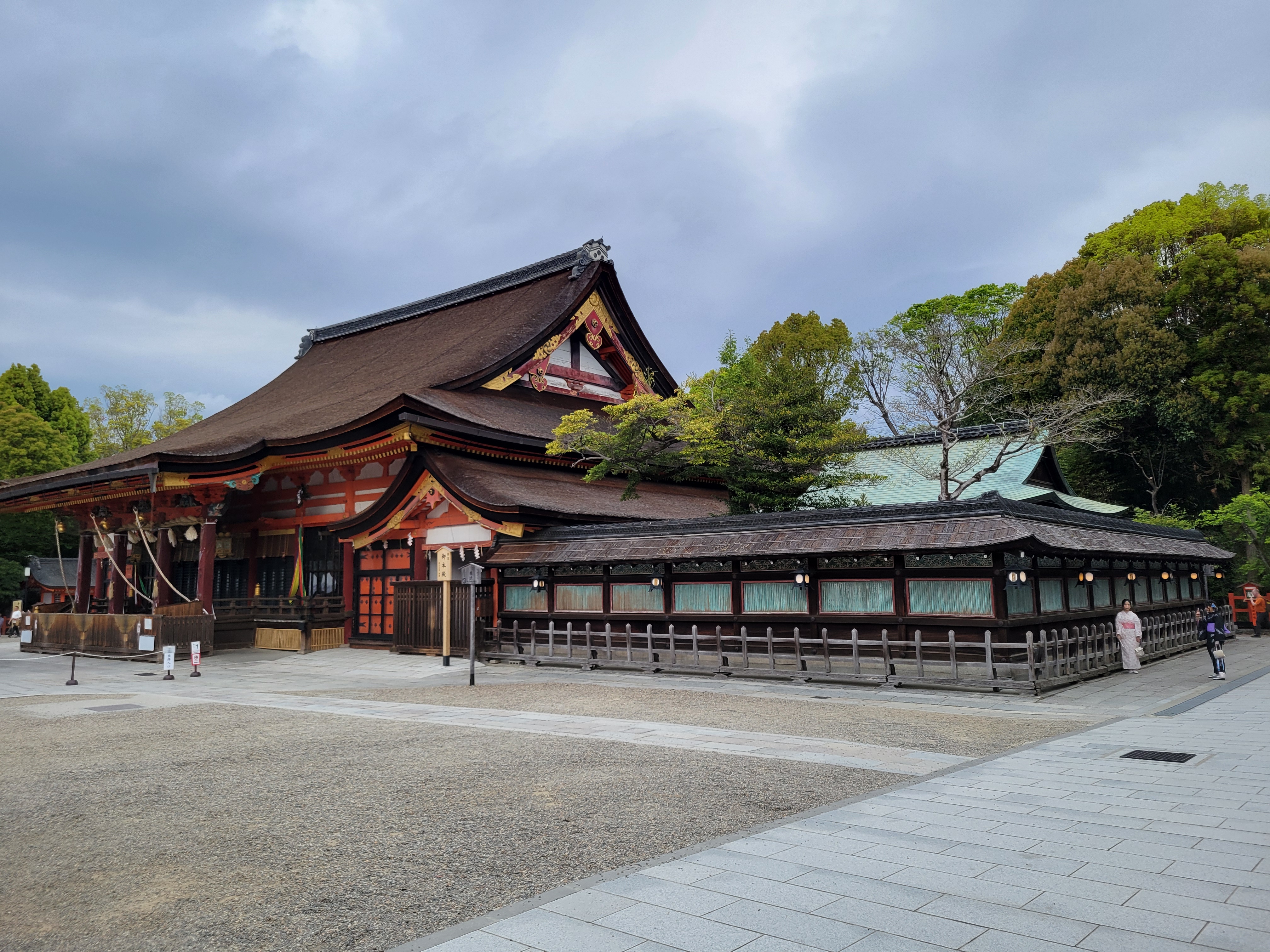
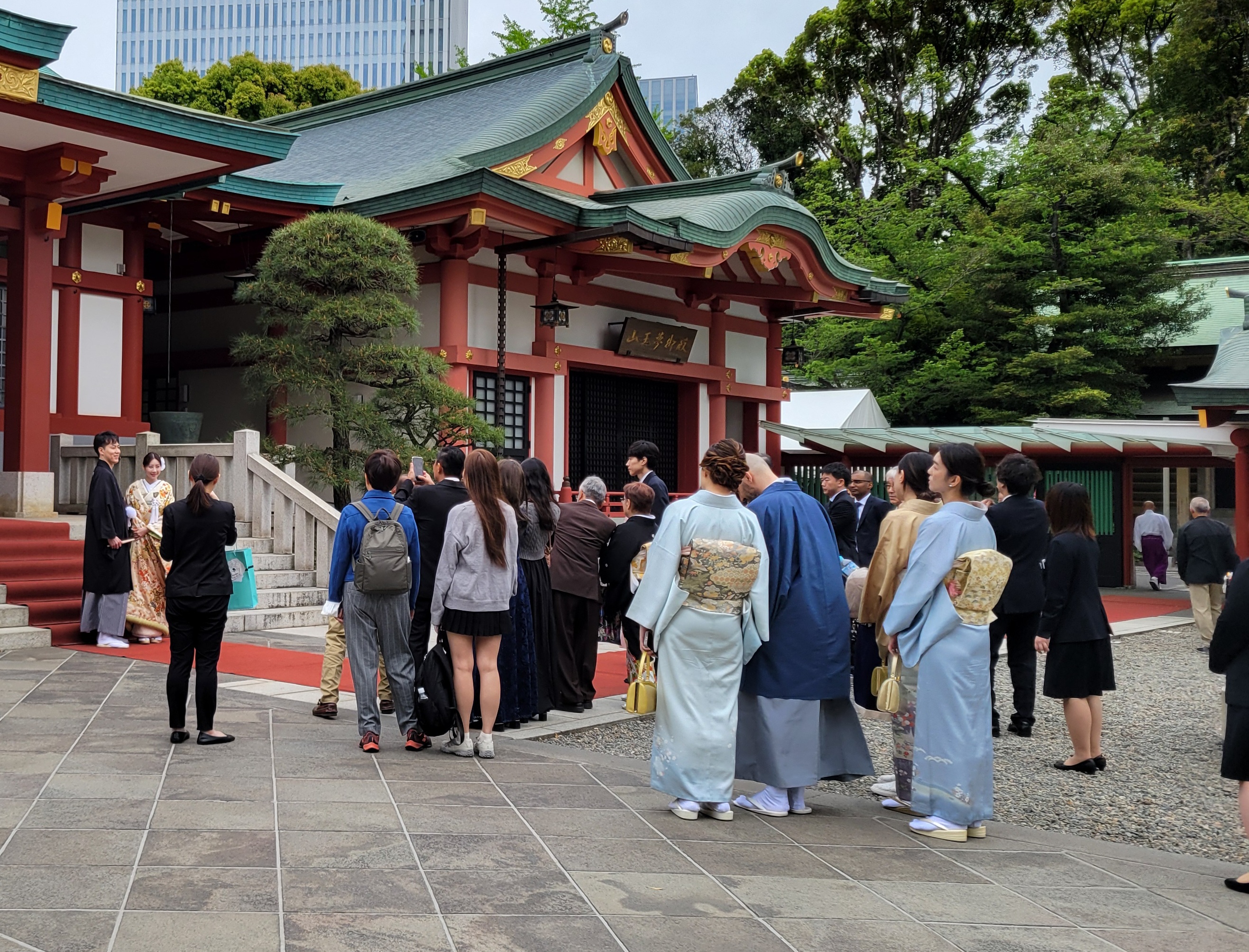
I jogged to Tokyo tower the last day; it’s a symbol of Tokyo so it was a good thing to do, but honestly it was a little underwhelming–it’s hard not to compare it to the Eiffel Tower. Then we went to another Shinto shrine, Hie Shrine. It was a bit commercial as you can see below. Even so there was a wedding or at least wedding photos taking place. It’s always cool to see how rites change from culture to culture. We saw another bride in Tokyo taking pictures and she was wearing the western white dress rather than a kimono like the bride here is.
Thanks for reading!


Kelly, Thank YOU
LikeLike