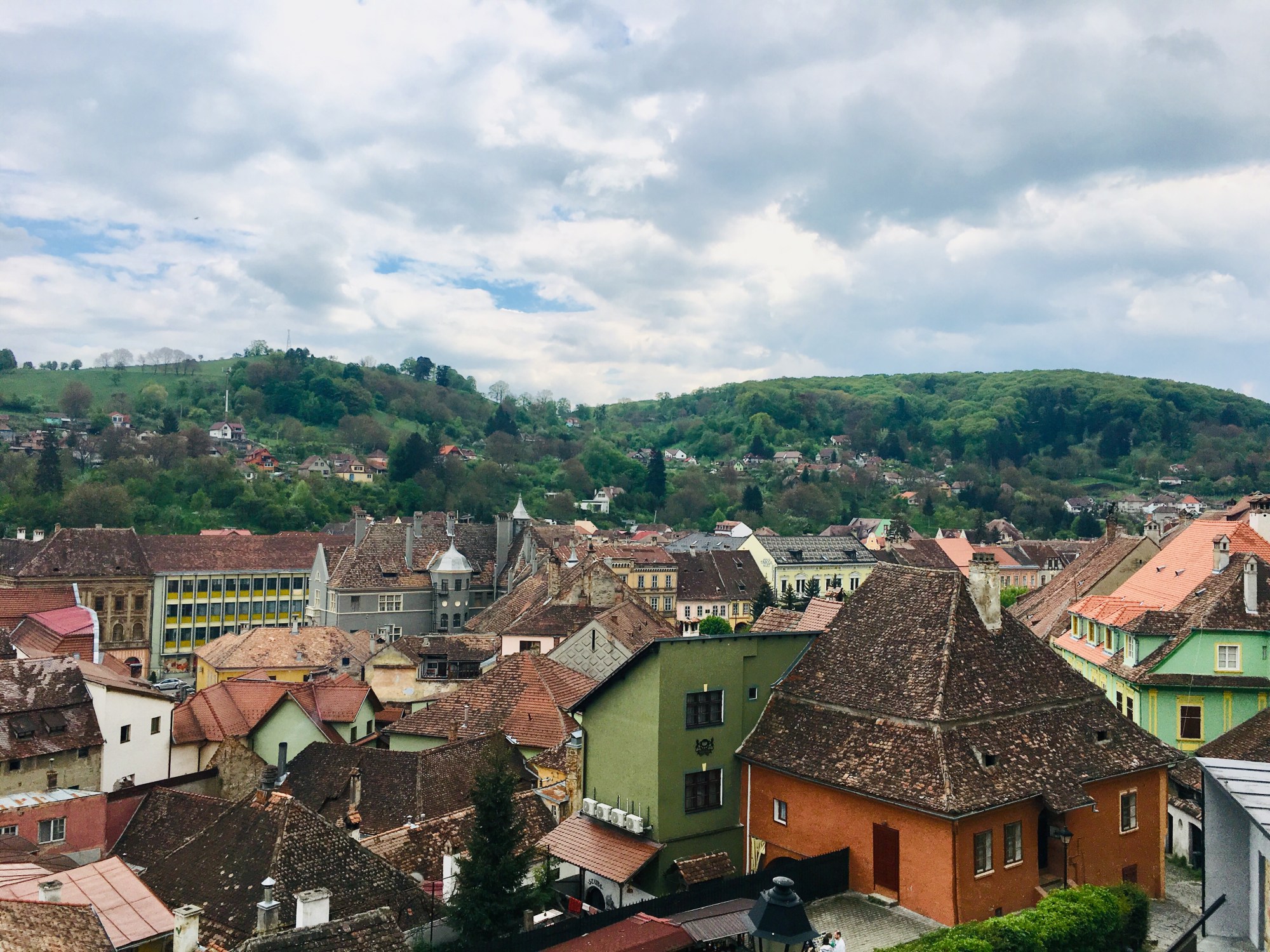
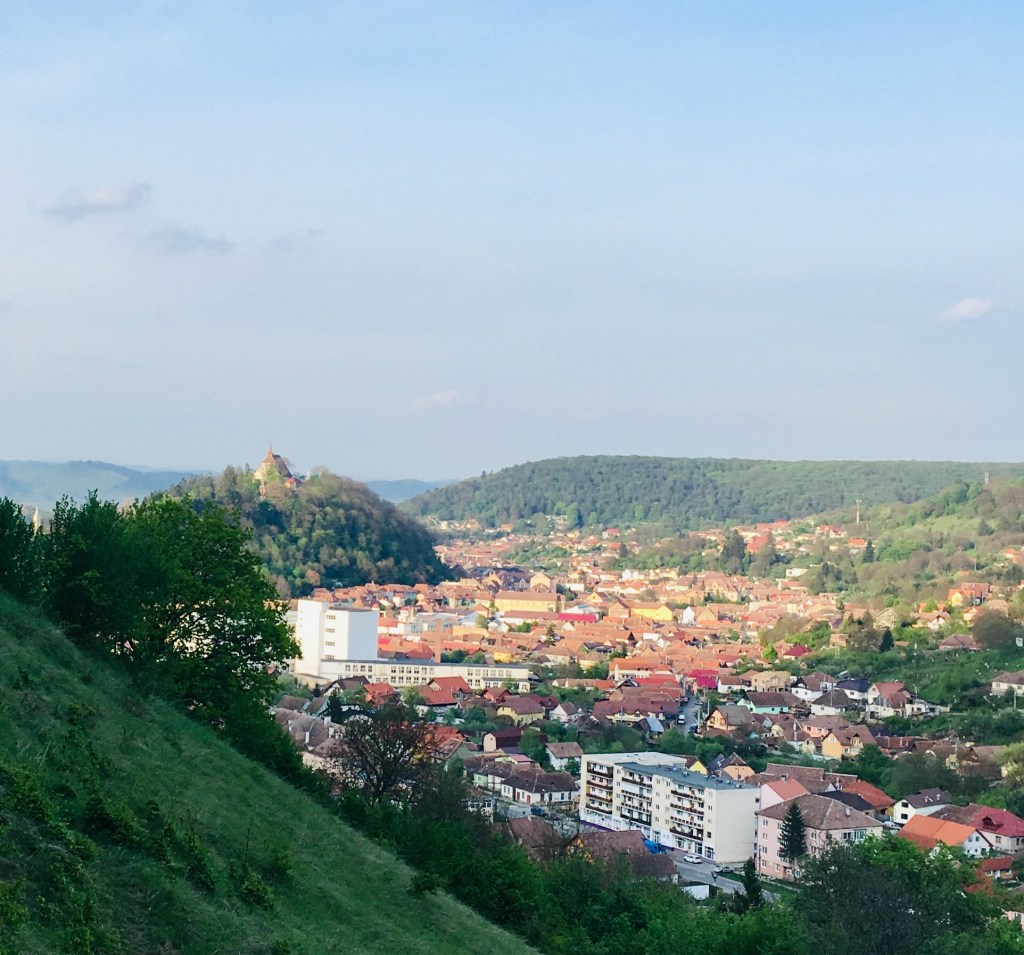
We’ve spent the last week or so in two very different parts of Romania–rural Sighișoara and big city Bucharest. Bucharest has its charms, but we really love the countryside and the mountains here.
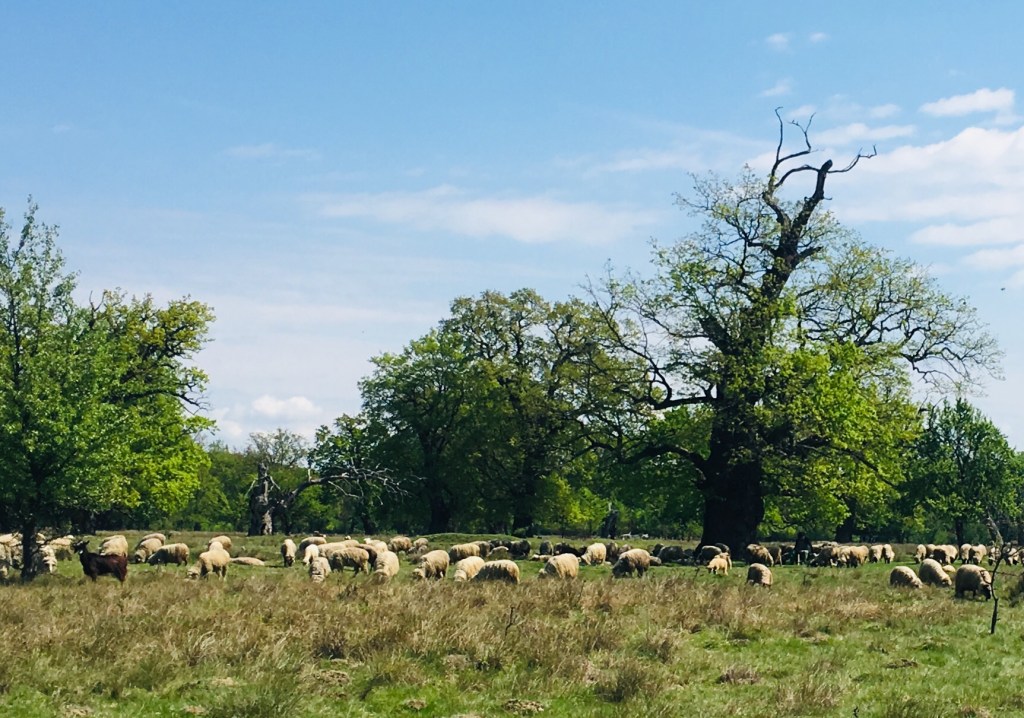
In Sighișoara, we hiked everyday for hours through the woods and hills, past herds of sheep and huge stands of oak trees. The trails were almost entirely deserted, making me feel like we were alone on a journey to get a special sword to save the world. Or something.
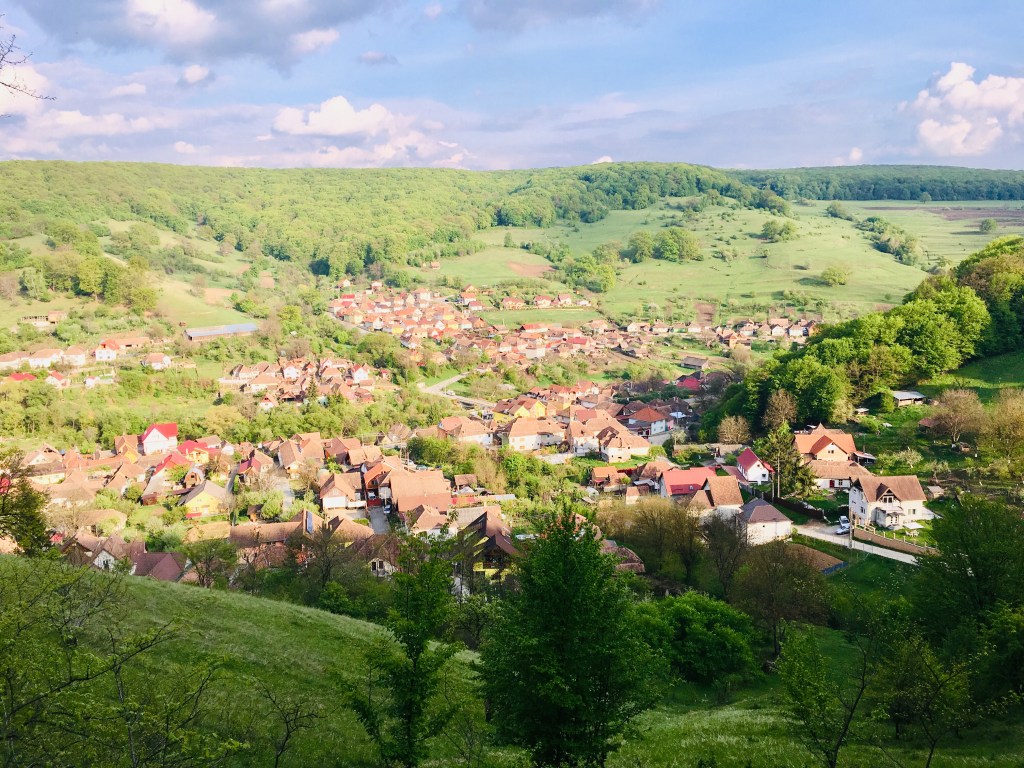
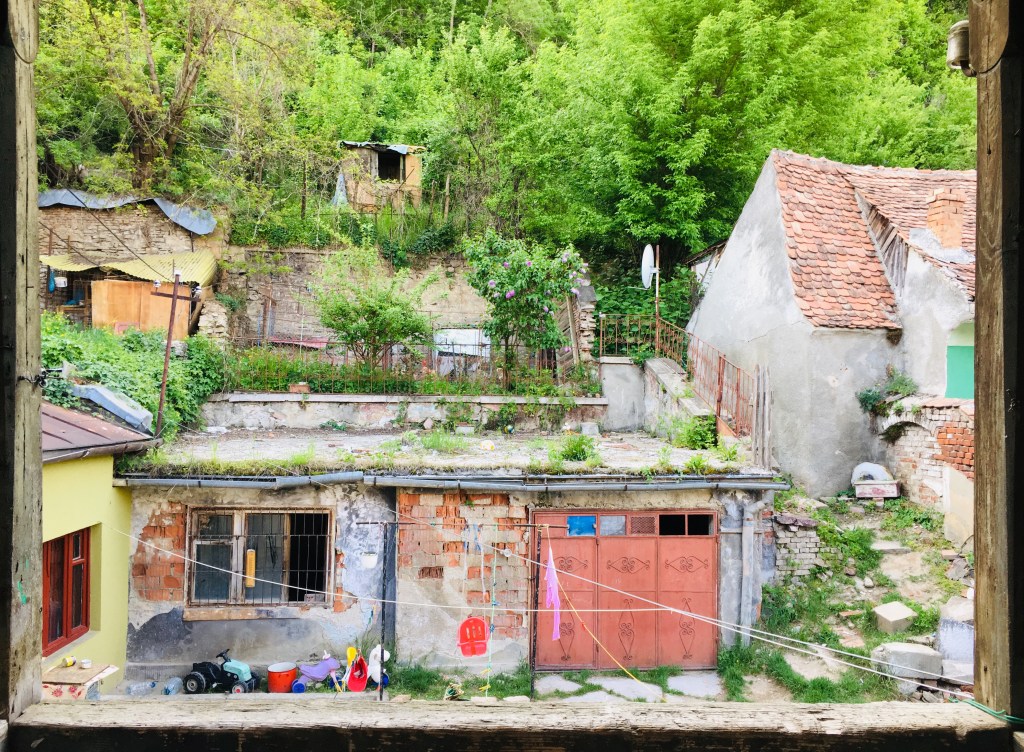
We stayed in an apartment in a building that was entirely deserted. Everyone in it had either left to go to the cities or had died, leaving an empty building behind. It would have been creepy; I actually kind of wanted it to be (Sighișoara is, after all, the birthplace of Dracula), but it was so noisy! There were so many farm animals in the vicinity and they were making a ruckus all the time. It’s hard to be afraid with sheep baa-ing and roosters crowing. This picture is of the back of our apartment building. Things are slowing falling apart, but in the springtime, everything looks pleasant.
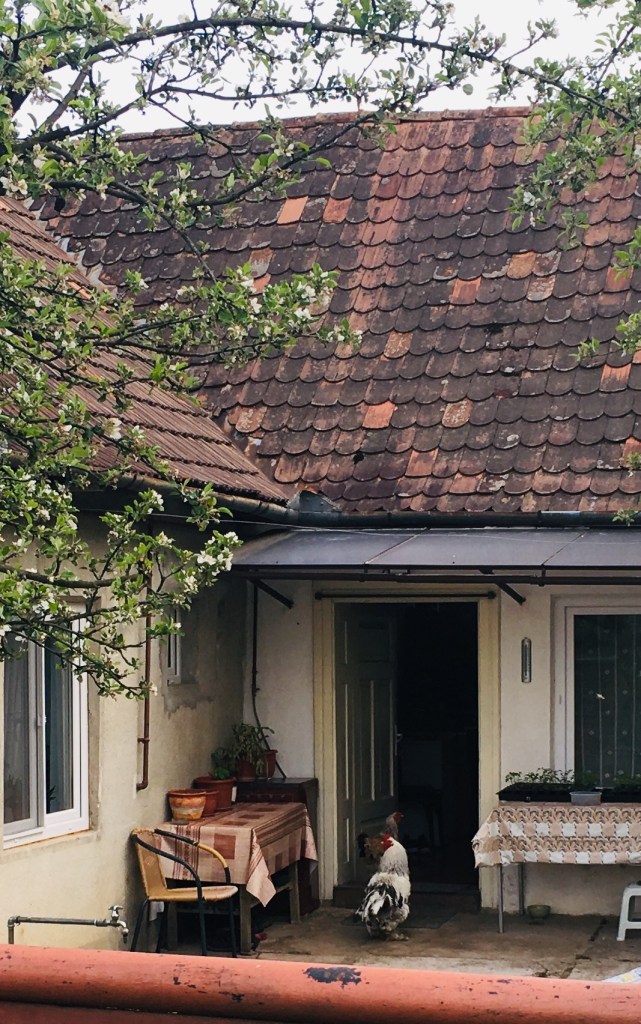
I debated whether anyone would care about this, but look at this rooster! He is literally the largest rooster I have ever seen. I wouldn’t be surprised if the deed to the house is actually in his name.
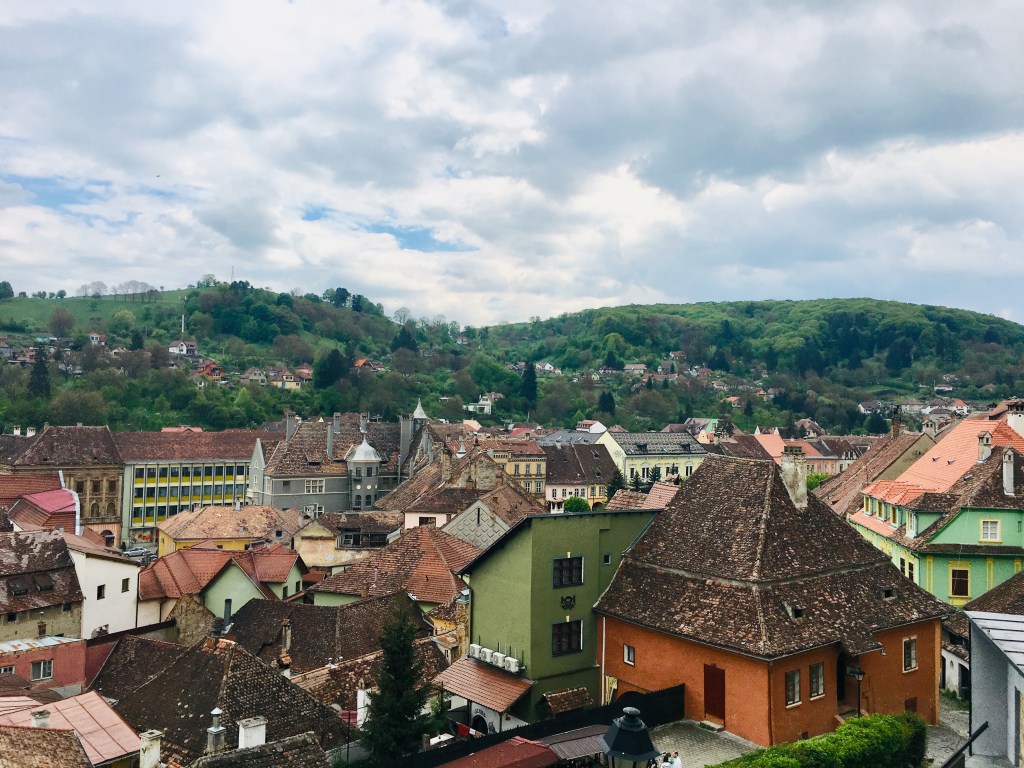
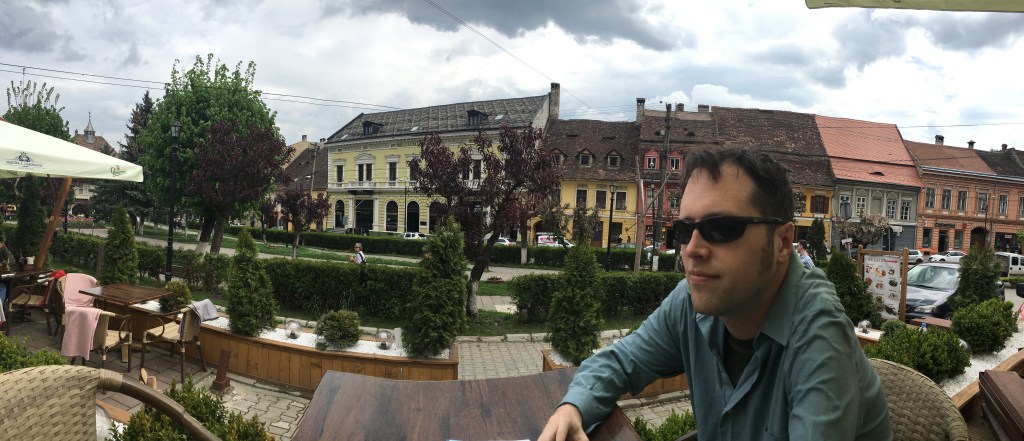
There was a pleasant central square to eat in, an old wall, and a bunch of medieval towers. I think the whole town might be a UNESCO world heritage site.
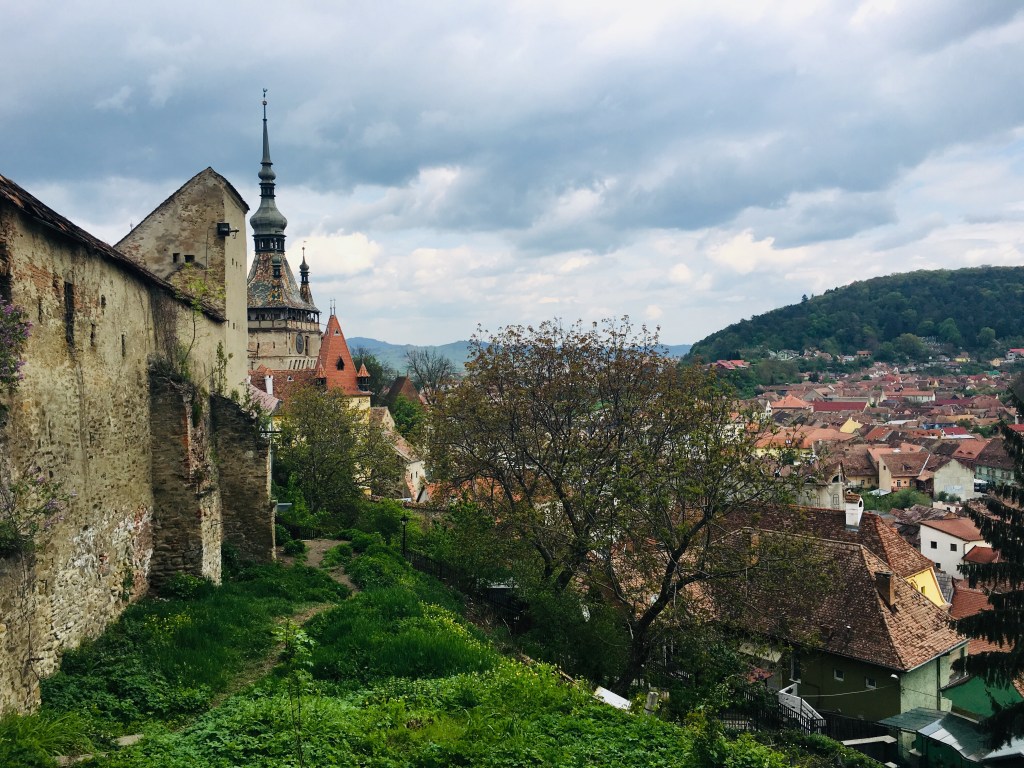
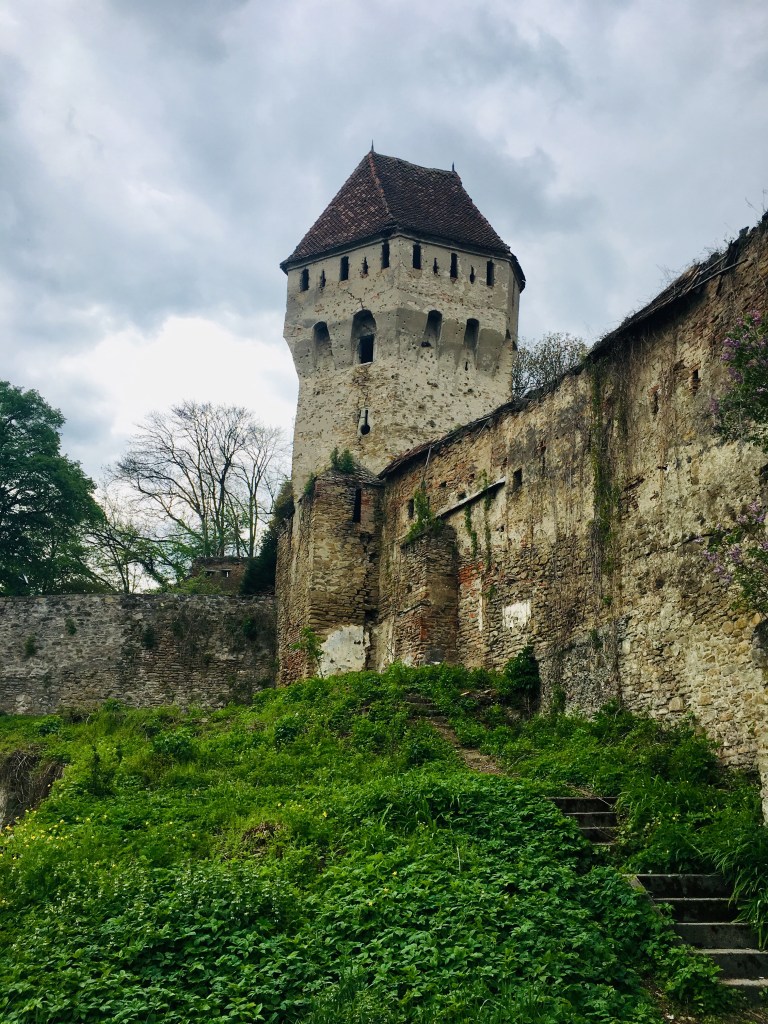
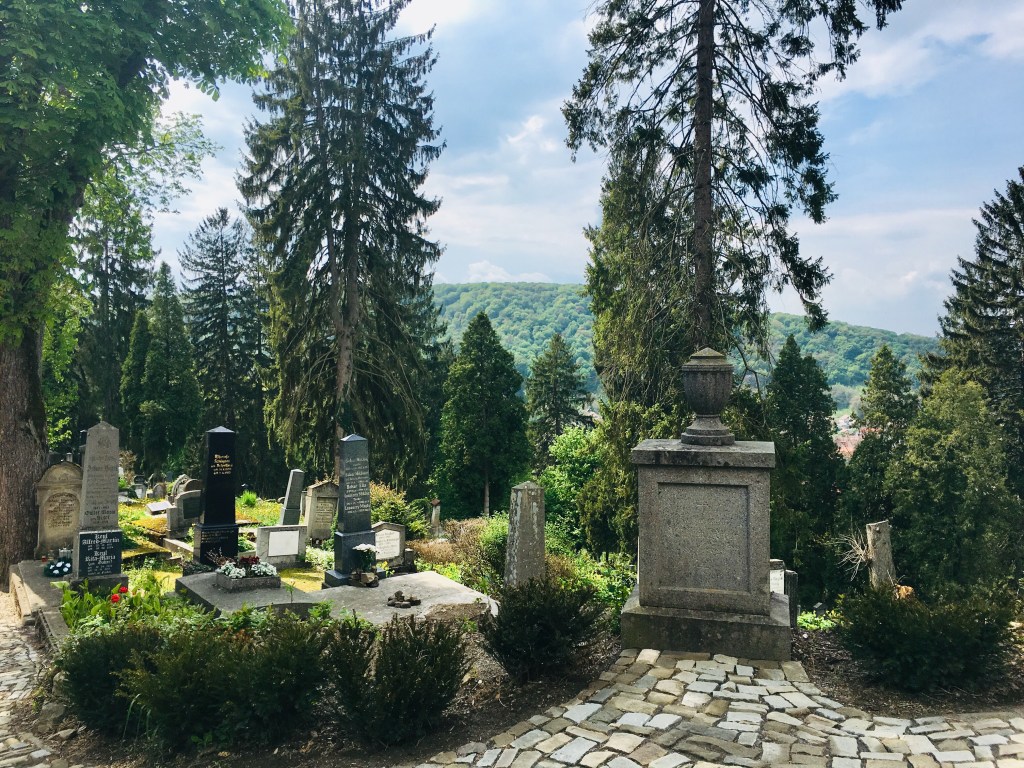
The train ride to Bucharest was over 6 hours which we decided is a little long for us. And trains in Romania are not the cushy, quiet trains of Germany or France. The day was a bit arduous.
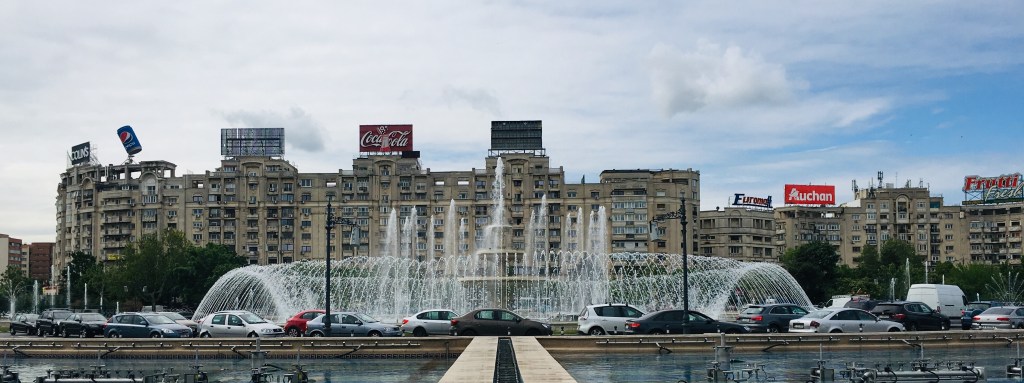
Bucharest is nice. Like all former communist countries, it’s got it’s share of Large Concrete Structures. The communists really loved their concrete. The fountain and apartment buildings below were created in the 1980s by bulldozing medieval buildings and homes. The square, now called Piața Unirii, is huge and takes up about 1/5 of the city.
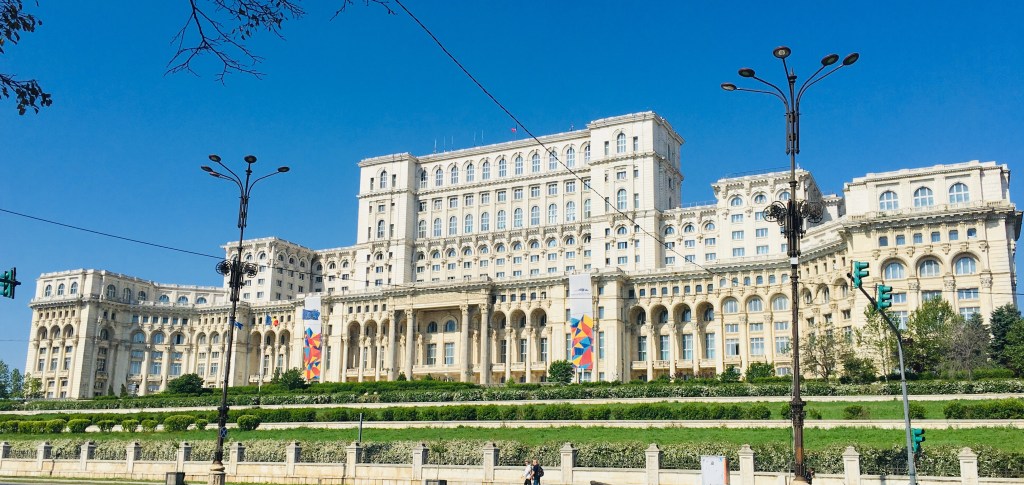
Also created in the 80s and 90s, the Palace of Parliament here is the second largest building in the world after the Pentagon; it’s also the heaviest building in the world with a crazy substructure that’s much larger than the footprint of the building itself. Because the building is so big, it takes 6 million dollars a year to provide electricity to it and only 30% of it is actually in use. We couldn’t go in because the EU is using it as its headquarters right now.
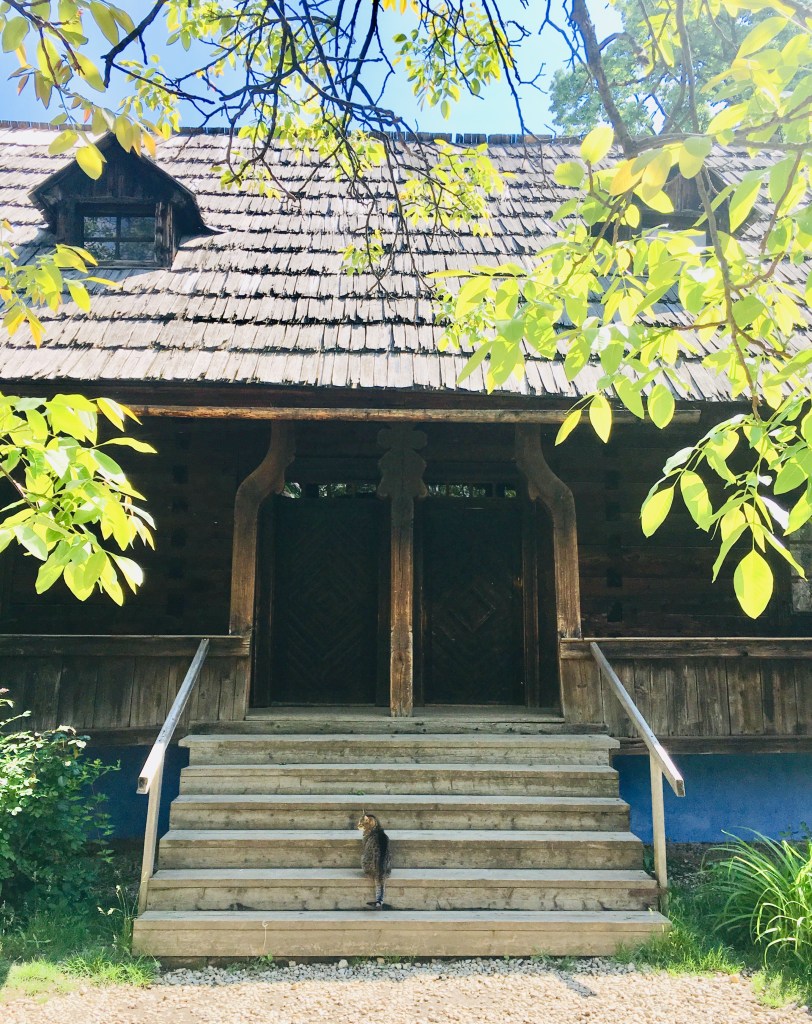
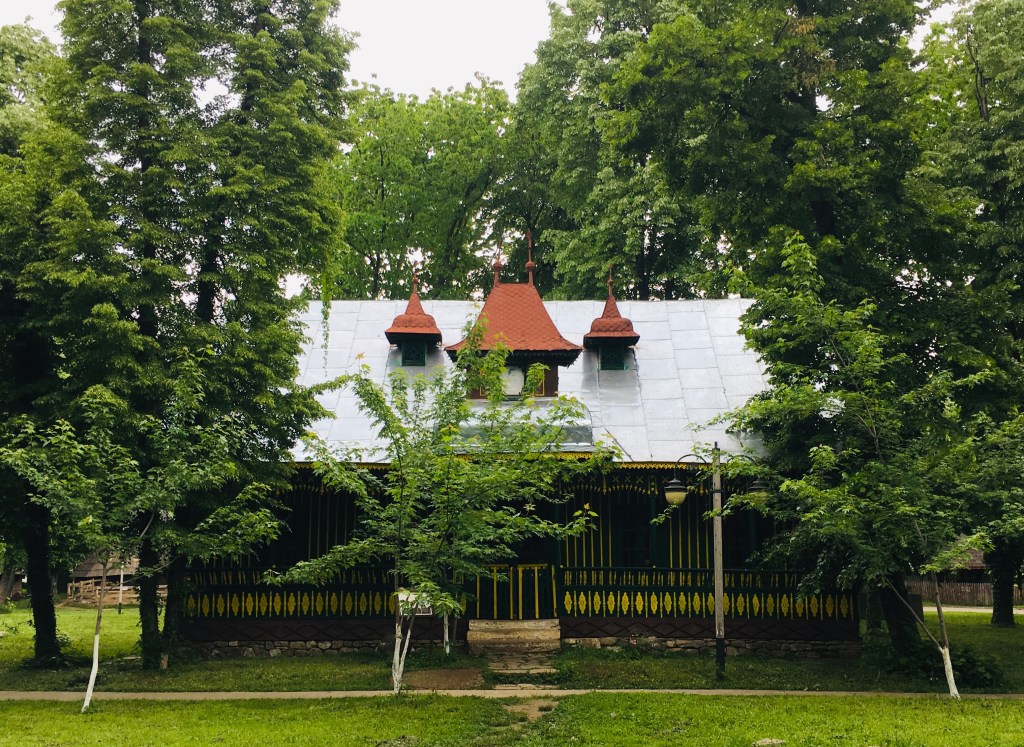
Yesterday we went to the Romanian Village Museum. This type of outdoor museum is popping up all over Europe. I think this is our fourth one; we’ve visited others in Stockholm, Oslo, and Cardiff. The museums have old timey buildings that have been preserved and they usually are in lovely settings with trees and water. I think this one also doubled as a cat sanctuary because the place was hoppin’ with kitties.
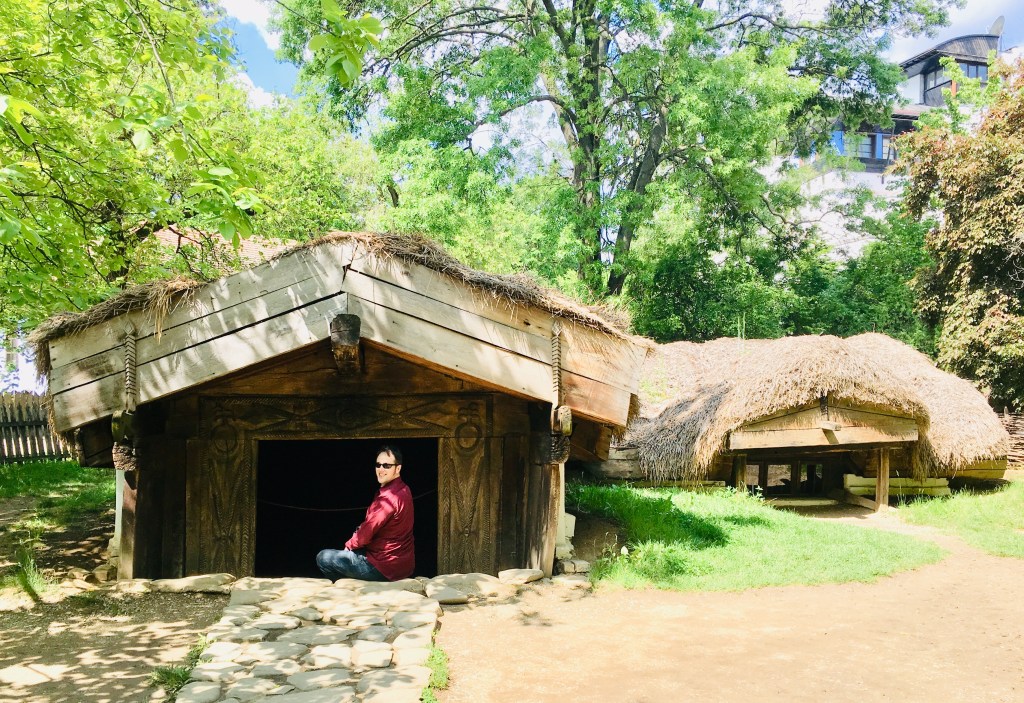
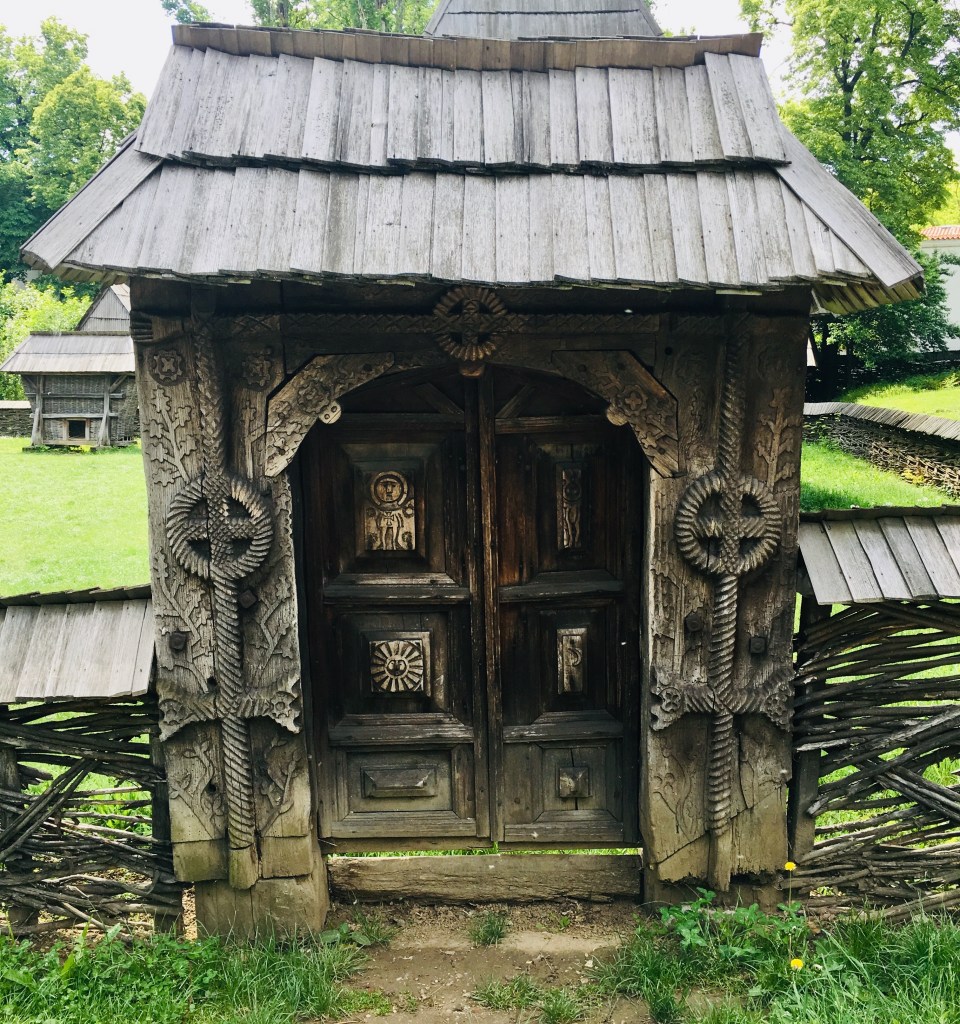
I bet some of the symbols below are pagan. I think the people were trying to get protection from whomever or whatever they could.
A honest-to-good dance hall with a tin roof. I wondered if they’ve ever played “Love Shack” in it.
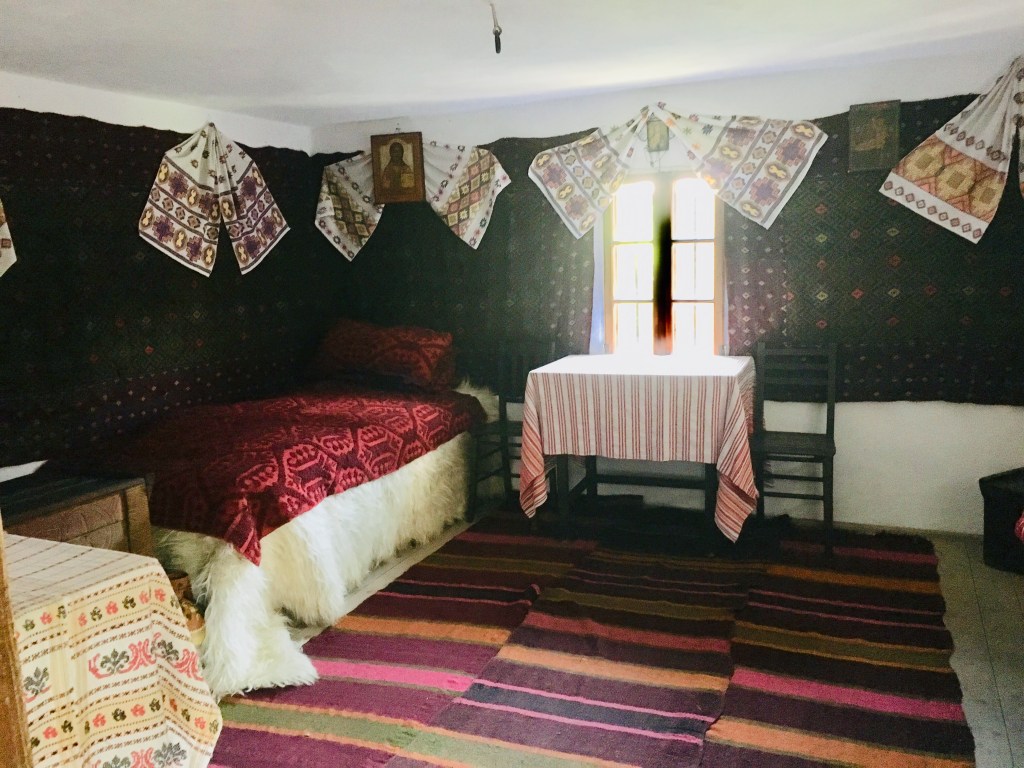
Romanian women must have spent all their time weaving. Everything is covered in woven materials–the floor, the walls, the furniture.
—
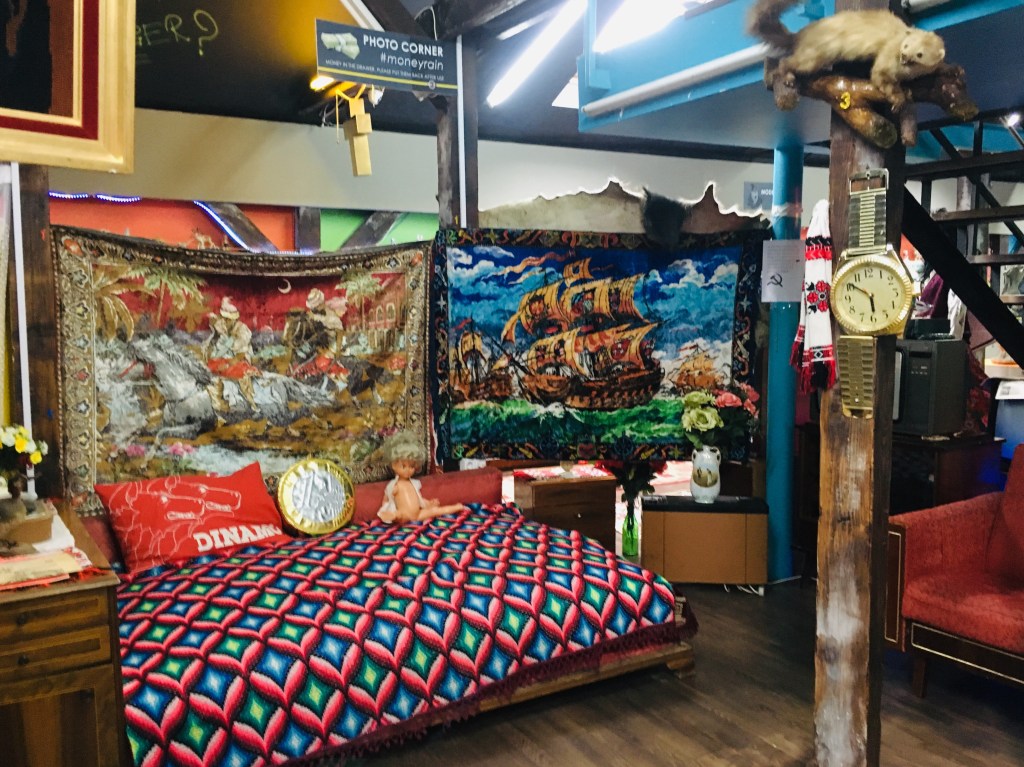
I like to frequent small museums because they have so much personality and are often labors of love or obsession. Here in Bucharest, one such museum is the “Romanian Kitsch Museum.” I hadn’t really thought much about the term “kitsch” before.
Here’s an example bedroom that, according to the museum, embodies “Romanian Kitsch.” Note the stuffed shrew or marmot on the upper right, the gold watch clock, the bright, clashing colors, and the wall hangings. You can also compare it to the traditional bedroom above as seen in the Village Museum.
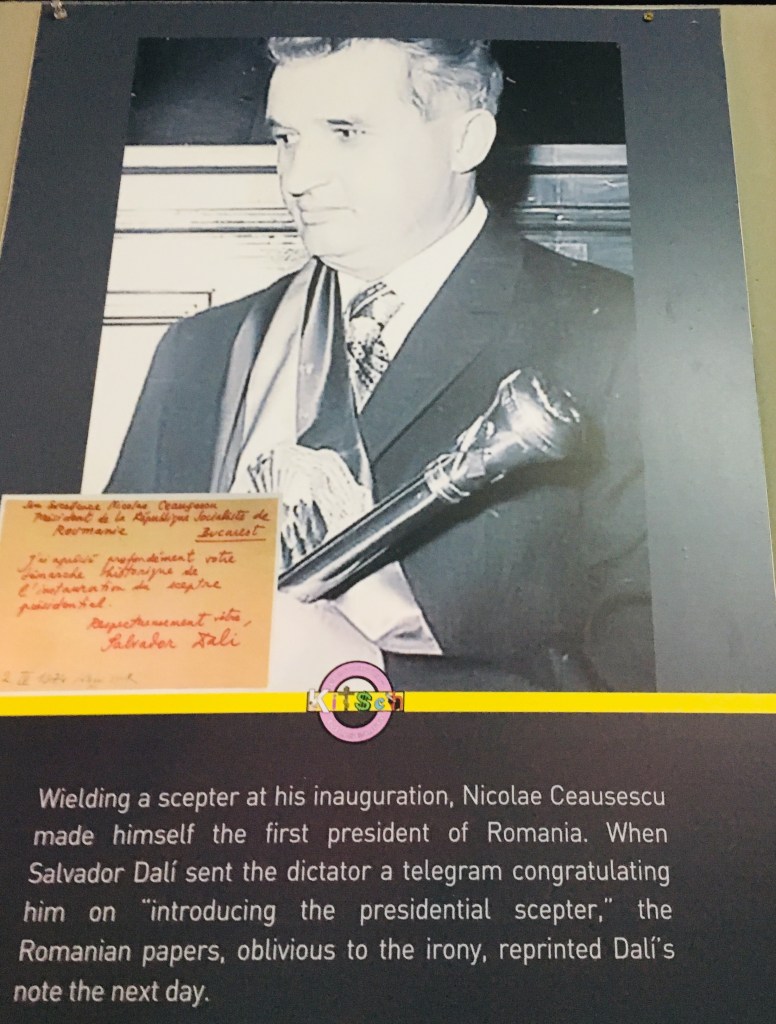
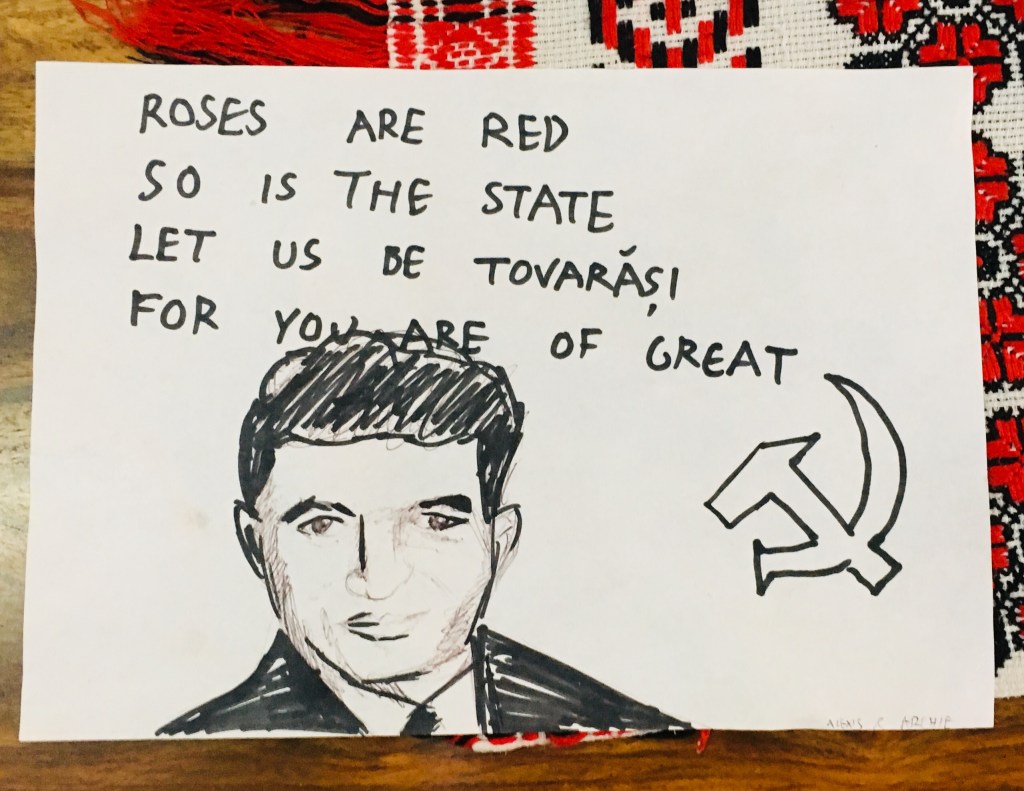
According to the museum, their communist dictator, Nicolae Ceausescu, also embodied kitsch. Here he is bein’ real kitsch with his presidential scepter. Scepters are a bit much.
I just liked the following pictures. Tovarasi means “comrades.”
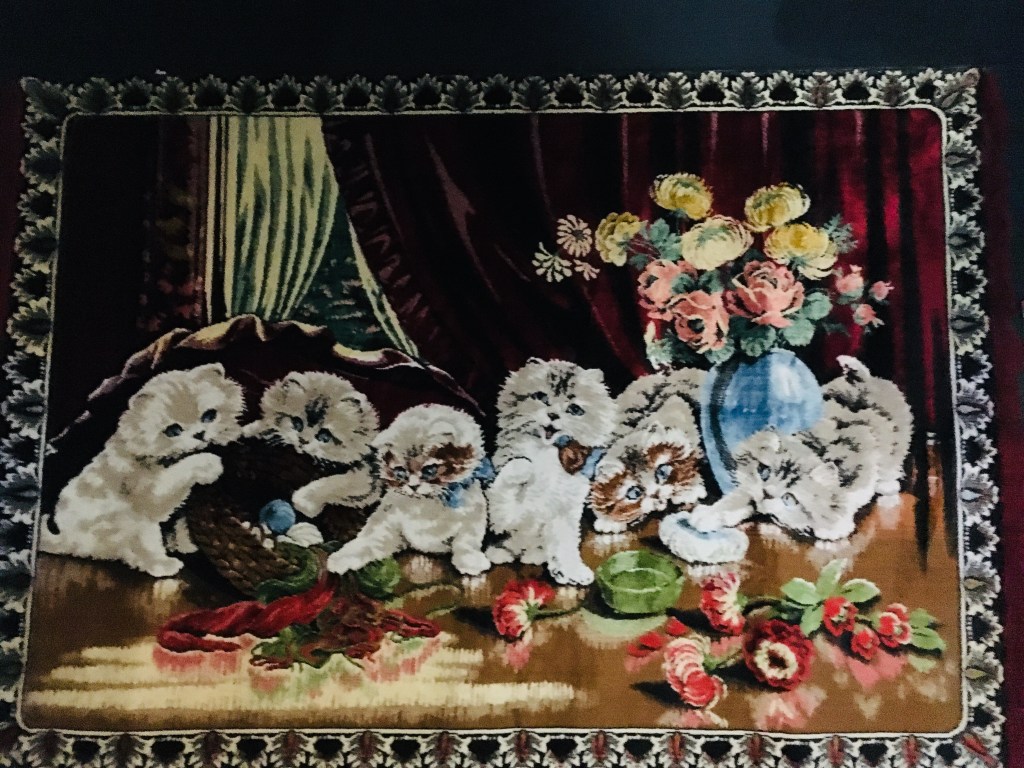
And some super kitsch kitties a’gamboling.
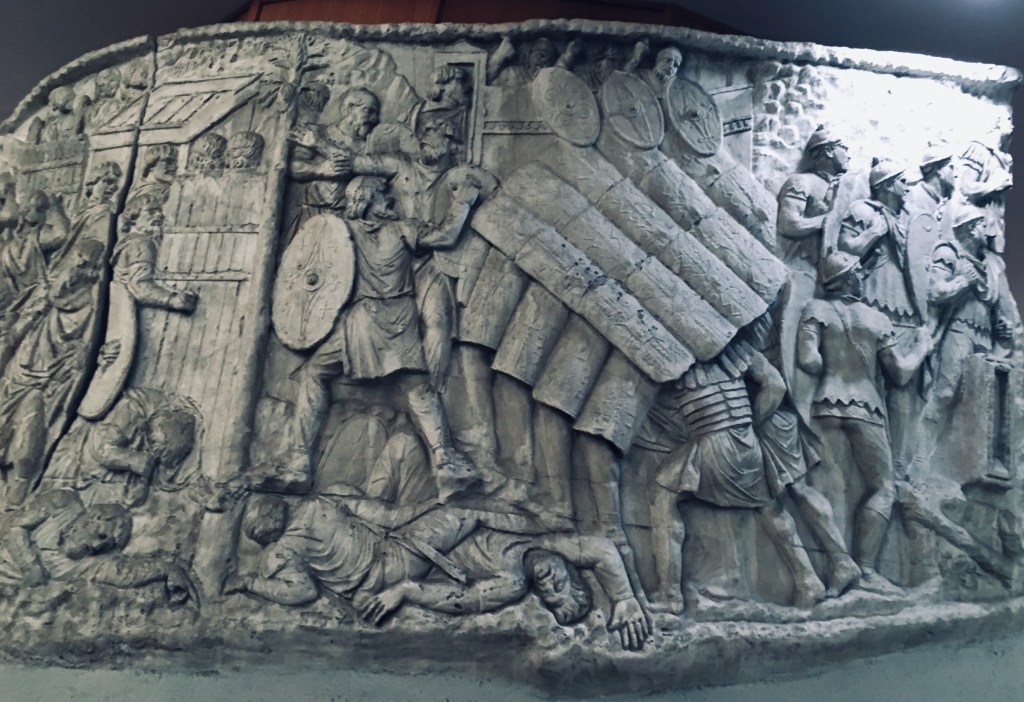
For my last thing, I’ll just post some cool pictures of Trajan’s Column from the History Museum here. Obviously, the original column is in Rome, but when you go there to visit, it’s disappointing. It’s nearly impossible to see what it depicts because it is so tall and you have to stand so far away. But since Trajan is depicting his battles with the Dacians (i.e. modern day Romanians), the Romanian History Museum decided to do a special exhibit where you can see the whole thing up close. So cool! It should be noted that there was no one else in the exhibit, so I do know it’s boring for most people.
Take a look at that amazing bridge across the Danube! Romans built that!
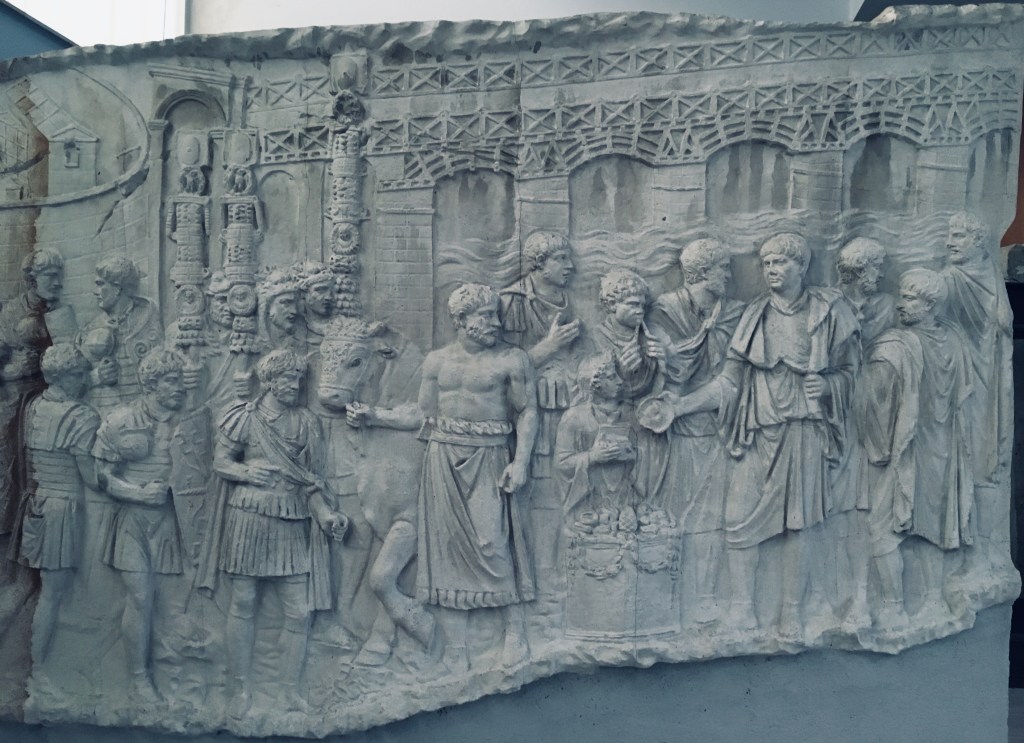
And look at that amphitheater and those city walls and arches! Romans built those! You can even see a little triumphal horse and chariot on the arch to the right. There are tons of modern monuments that have those–The Brandenburg Gate, for example, or the Wellington Arch in London.
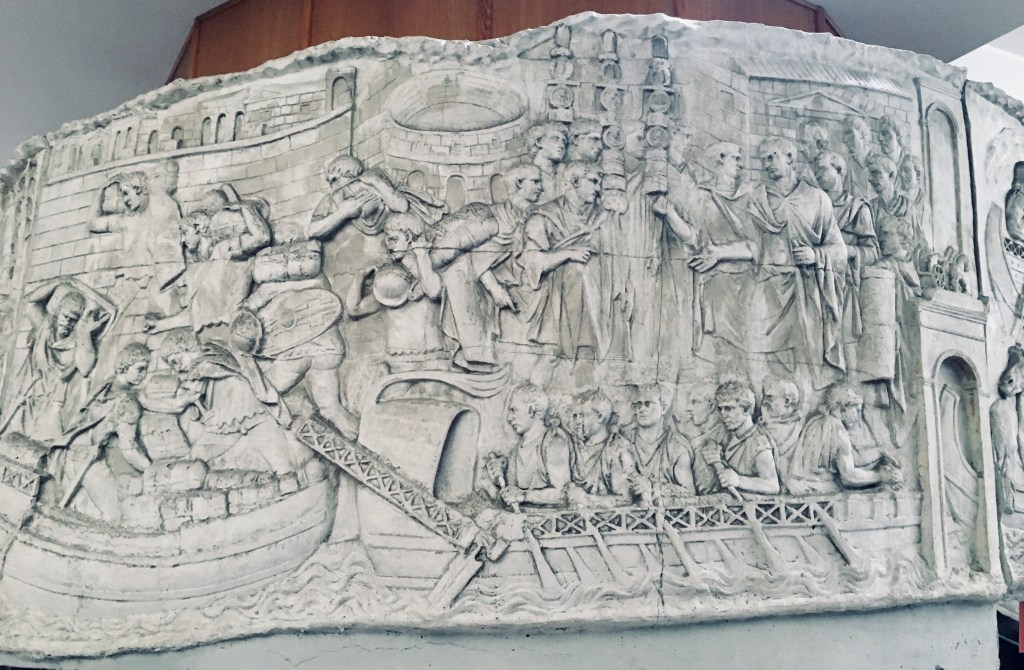
And here they are doing their famous Testudo (Tortoise) maneuver while storming a fort. This is a sad portion, for sure, because the Dacians, although brave, are not really as organized or well-equipped as the Romans. You can determine who the Dacians are because they are bearded. Roman soldiers are usually clean-shaven because beards can be a vulnerability in battle.
 Kelly and Garett Get Away
Picture of rooster reminds me of Heather’s chickens in Cameroon who constantly looked for ways to get into her house.
So how did you get to Bucharest if not by train??
I found the setting in Sighisoara like a fairytale setting. You will have to tell me how you chose that village.
LikeLike
Thought you were still here. Go girl! You might be very useful to travel companies soon. I hope you are making a lot of videos. Bonne chance.
LikeLike