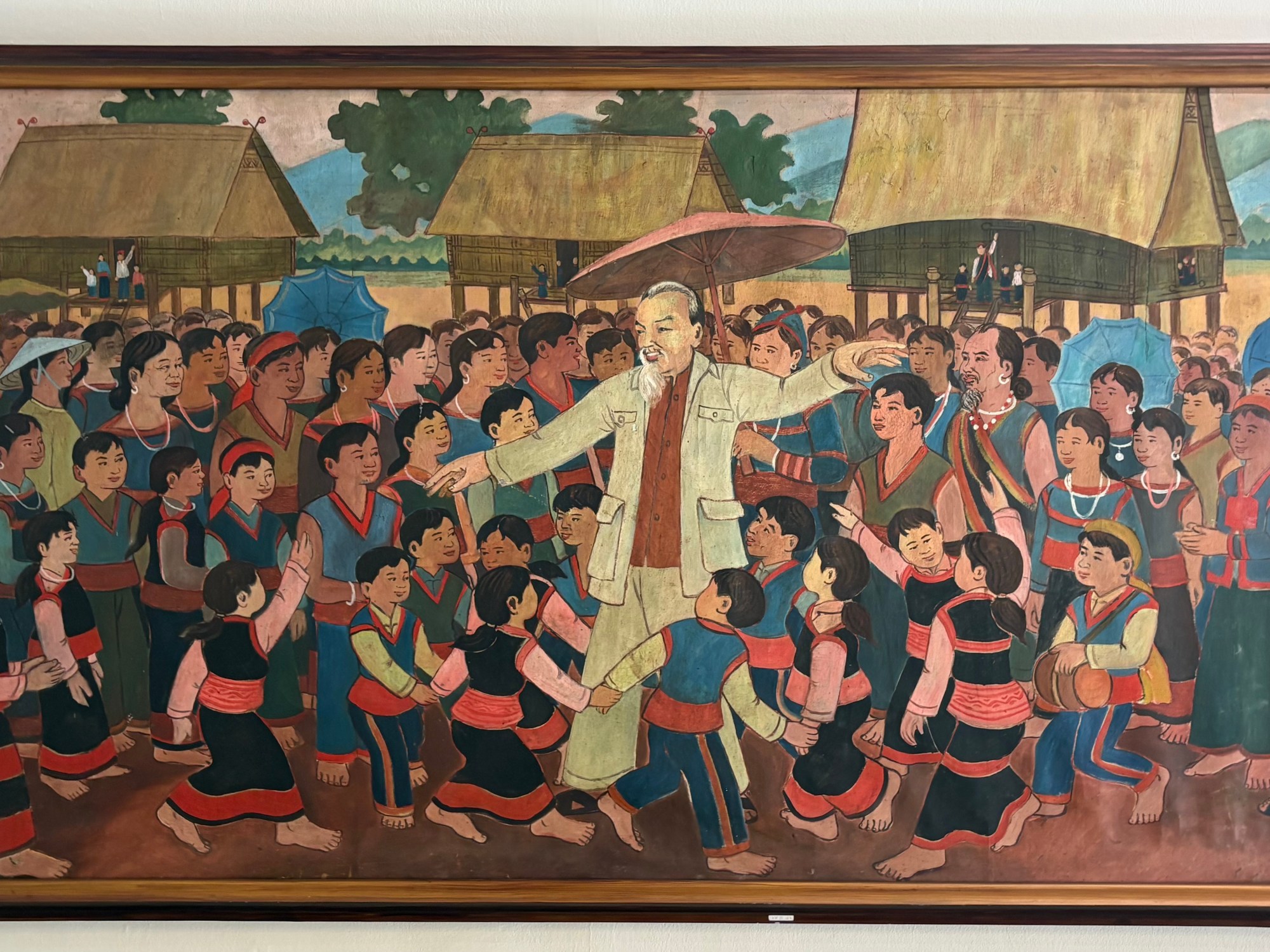
Ho Chi Minh City, also known as Saigon, is named after the Vietnamese revolutionary leader. The featured shot of this post is the man himself, “Uncle Ho”, in a painting at the Ho Chi Minh City (HCMC) Fine Arts Museum we visited on this trip.
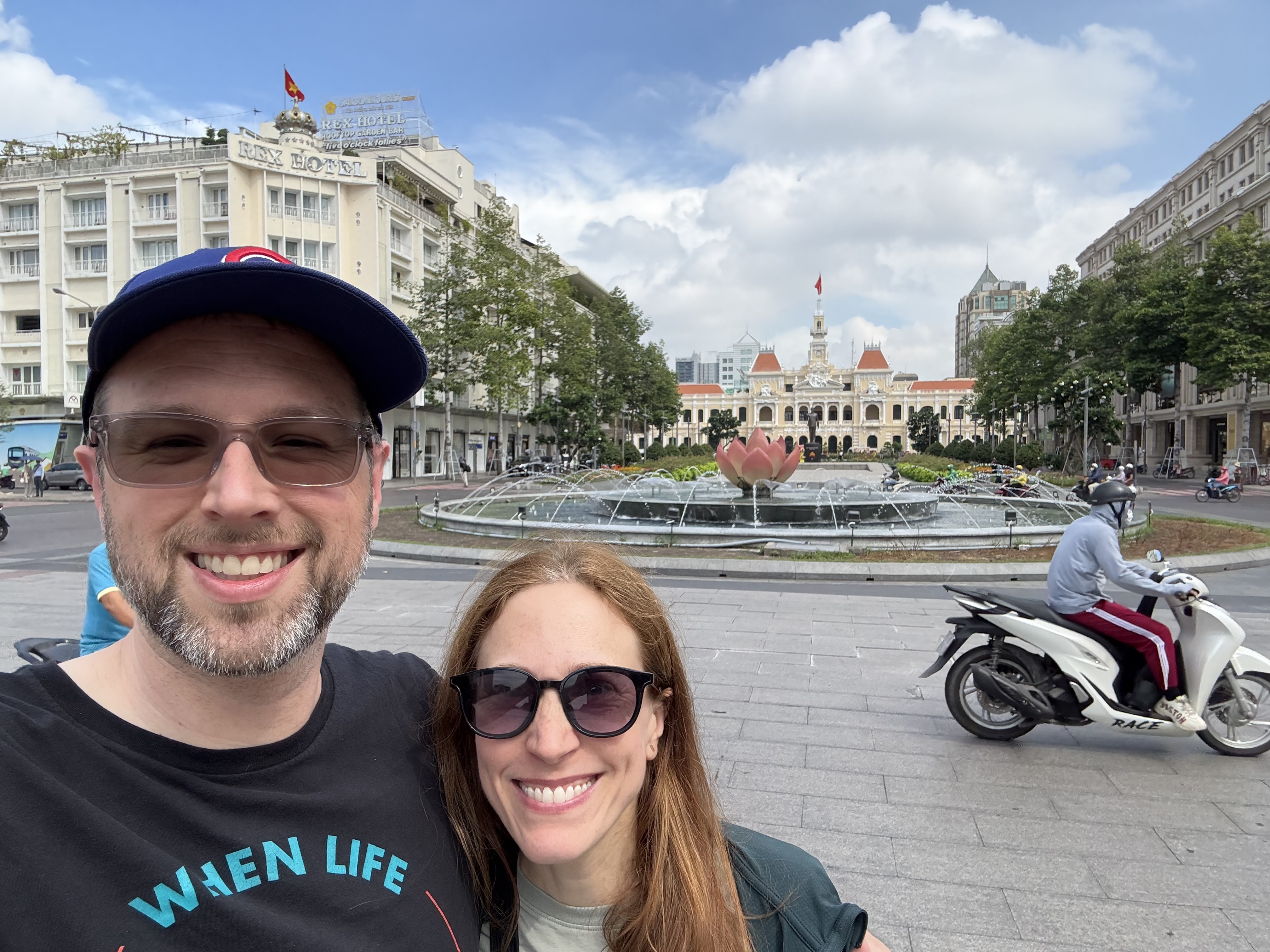
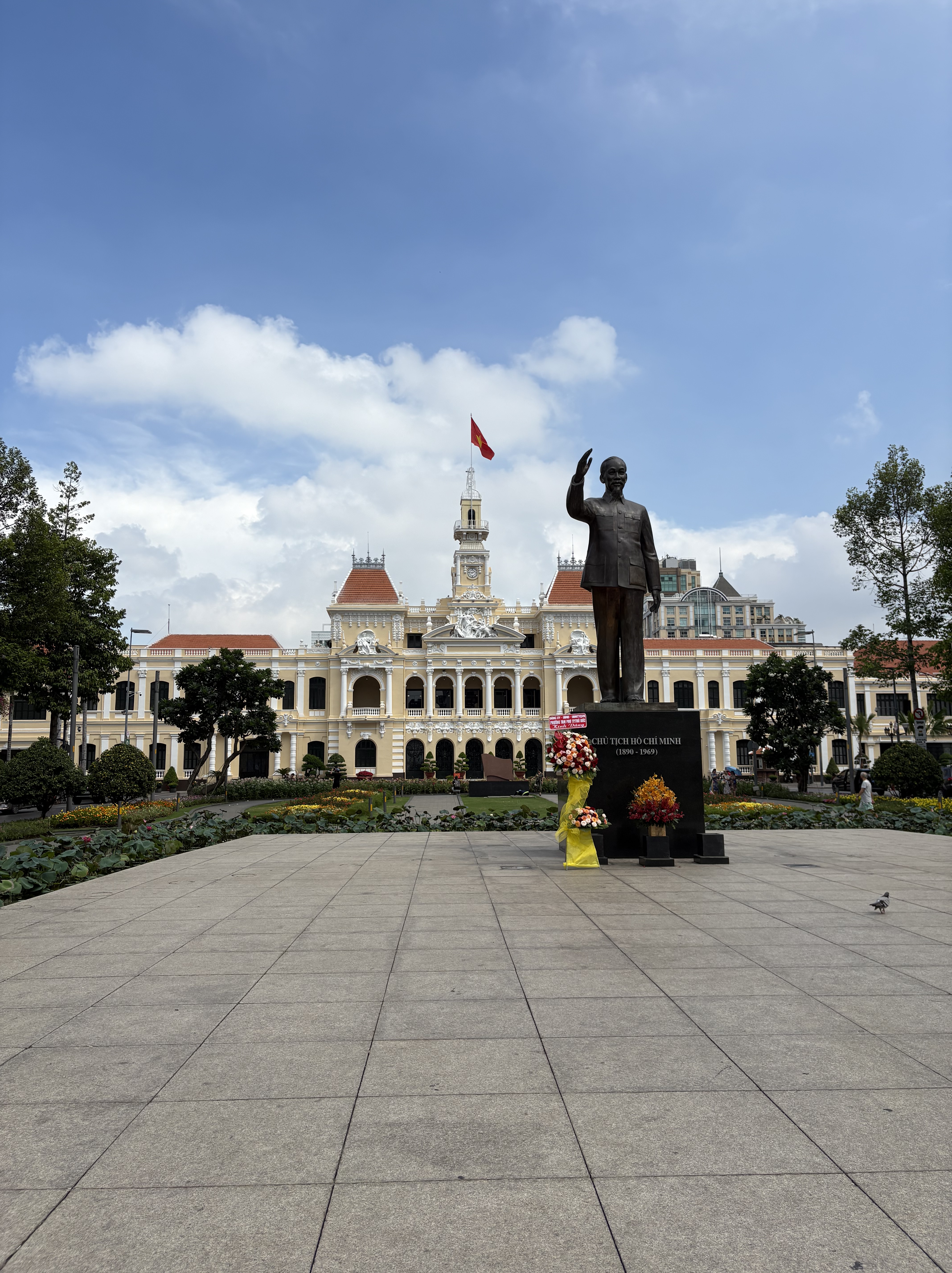
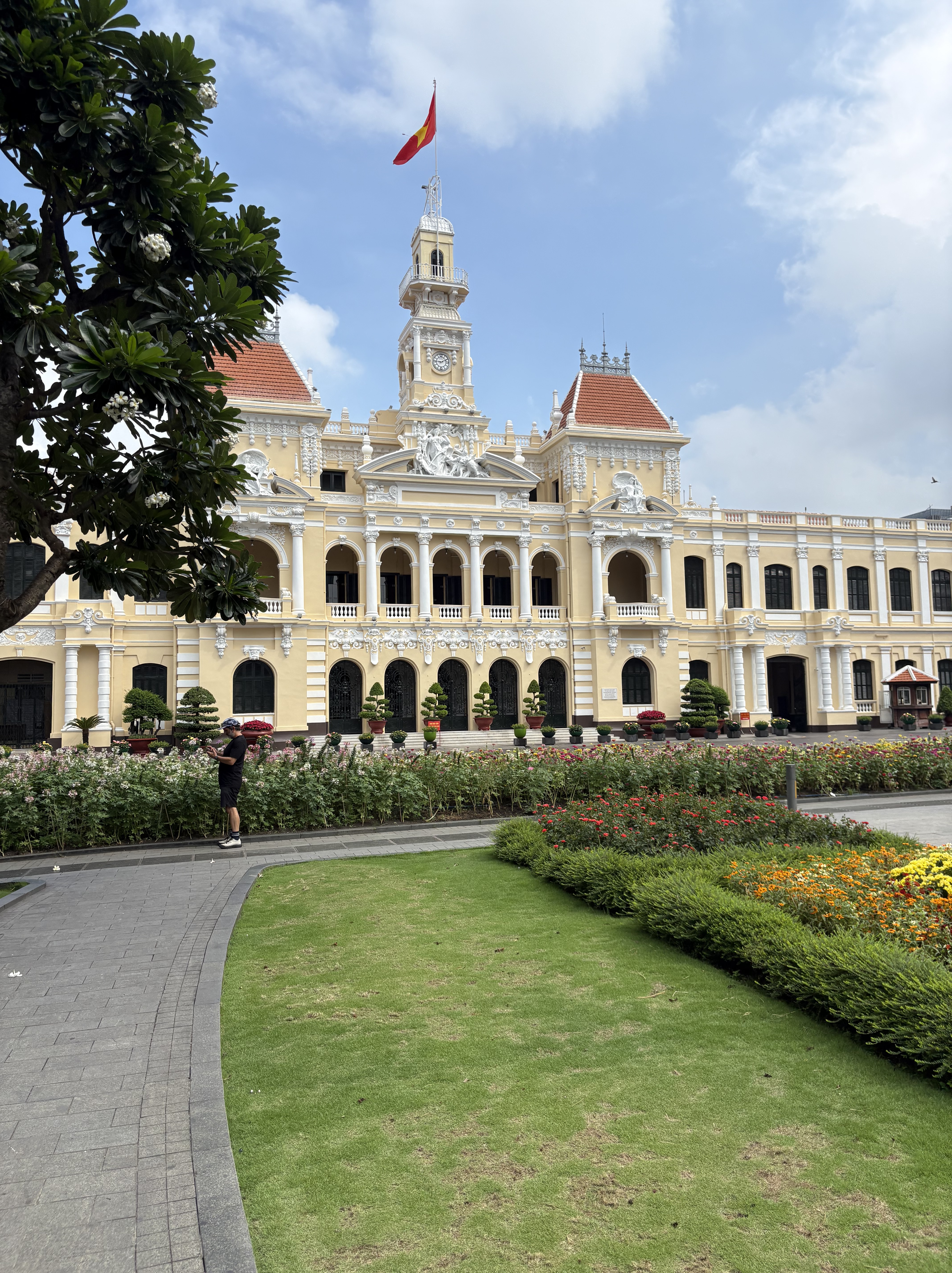
Saigon seems more modern compared to Vietnam’s capital. In Hanoi, the Old Quarter barely had any room for pedestrians to move, but here, sidewalks exist and are walkable. On our first outing, Kelly and I strolled down Huế Street and snapped a photo in front of three distinctly different landmarks: a lotus blossom statue (representing Buddhism), a statue of Ho Chi Minh (representing Communism), and the French colonial-style City Hall building. It’s scorching hot here, so you won’t see as many pictures of us.
Growing up, I learned that one of the main reasons my father became a teacher was to avoid being drafted into the Vietnam War, referred to here as the “American War.” But in school, I was taught almost nothing about it. I’m sure it got mentioned a few times; I probably learned it was a proxy war to the Cold War. But having been born in 1983, and going to school for my formative years in the 90s, it was hardly mentioned. My parents, and others of their generation, referred to the Vietnam War as “not our war”.
With that said we visited the War Remnants Museum. It was sobering. As it turns out, America doesn’t like to dwell on wars it lost, especially ones in which it committed seemingly endless war crimes. The museum featured frightening images of the effects of Agent Orange and napalm, along with a detailed exhibit on the torture and execution of Vietnamese prisoners. Truthfully, I skimmed many of the exhibits rather than reading too closely because it was too horrific to fully absorb.
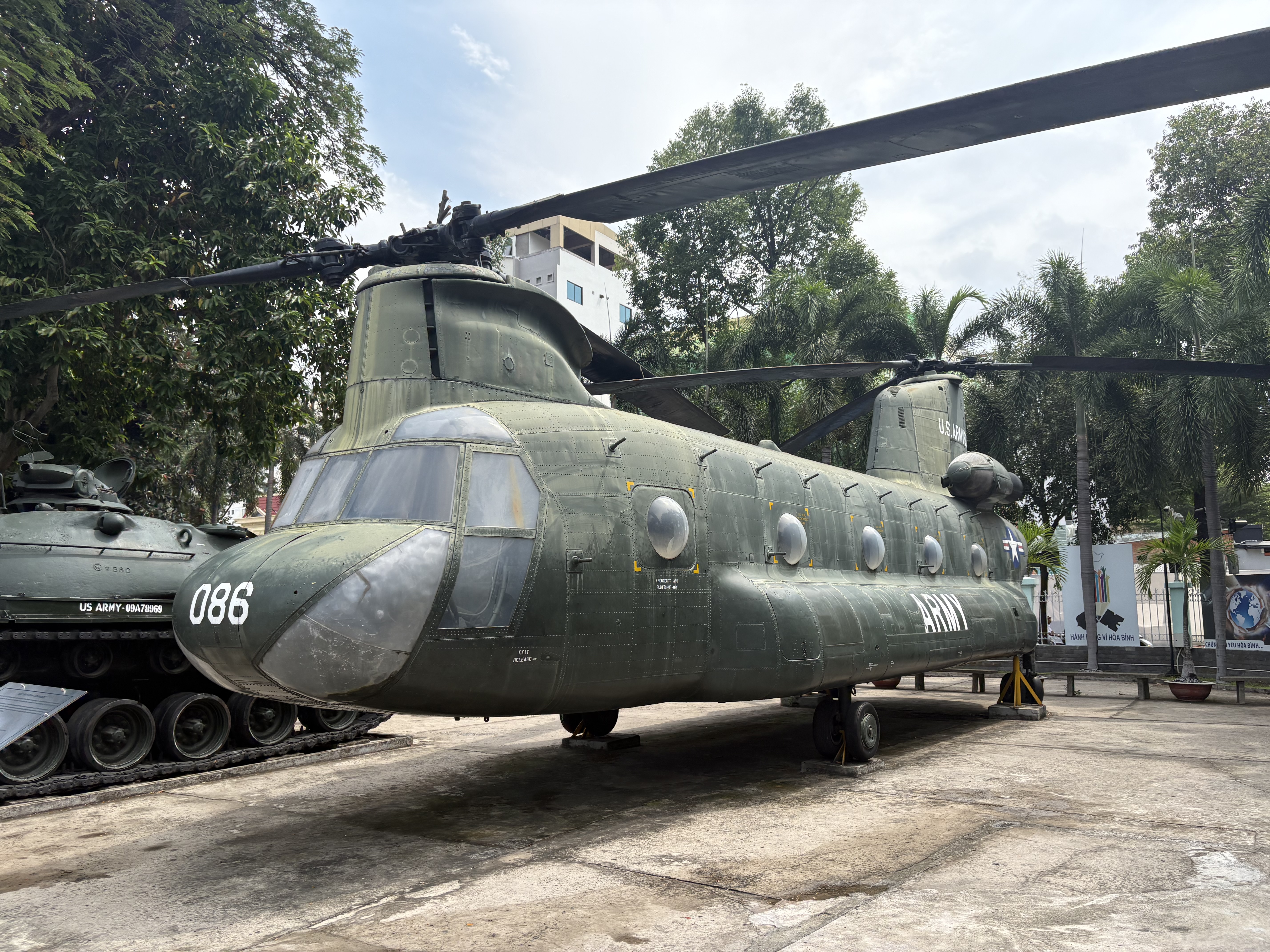
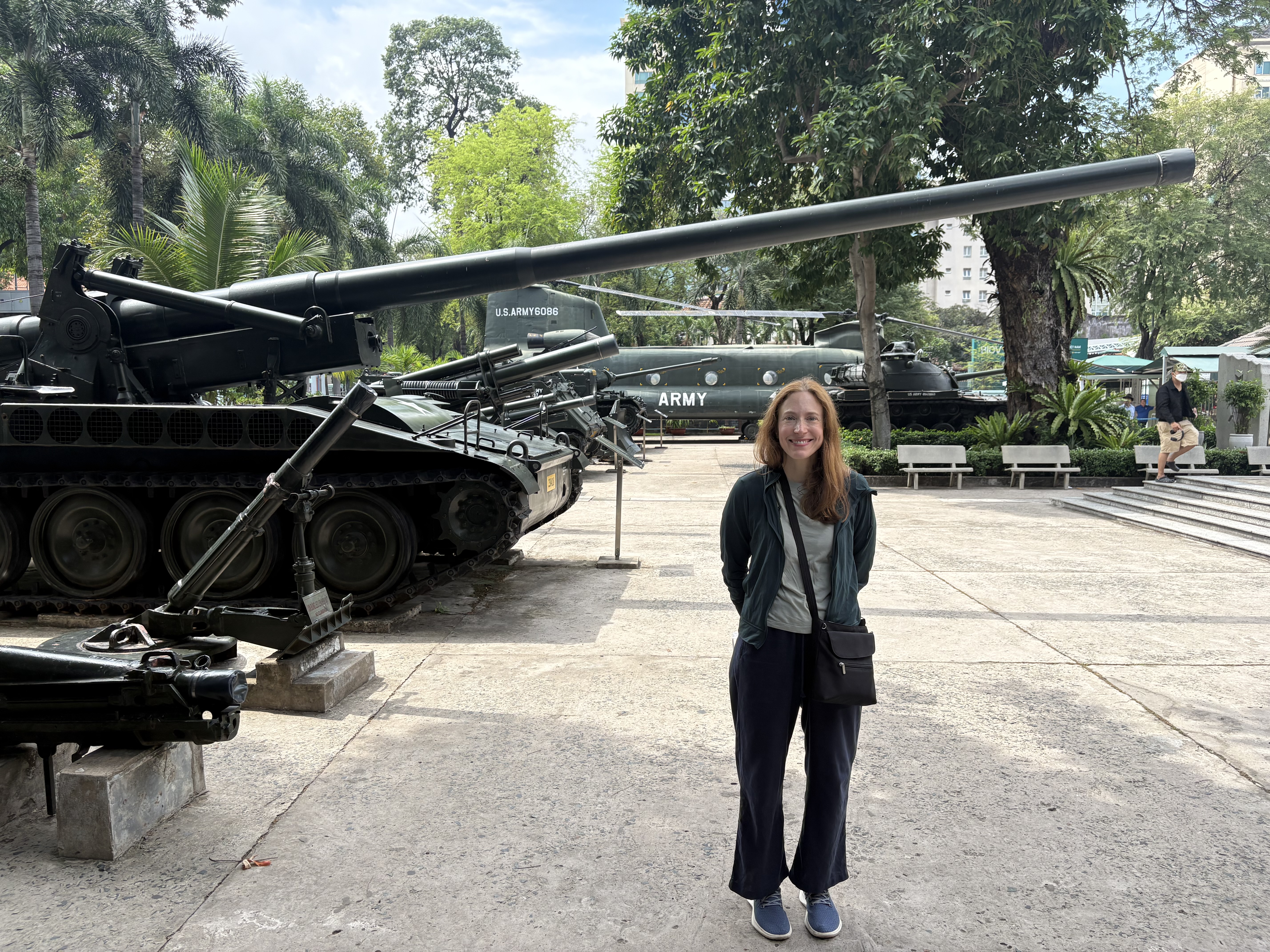
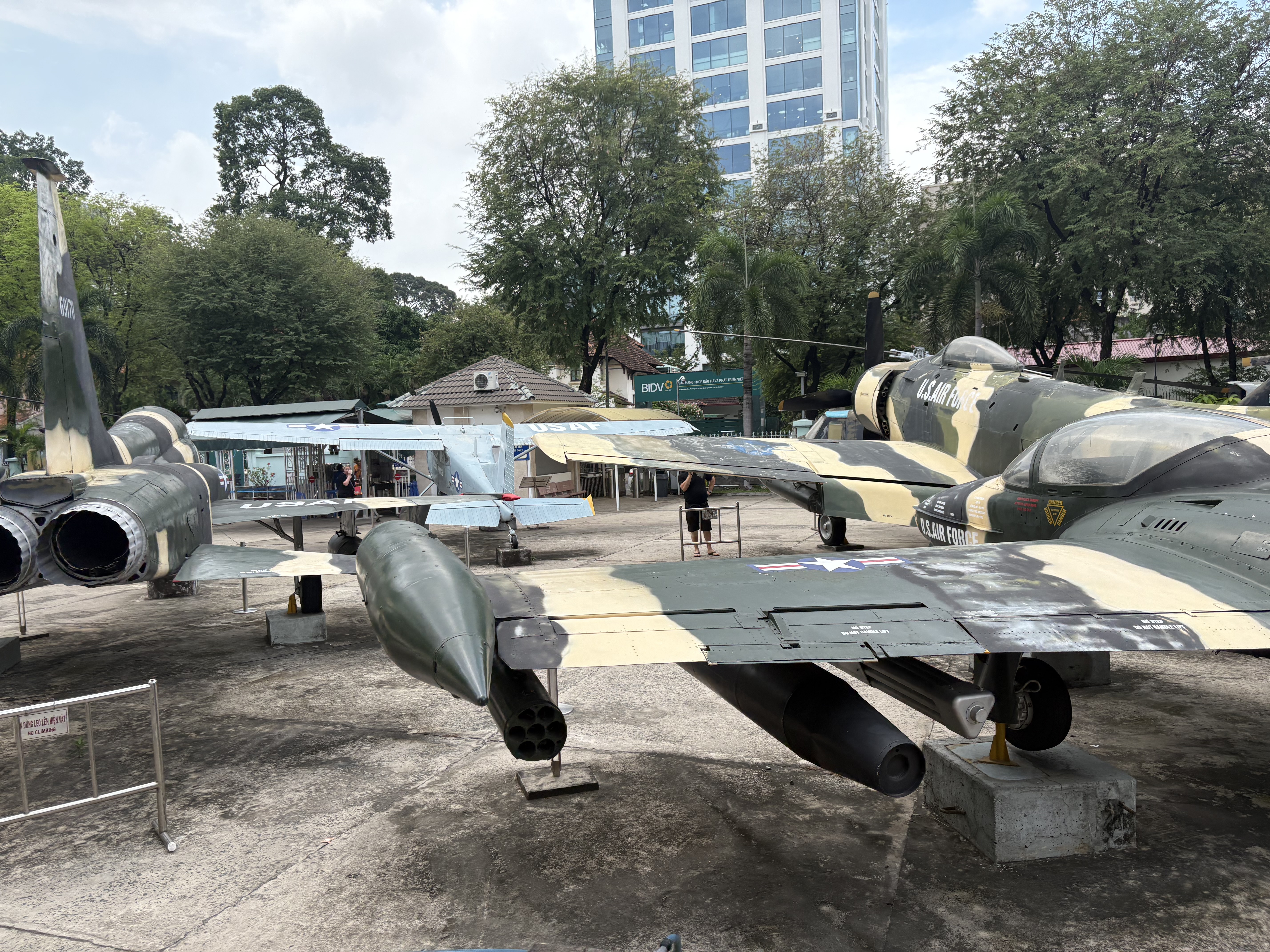
In the museum courtyard there was a collection of American war vehicles from the conflict. That’s the only part of this museum I felt comfortable photographing.
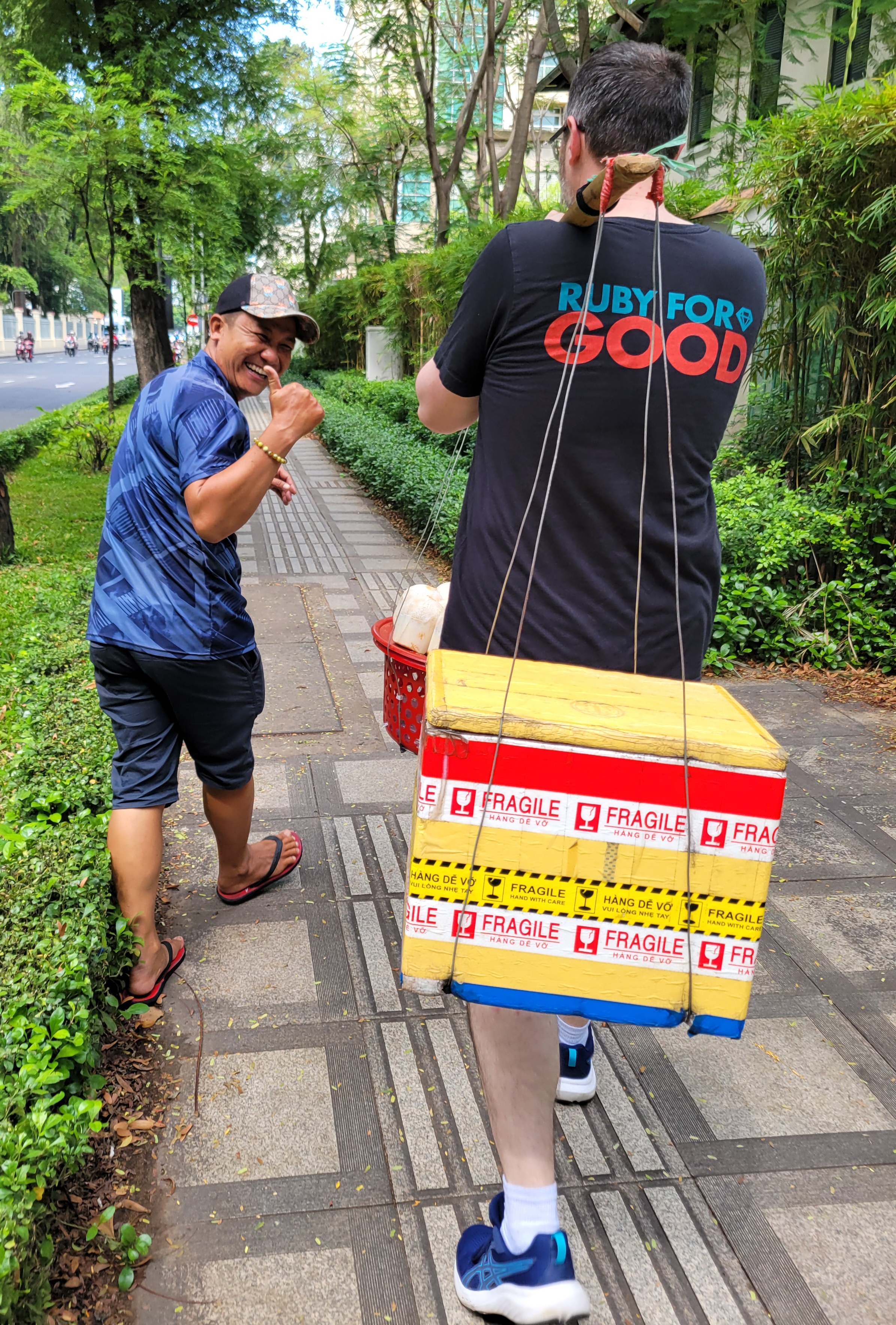
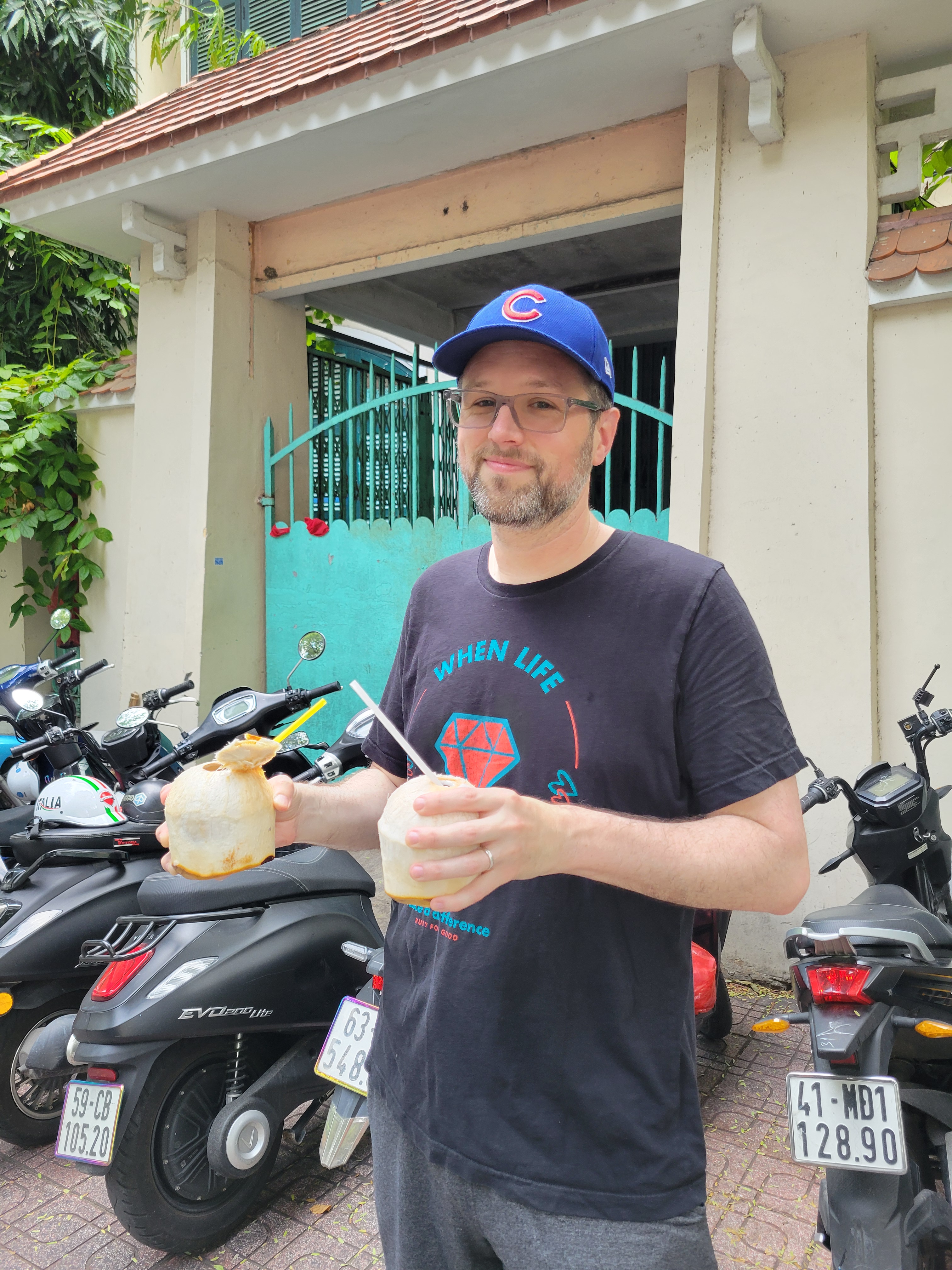
On our walk to the next location, we were intercepted by a chatty street vendor. He sweet-talked me into trying out his carrying pole, claiming it was heavy and asking if I could carry it for a block to give him a break. Naturally, Kelly snapped a photo of the moment. Of course, it turned out to be a setup; he was just swindling us into buying two coconut waters at three times the usual price (which was only $3). Honestly, I’m not mad about it. It was a quick but memorable encounter, and now it’s a funny story.
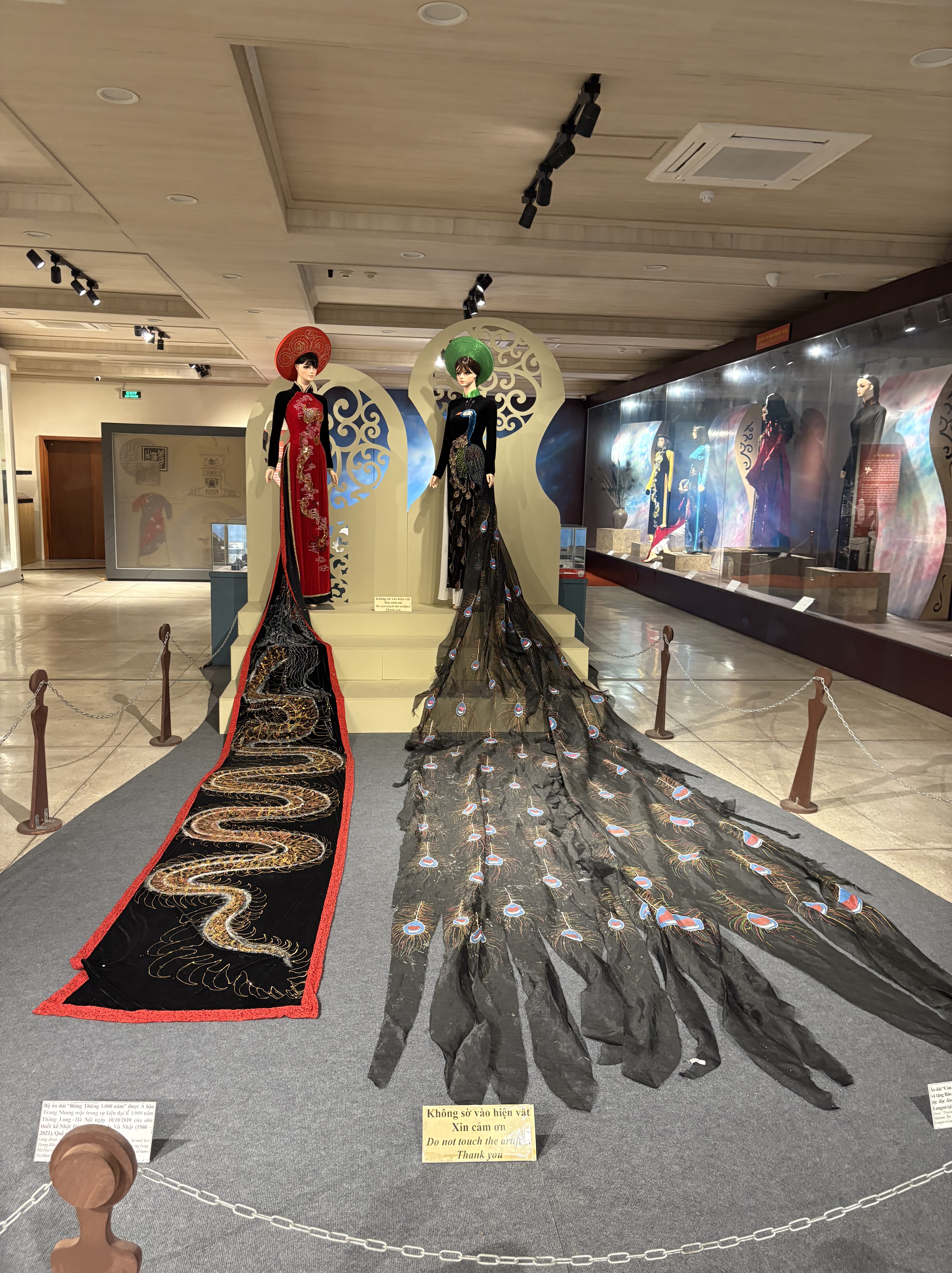
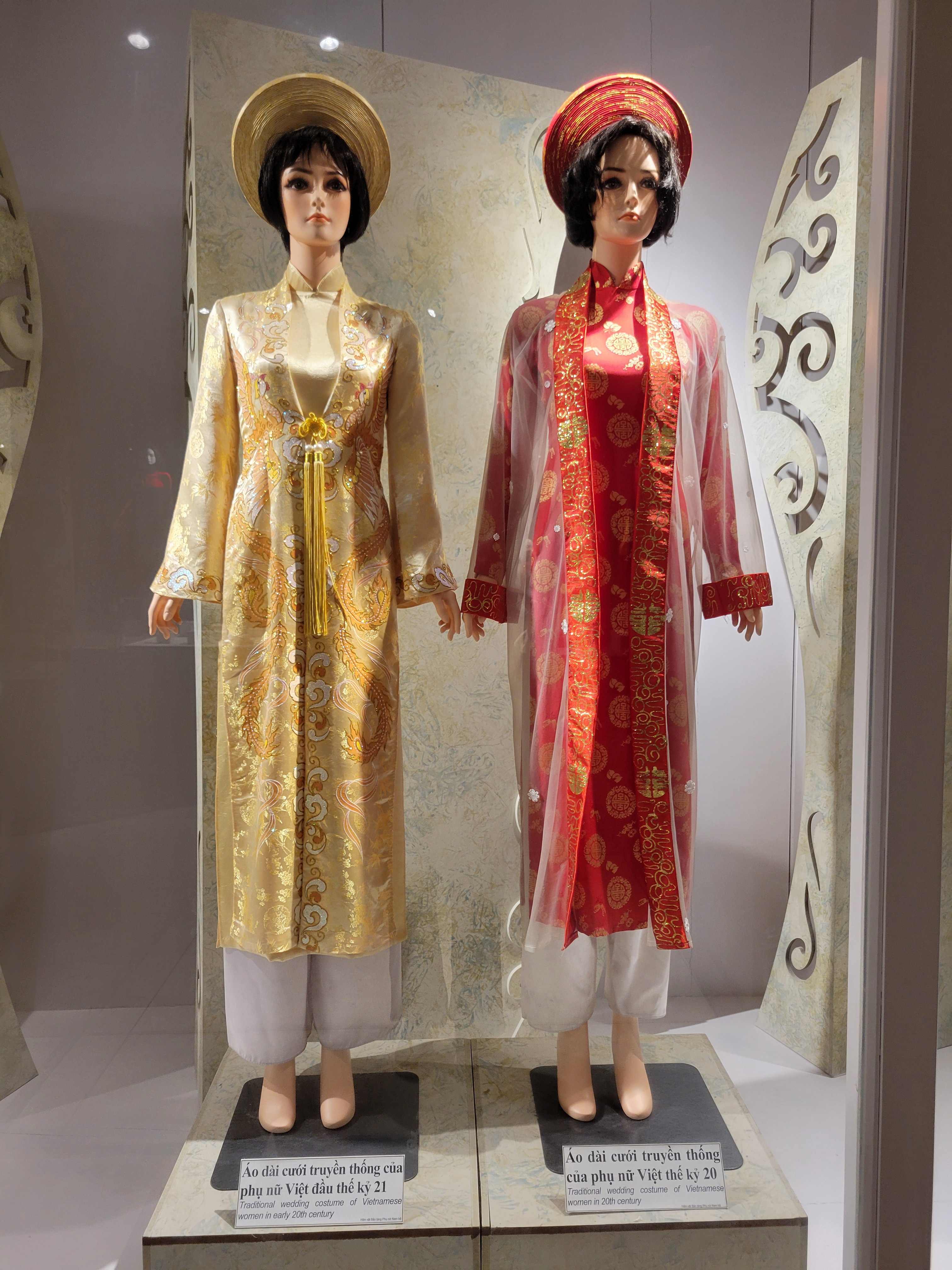
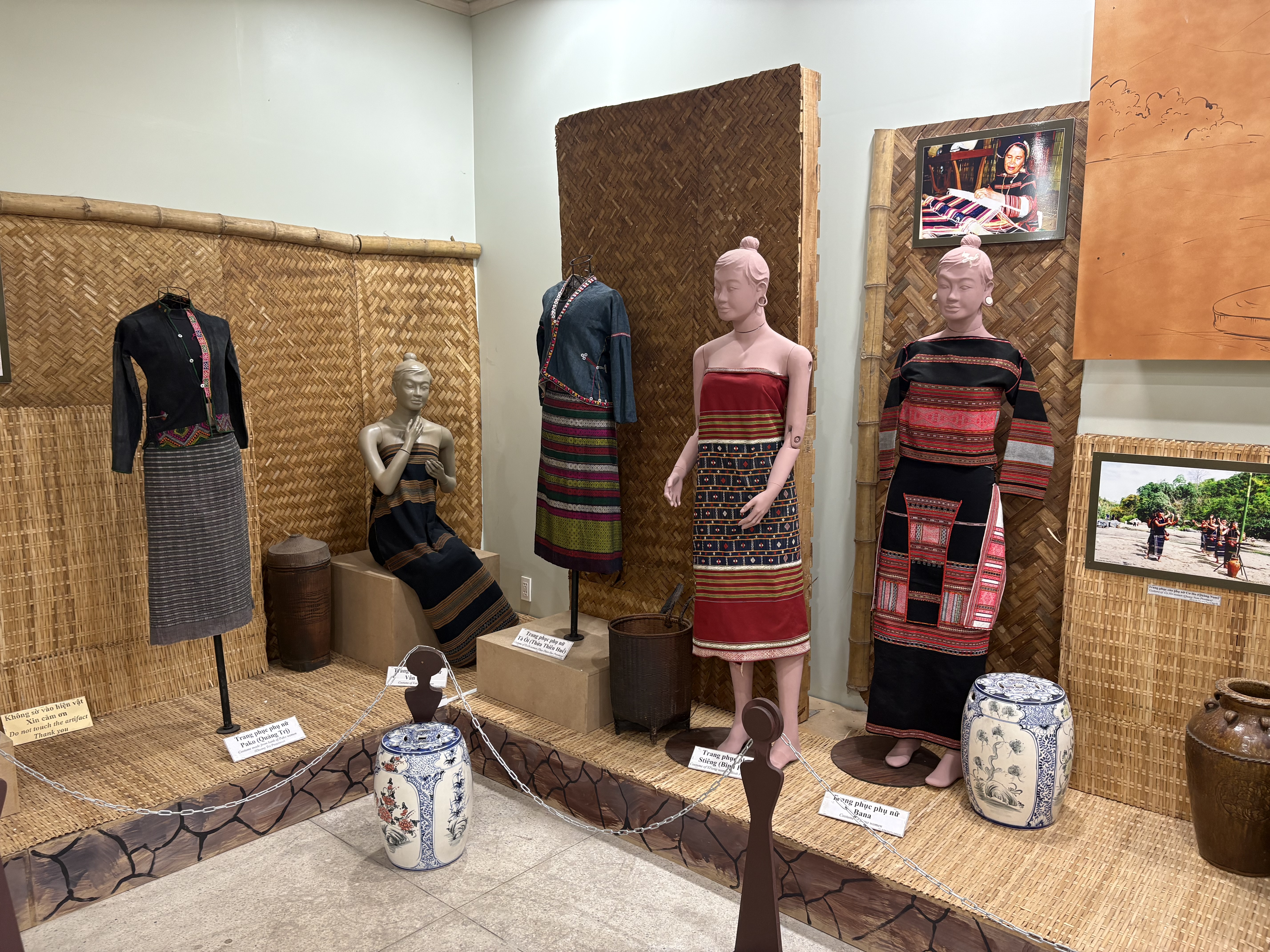
Our next stop was the Southern Women’s Museum, which turned out to be more of a small fashion museum, and an extremely hot and humid one. We snapped a few photos but only lasted a few minutes.
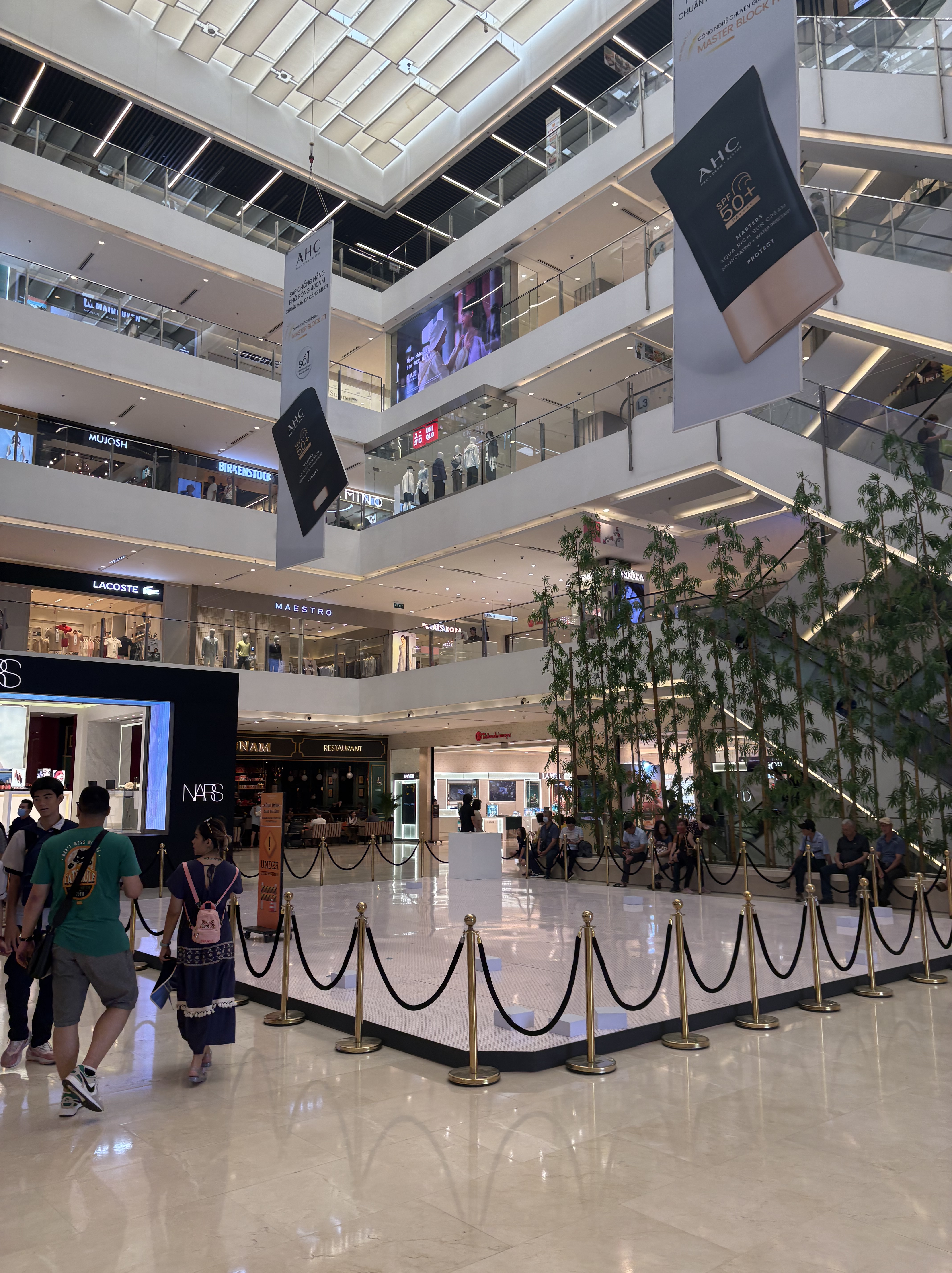
After that, we hopped into a Grab (Southeast Asia’s version of Uber) and headed to a gloriously air-conditioned shopping mall to cool off. The mall, Saigon Centre, is actually very close to our hotel, and it’s been a helpful spot for restocking supplies, grabbing some Western meals, and buying lighter clothes more suited to the heat.
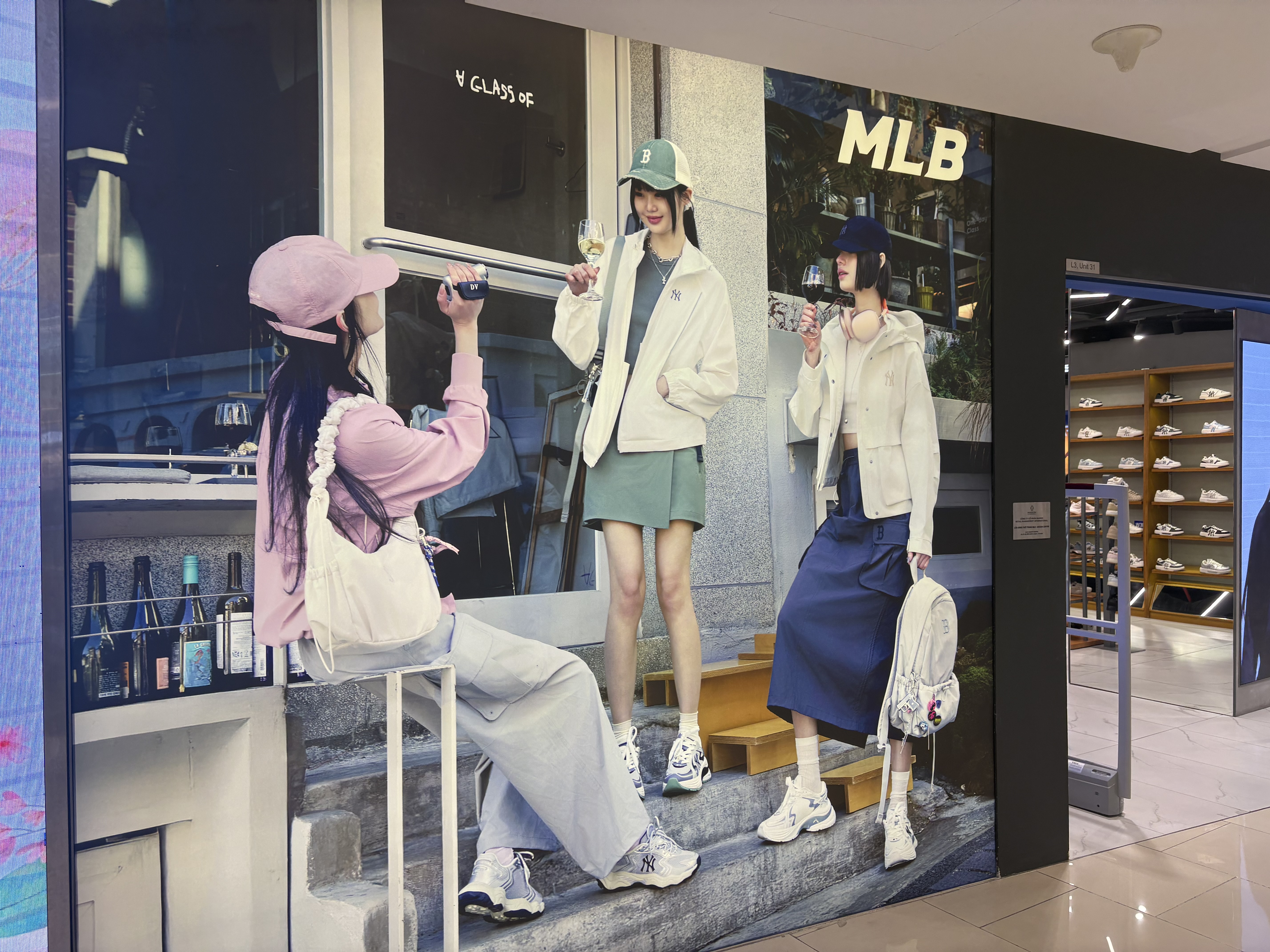
One thing we noticed here (and also in South Korea) was the unexpected presence of MLB stores. It’s kind of baffling, since Vietnam doesn’t have any baseball leagues, and the climate seems way too hot for the sport. The posters of models in team swag casually drinking wine were pretty fun.
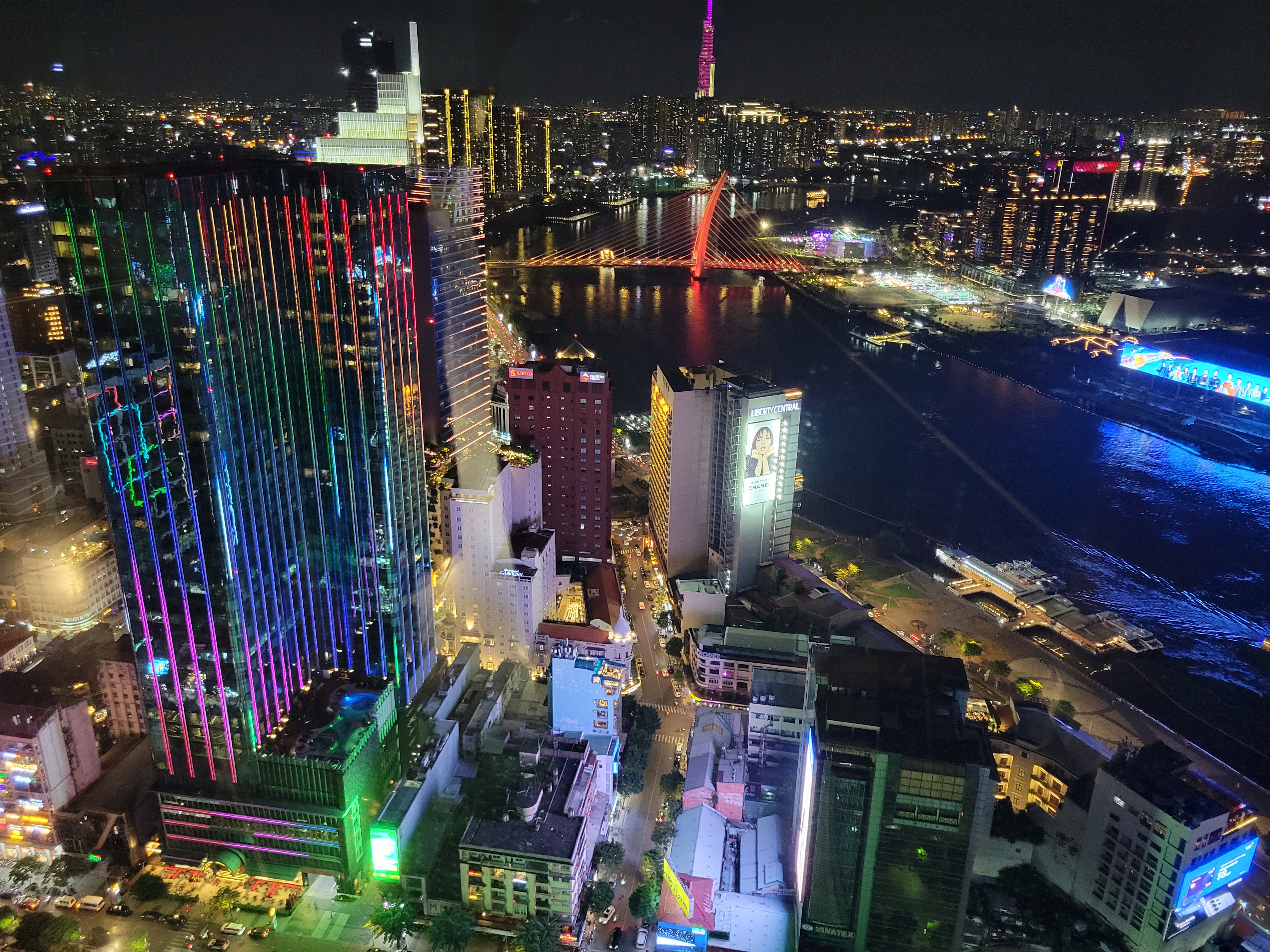
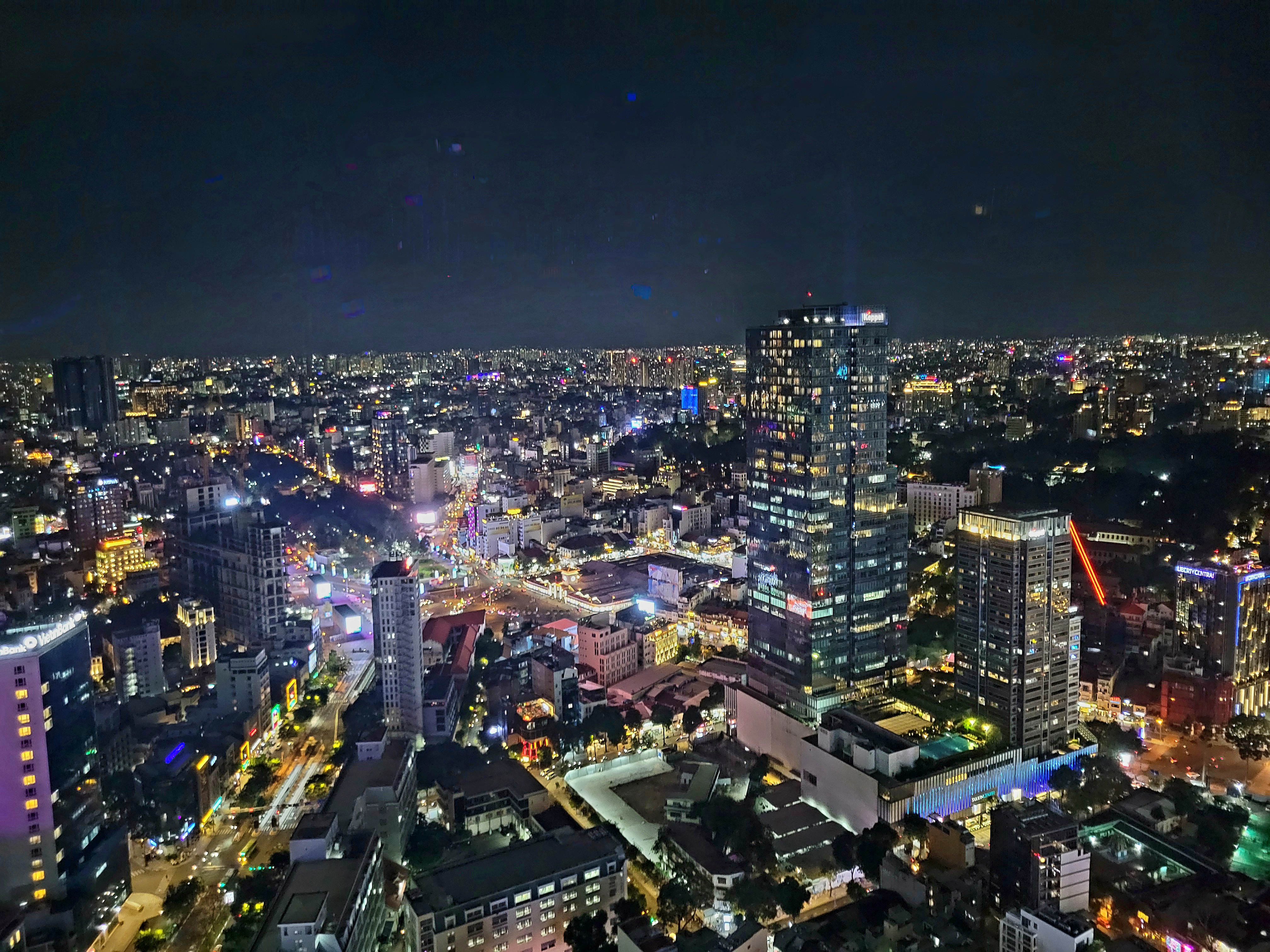
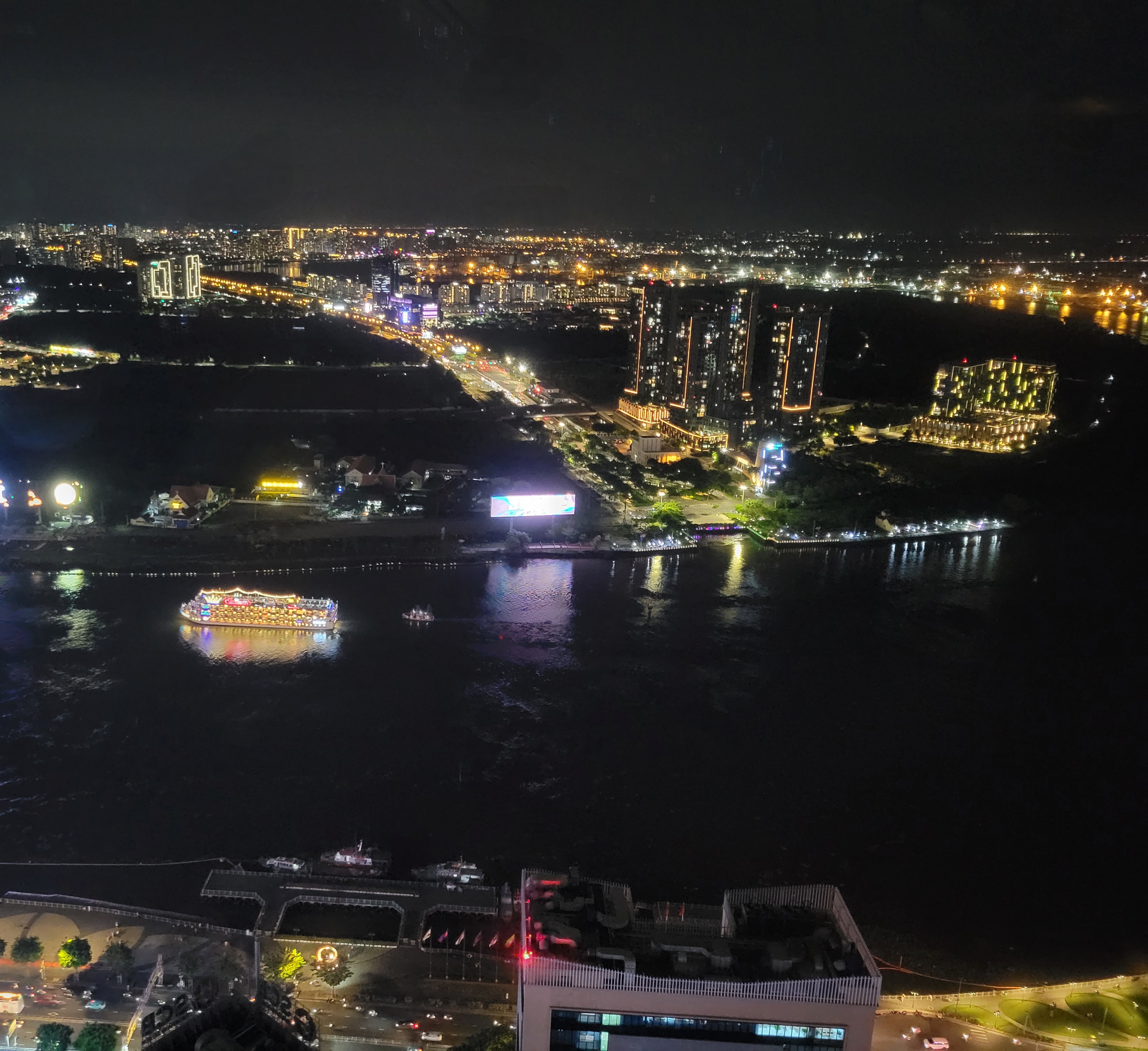
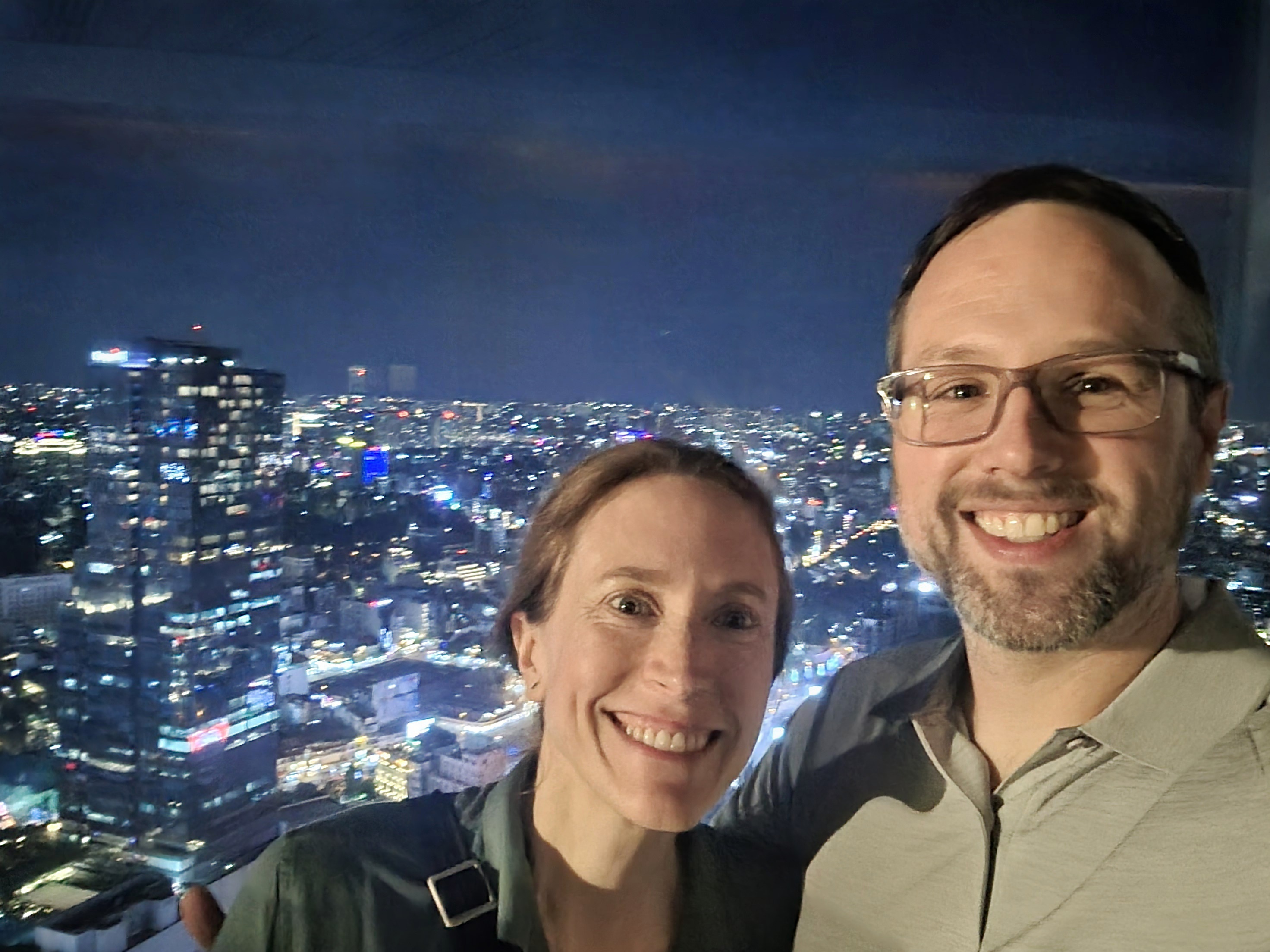
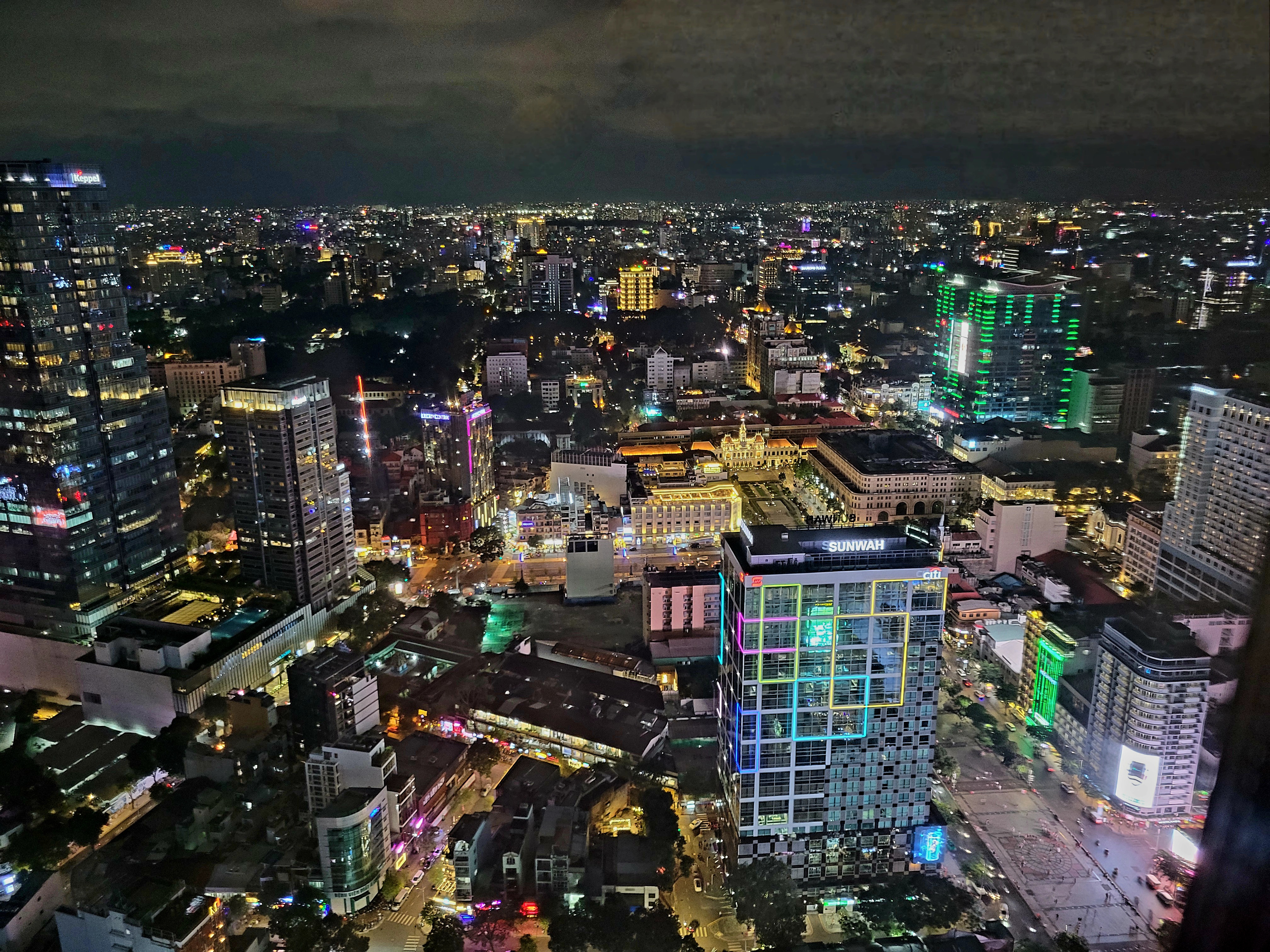
We capped off our first night at the Saigon Skydeck, located at the top of the Bitexco Financial Tower, just a short walk from our hotel in Ho Chi Minh City’s 1st District. From the observation deck, we could spot almost all the places we’d visited earlier that day lit up in the night skyline.
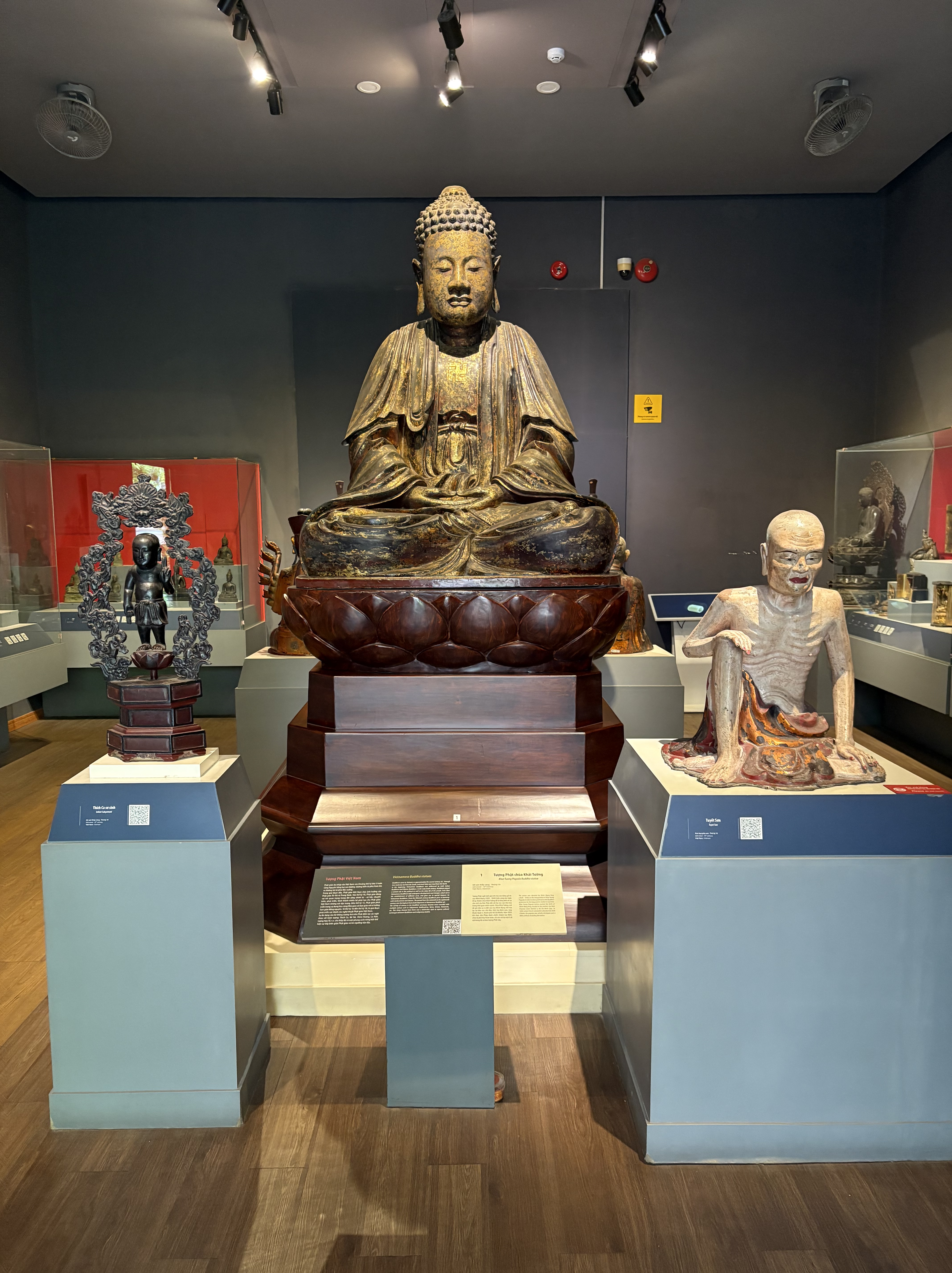
The next morning, we visited the HCMC History Museum. Much like the one we explored in Hanoi, this museum covered Vietnamese history from prehistoric times through the 20th century. Our visit happened to coincide with a massive school field trip, which made for a lively experience. We’ve encountered school groups at major museums around the world, but this one stood out because nearly every child wanted to say hello, ask our names, find out where we were from, and generally try out every bit of English they’d learned. There were hundreds of kids, each class led by teachers shouting over megaphones, while the students seemed more focused on us than the exhibits. It was chaotic and unique.
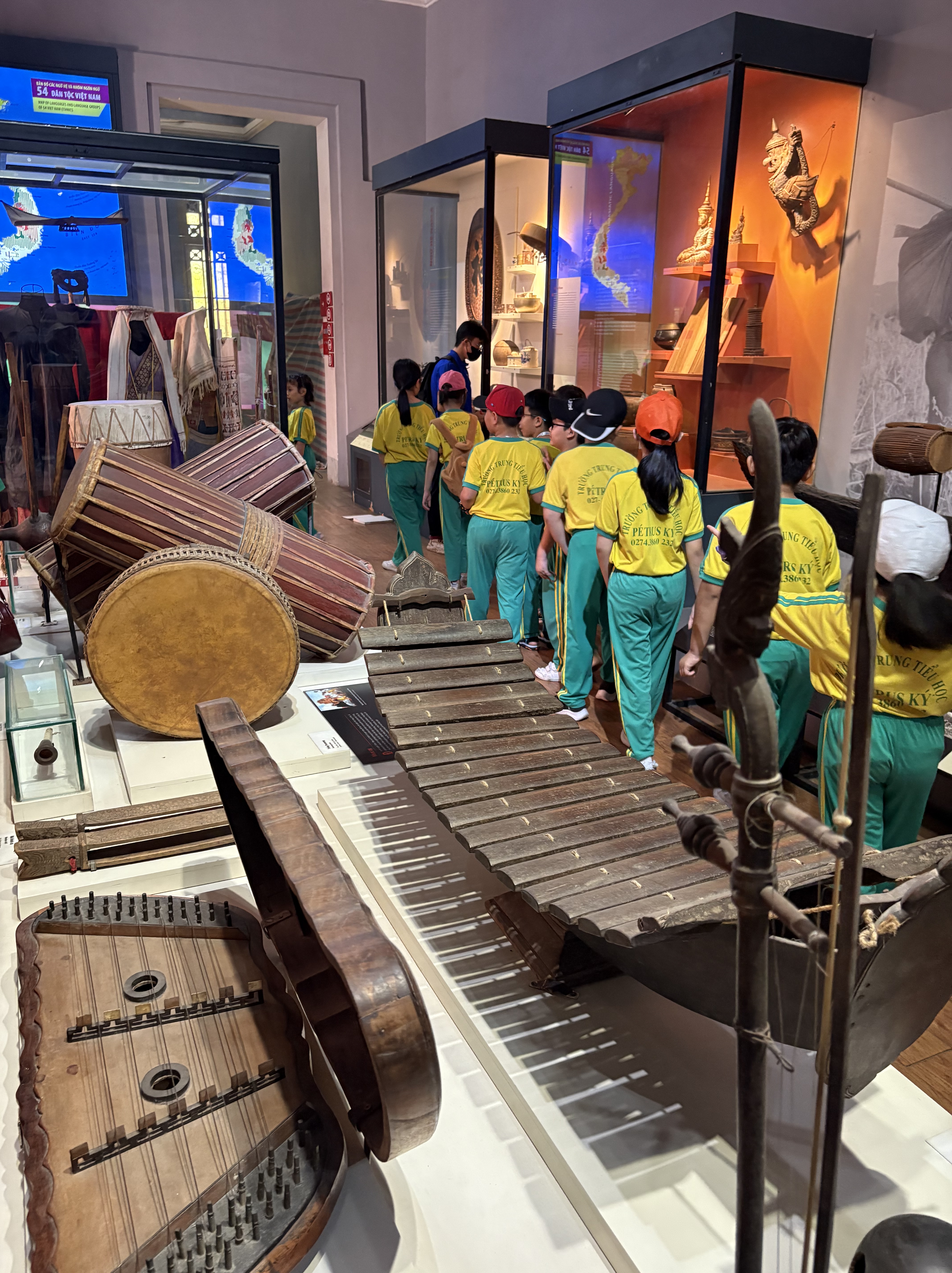
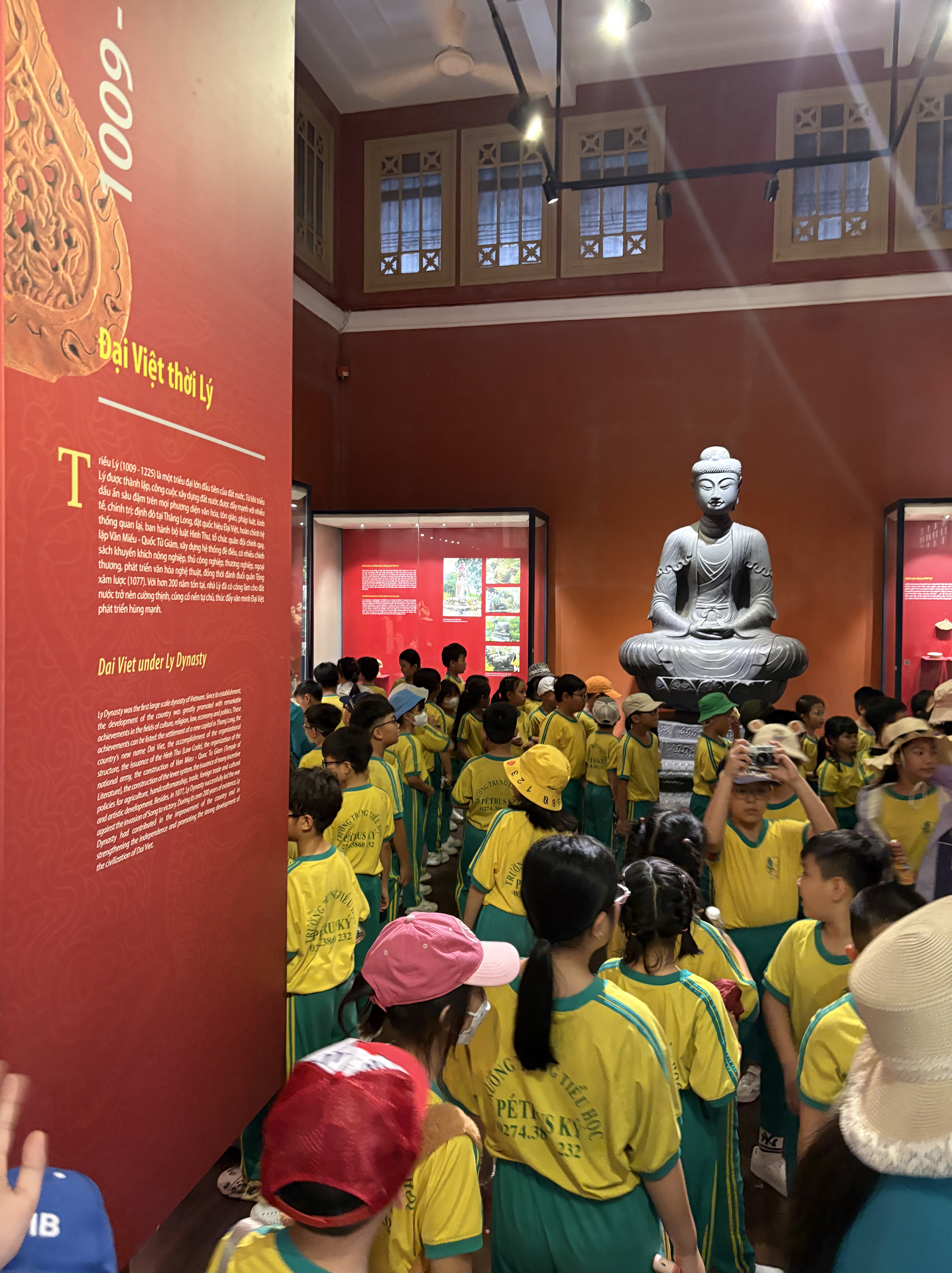
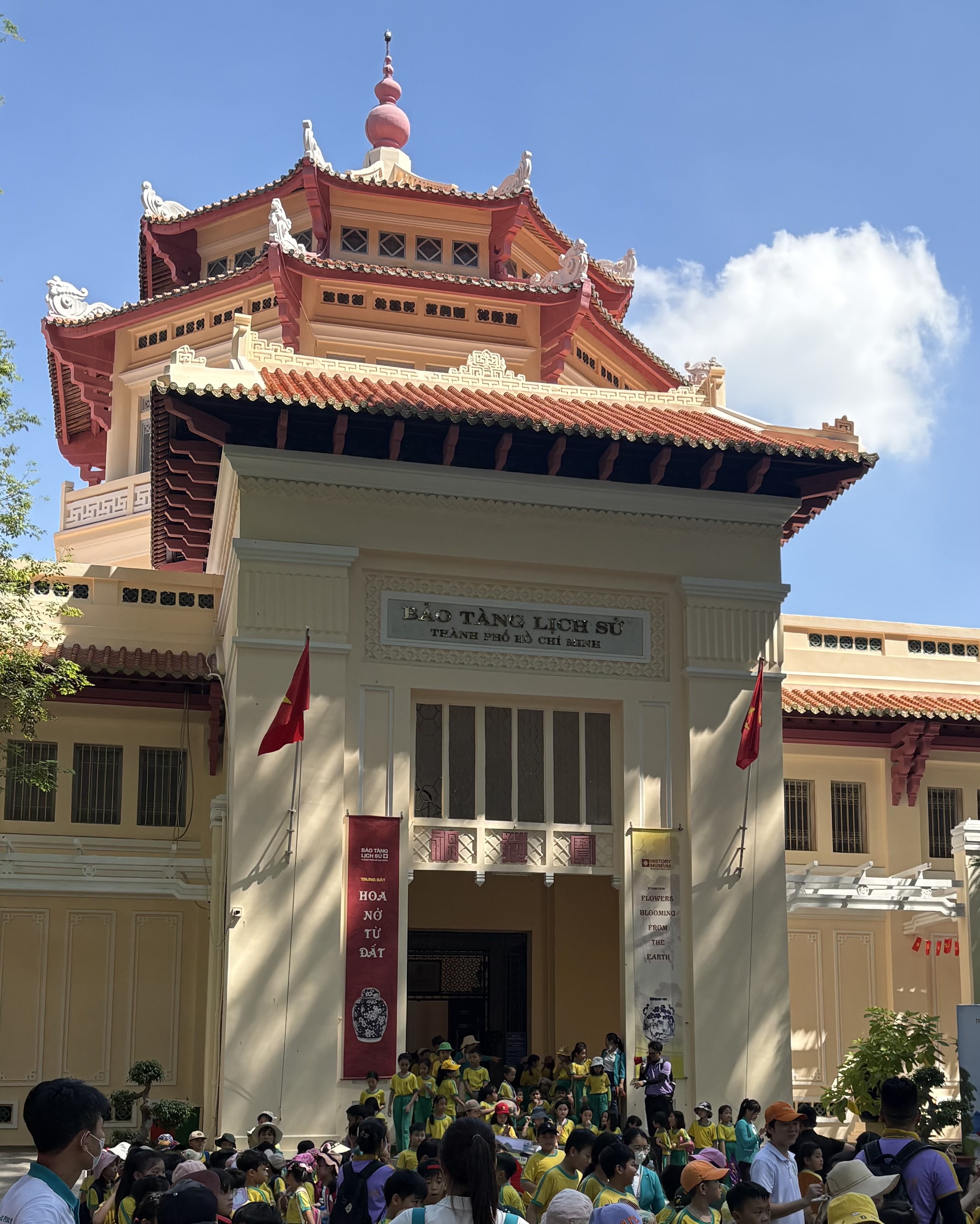
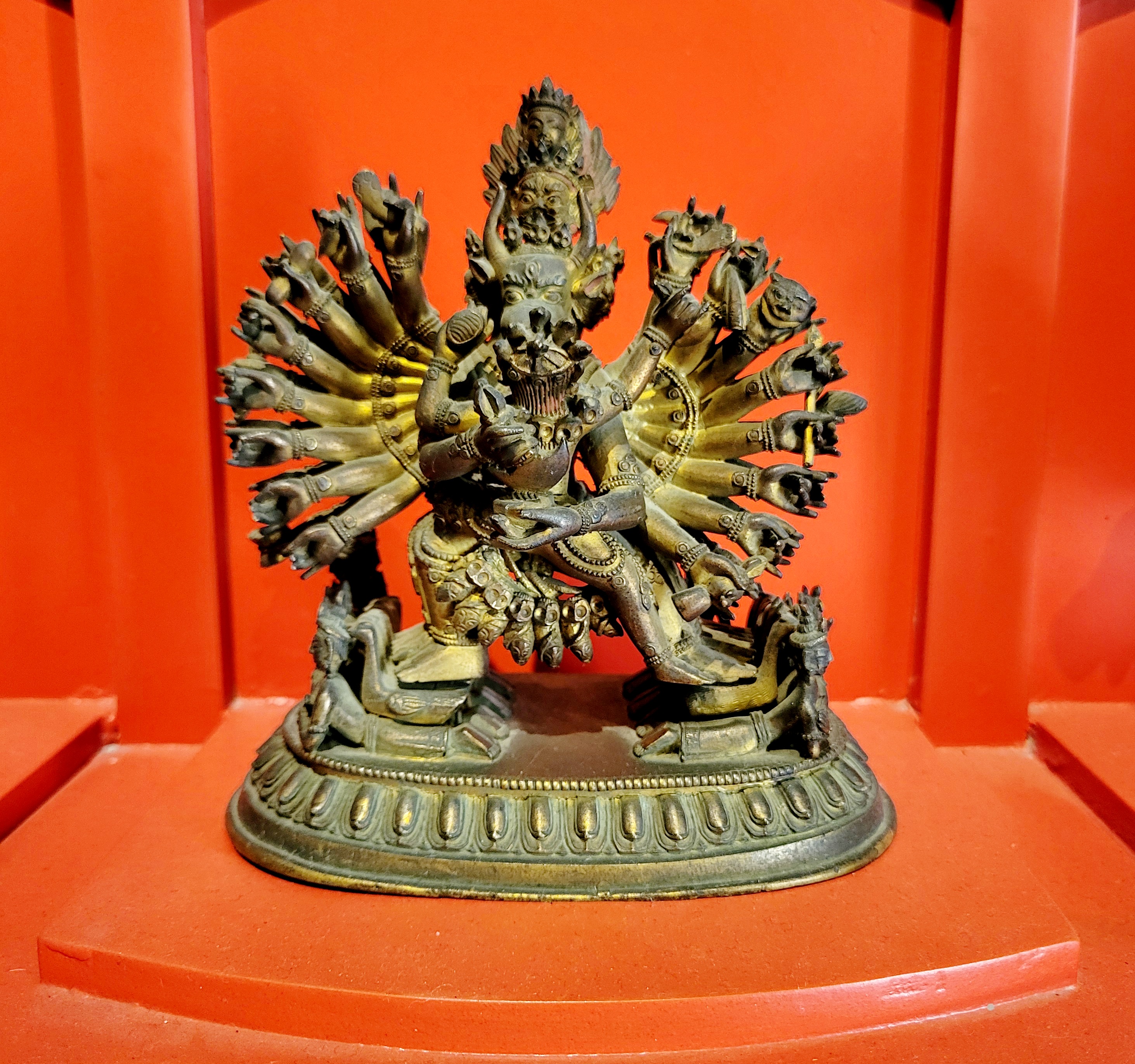
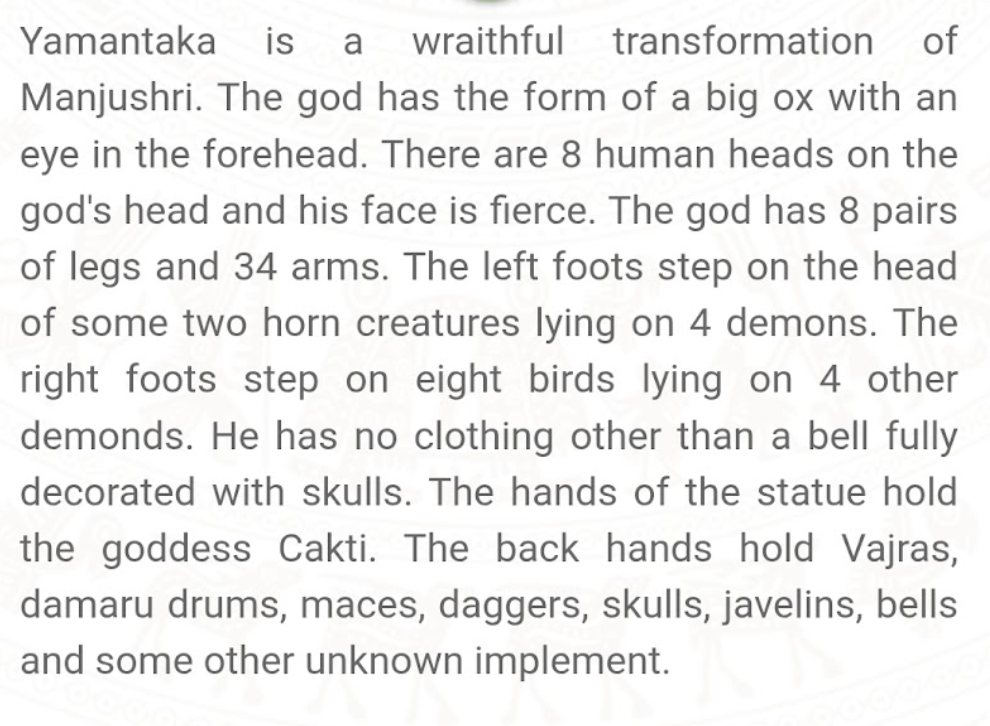
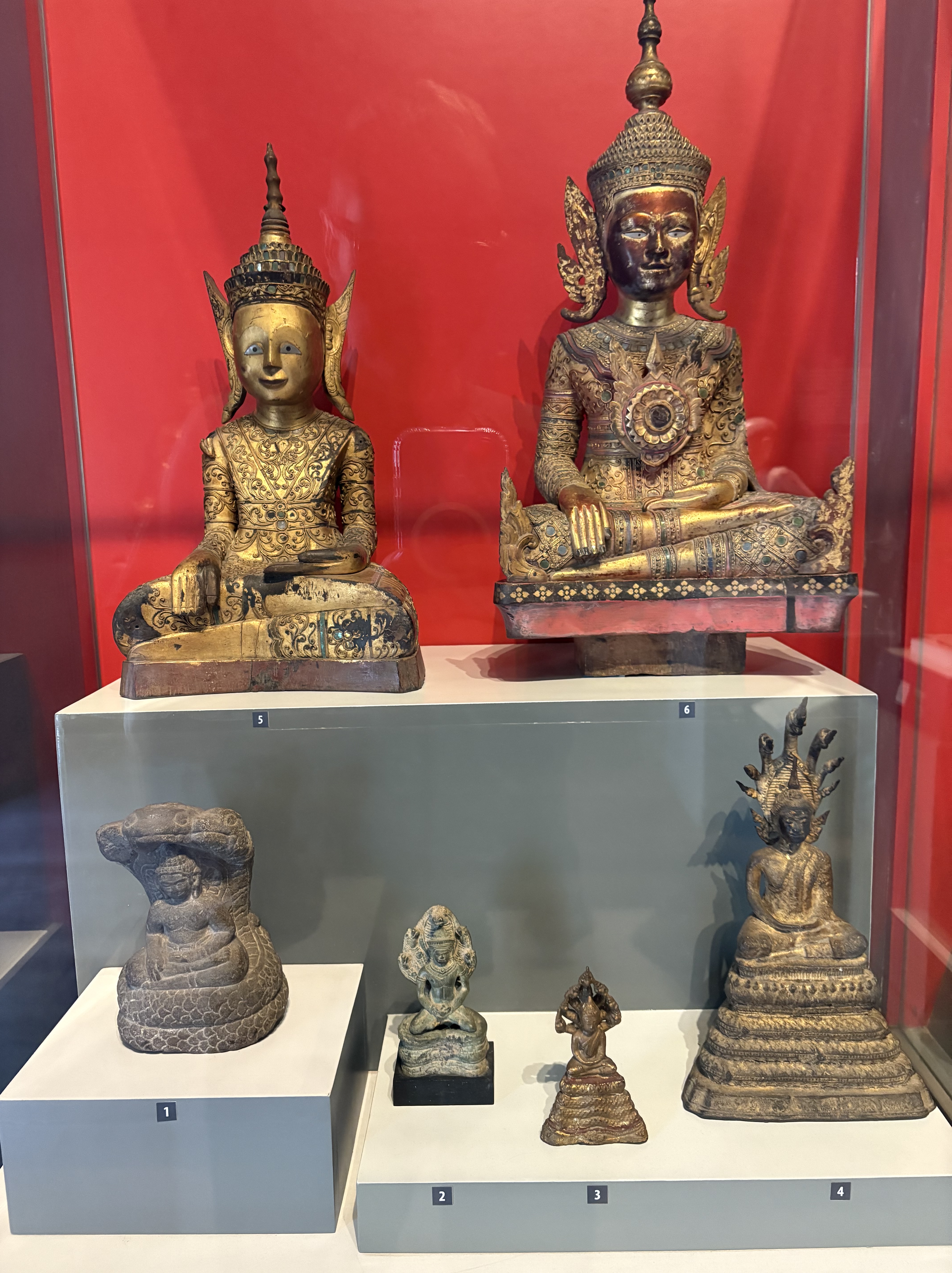
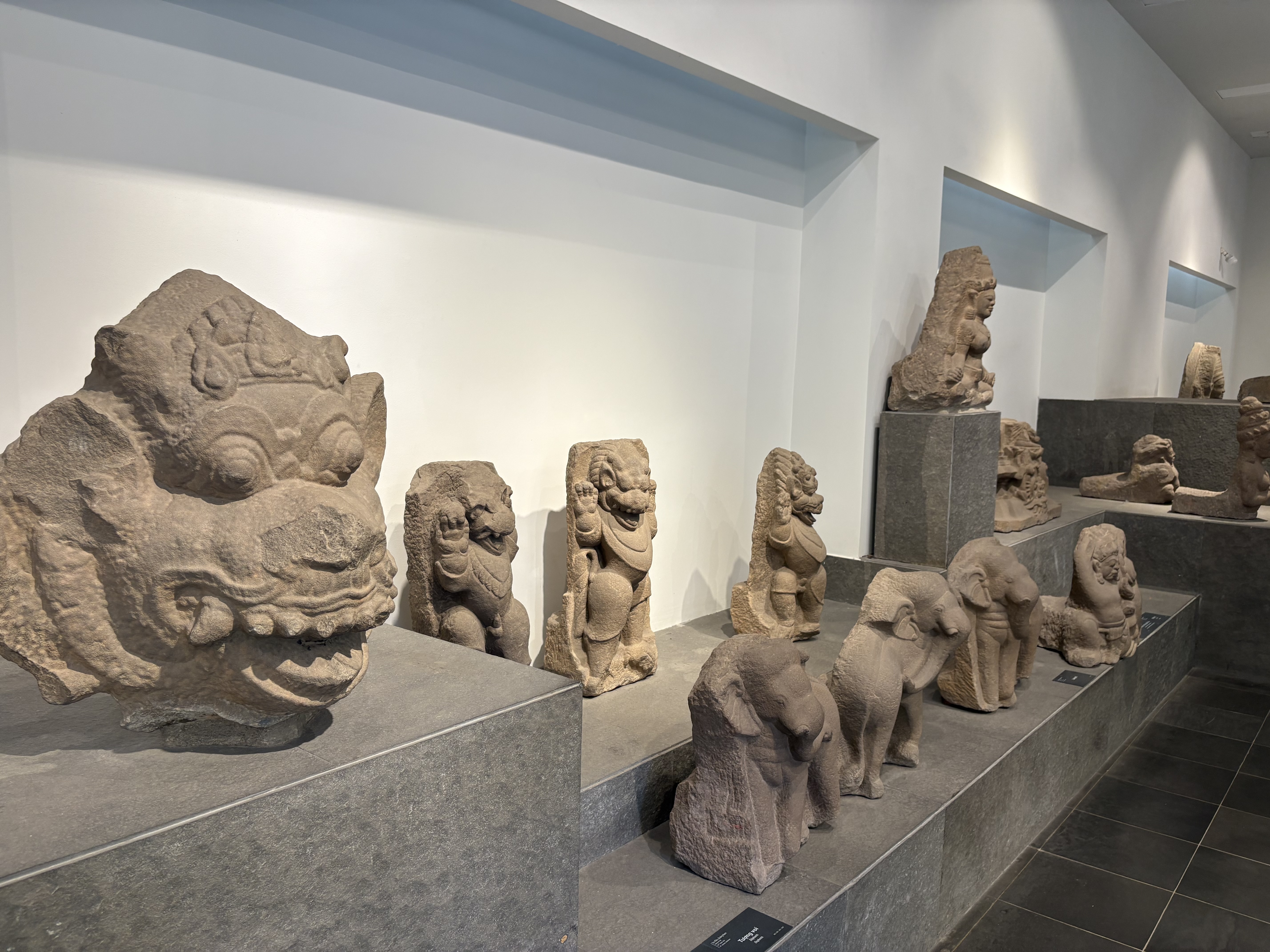
Here are some of the historical artifacts we managed to explore while navigating around the crowd of students. The statue in the top left caught our attention in particular because multi-limbed figures are often representations of Hindu deities or a bodhisattva of compassion. Yamantaka is neither of those.
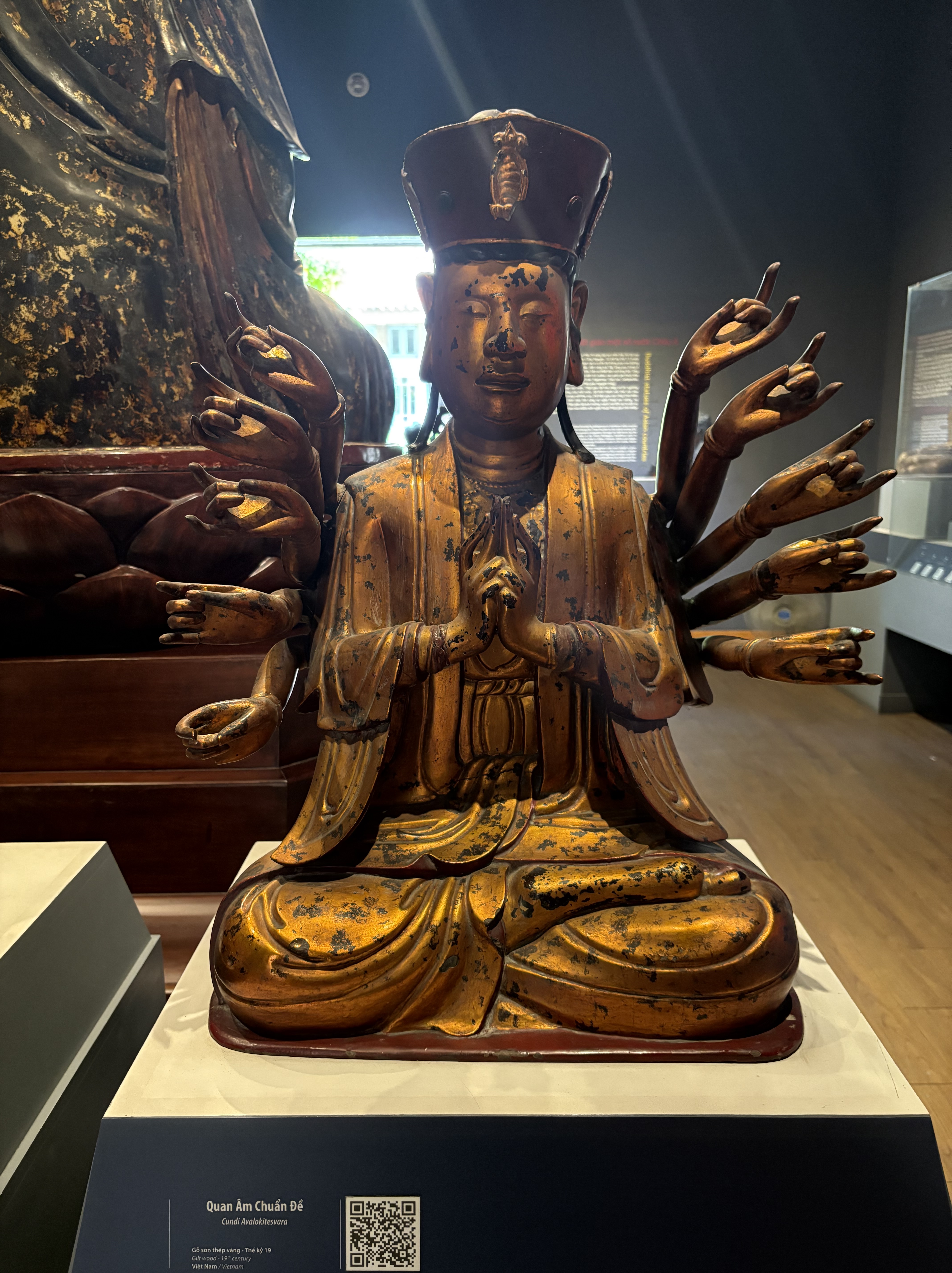
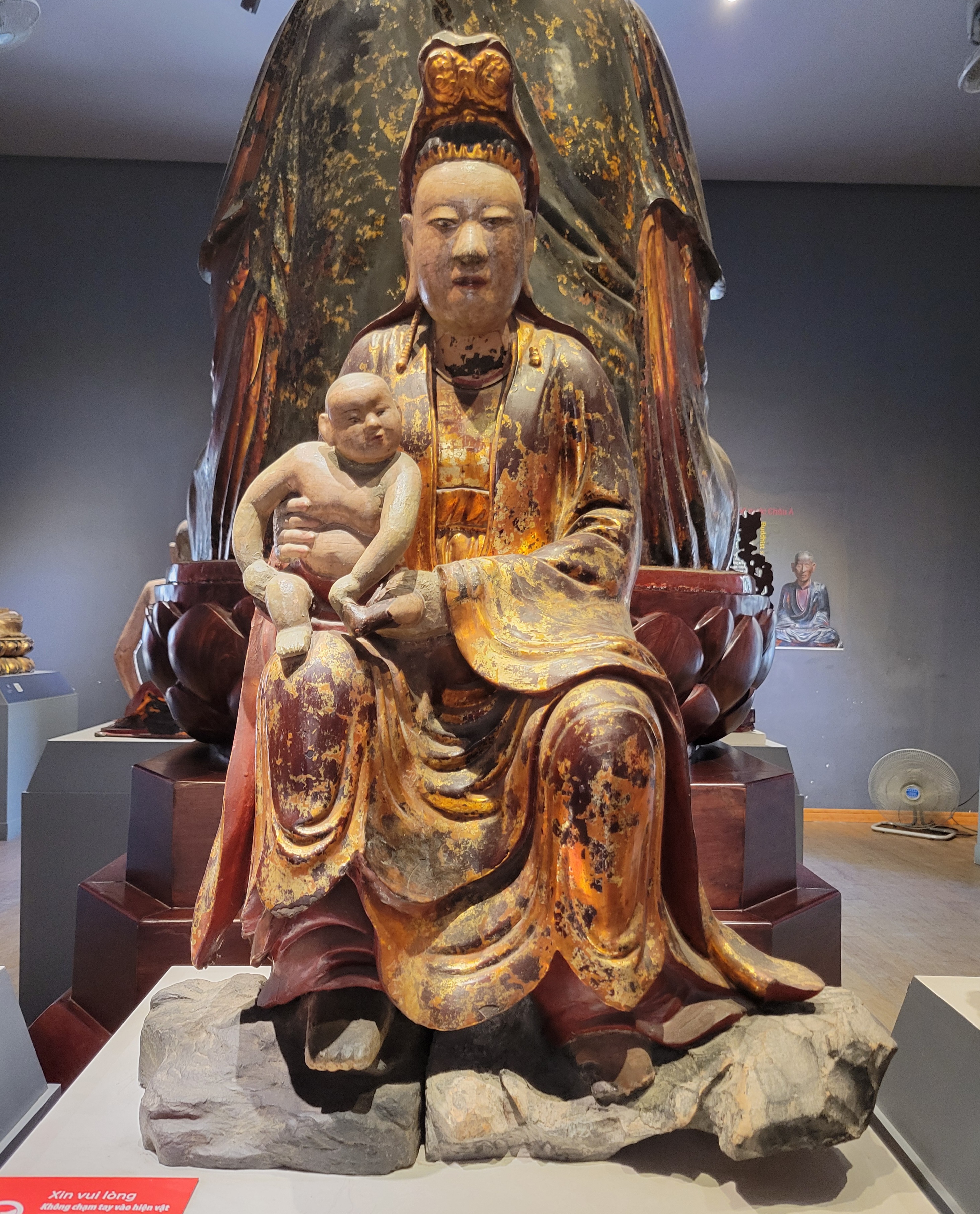
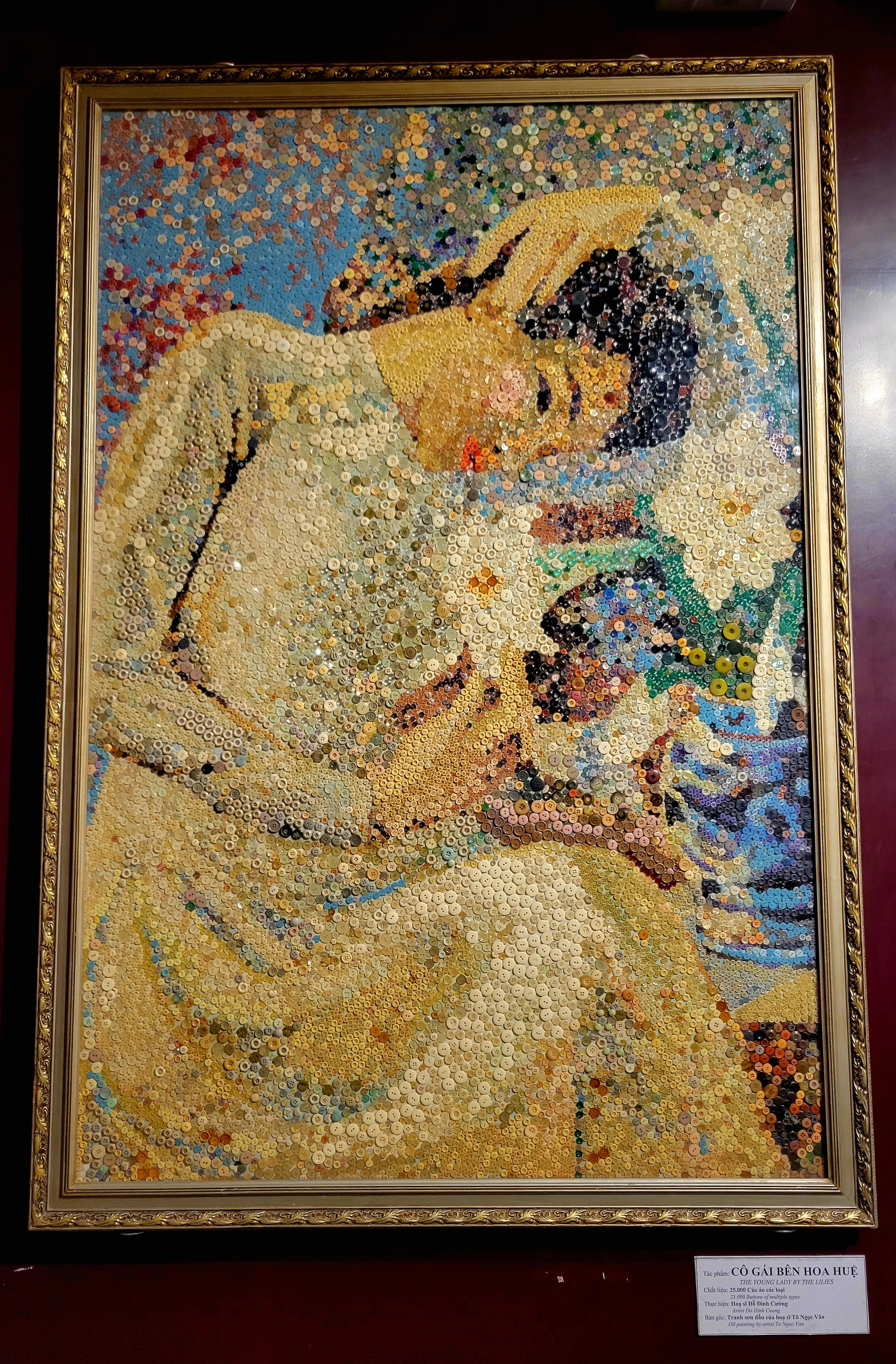
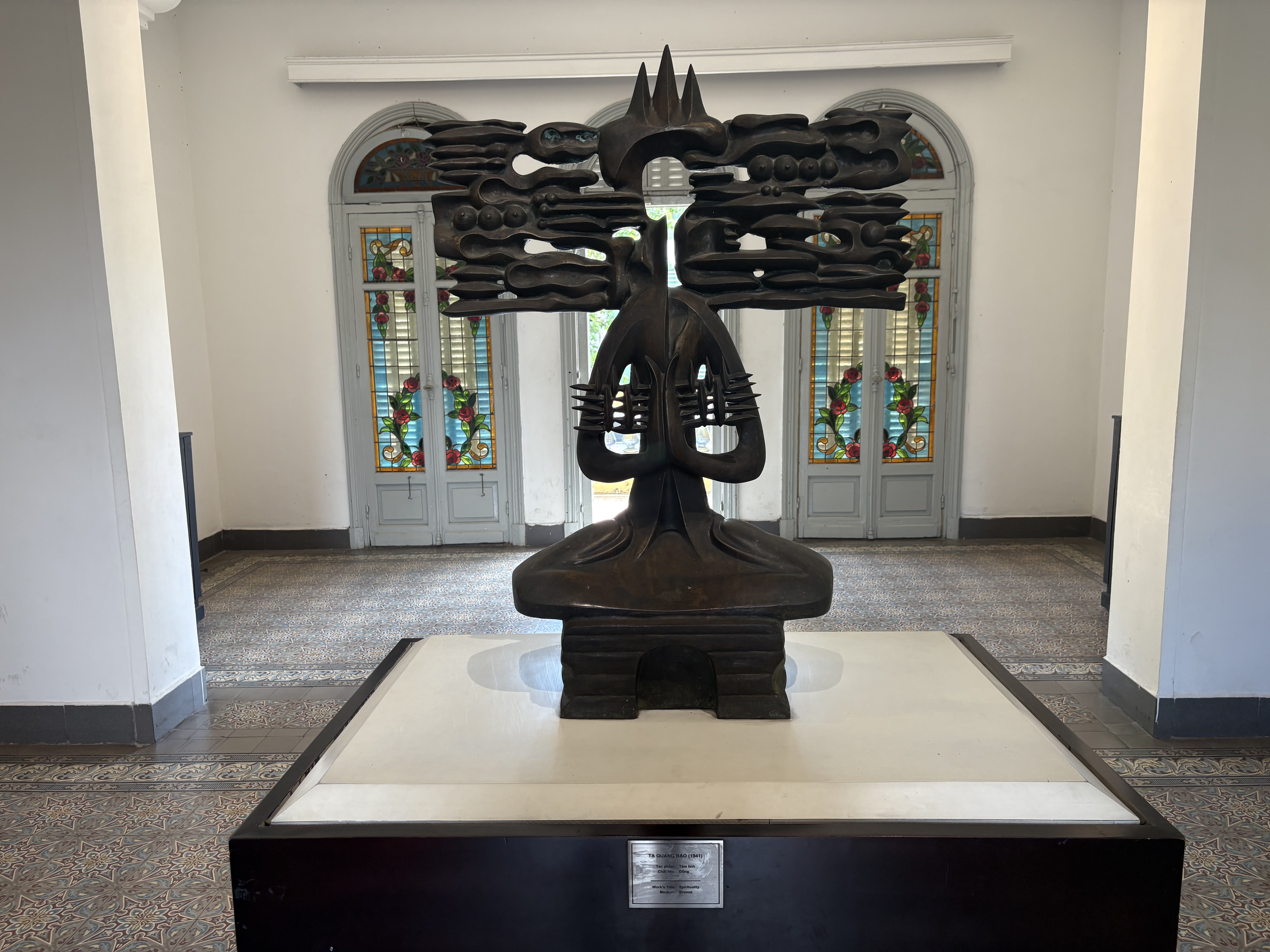
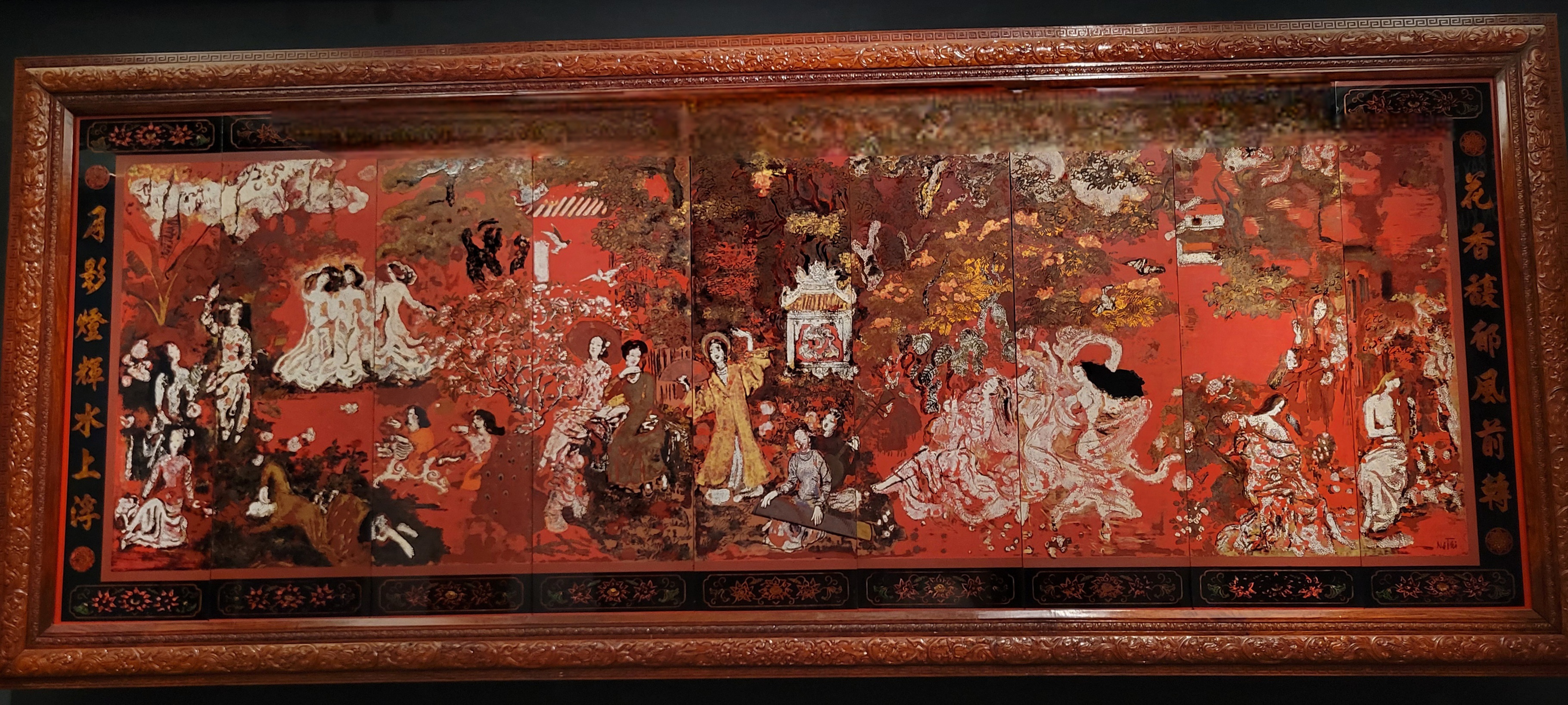
Next, we explored the HCMC Fine Arts Museum. One exhibit showcased sketches themed around the “Southern Resistance War,” while other galleries featured rotating collections of modern Vietnamese artists.
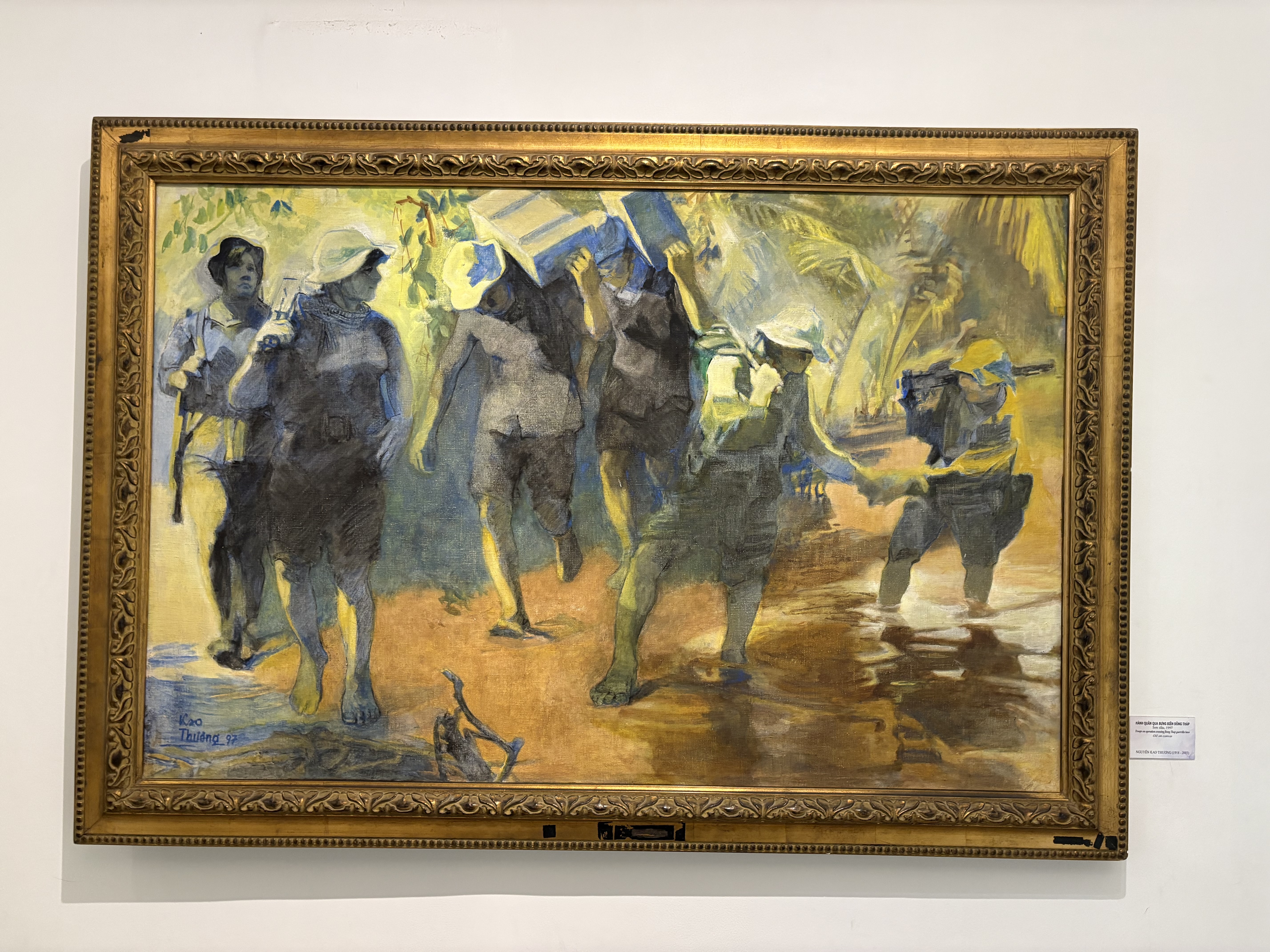
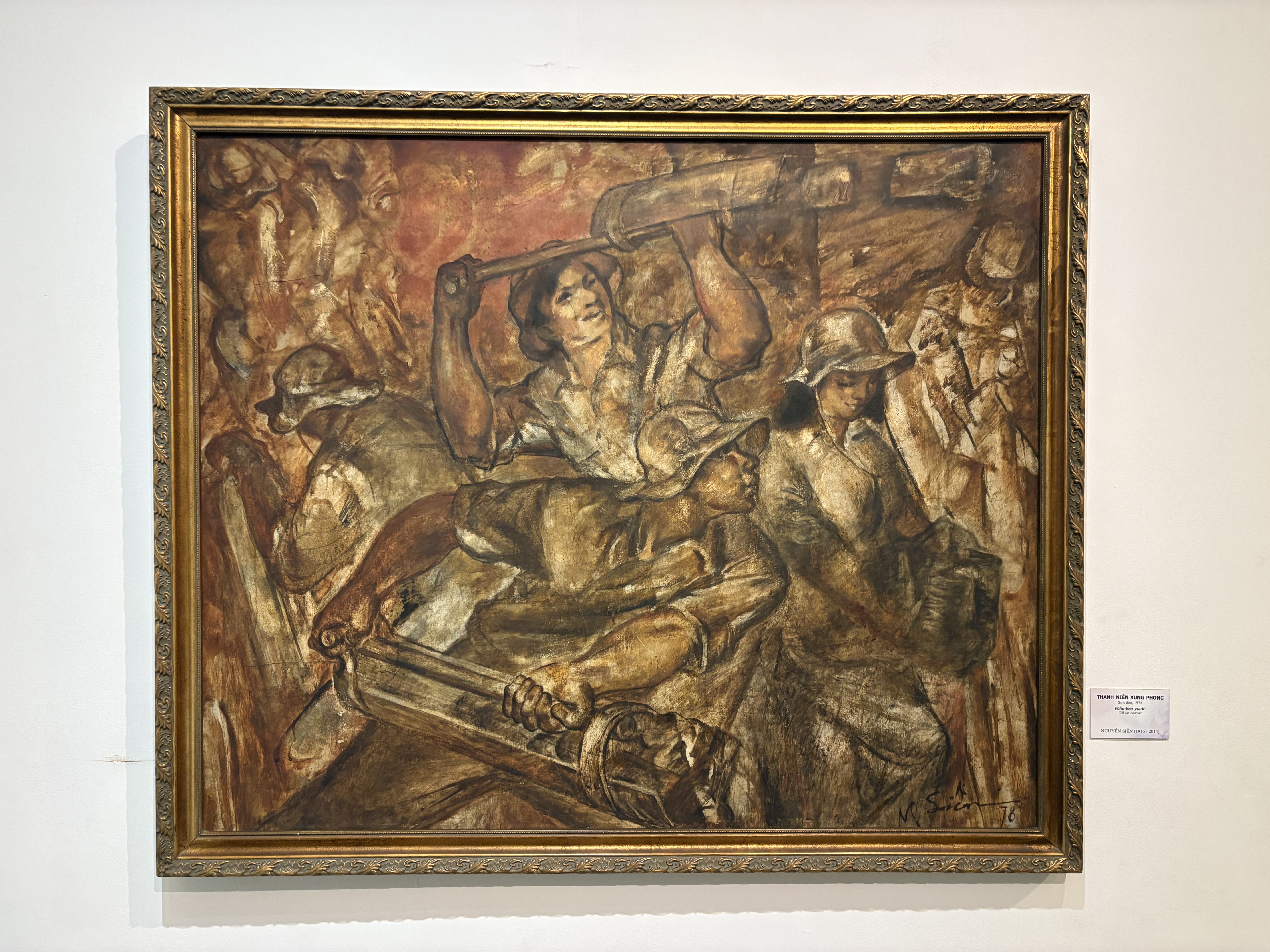
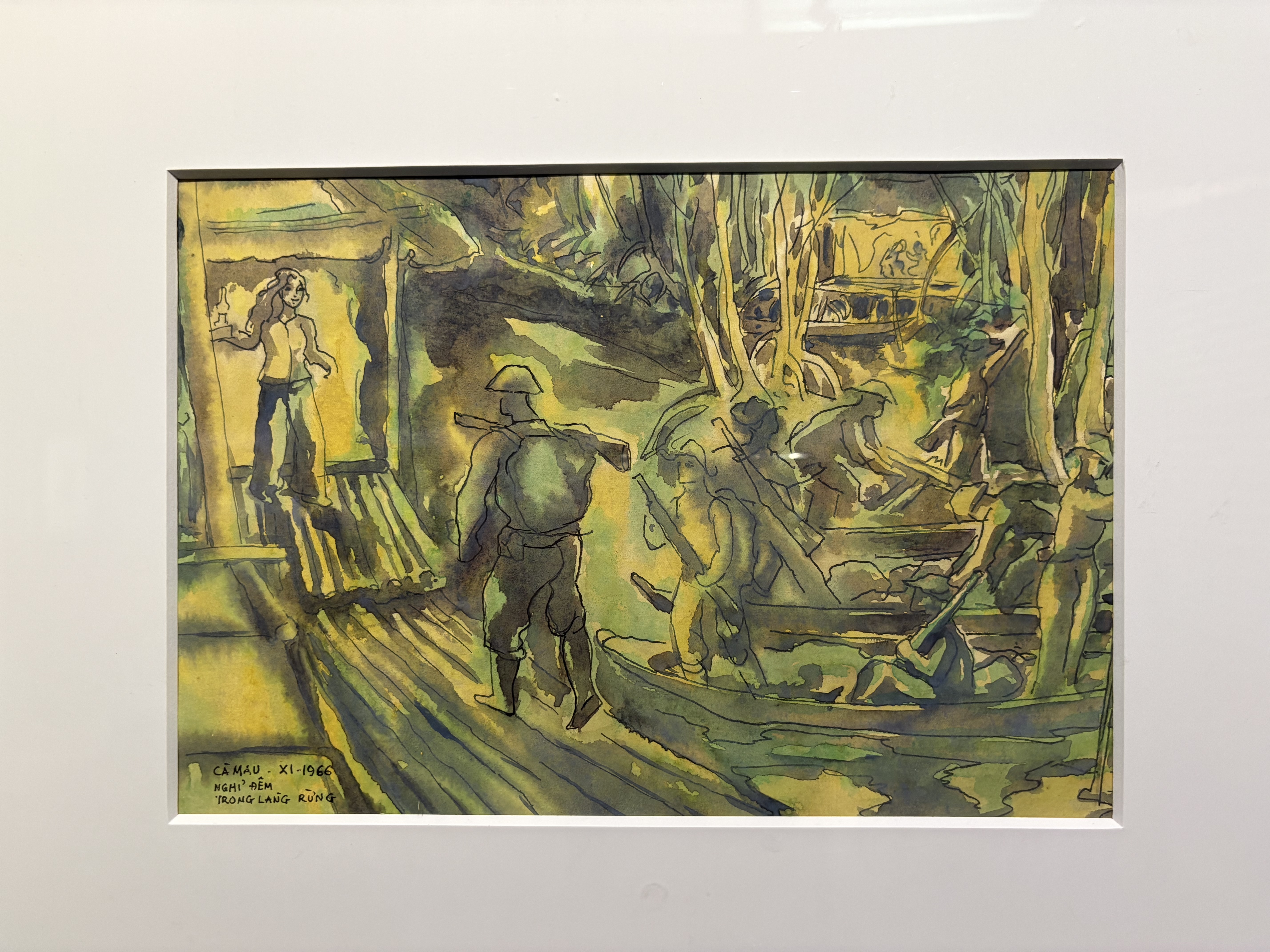
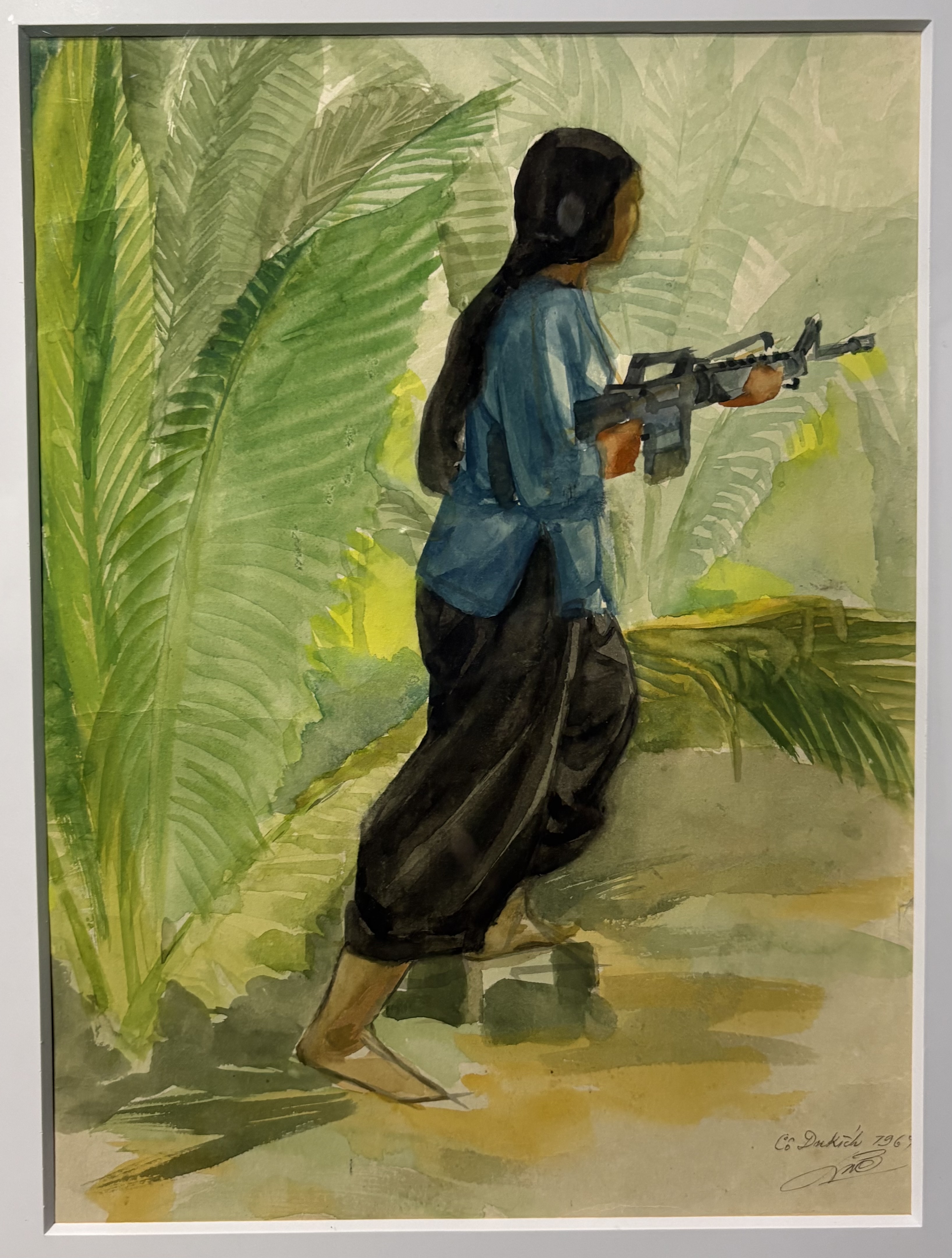
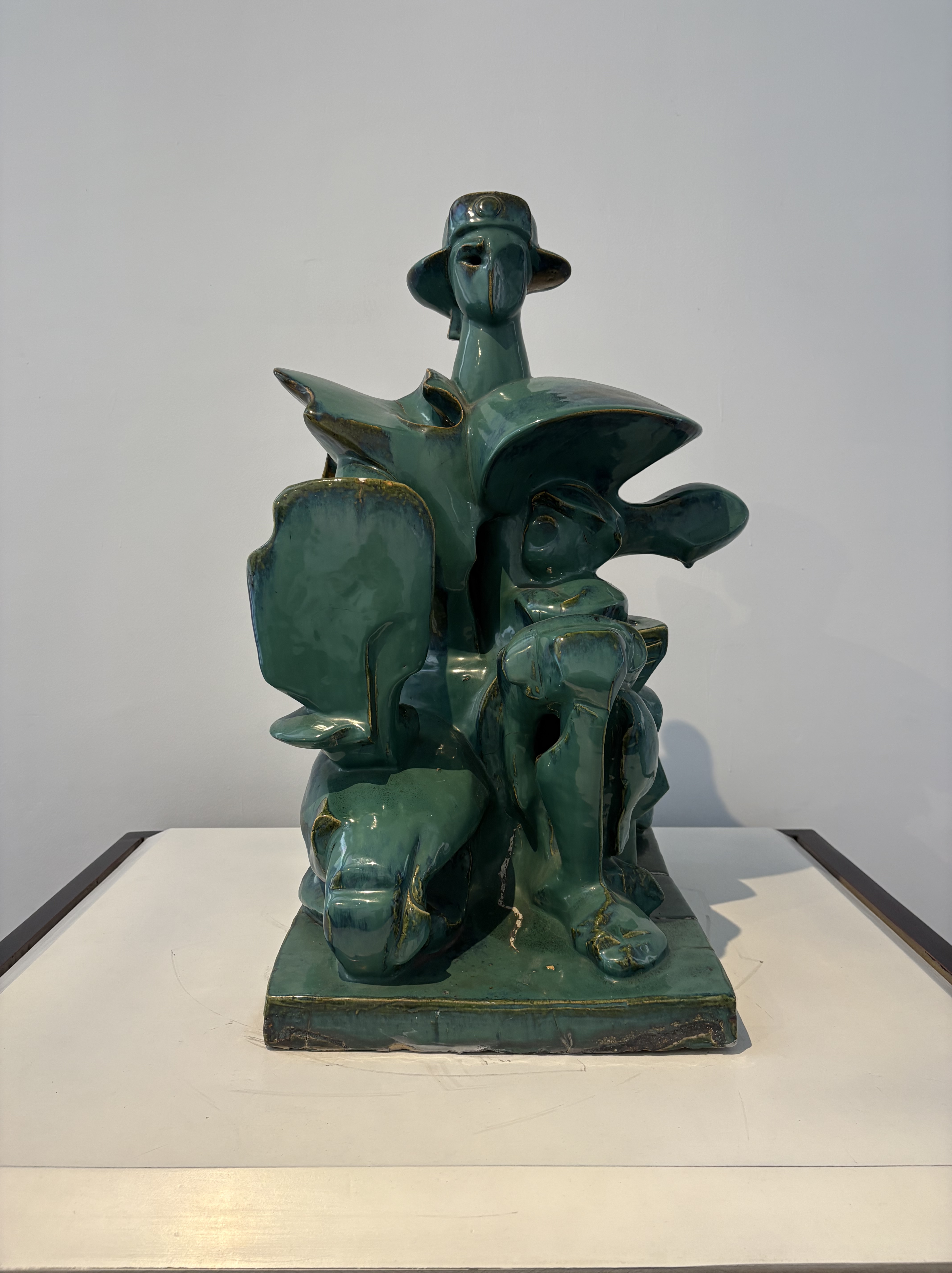
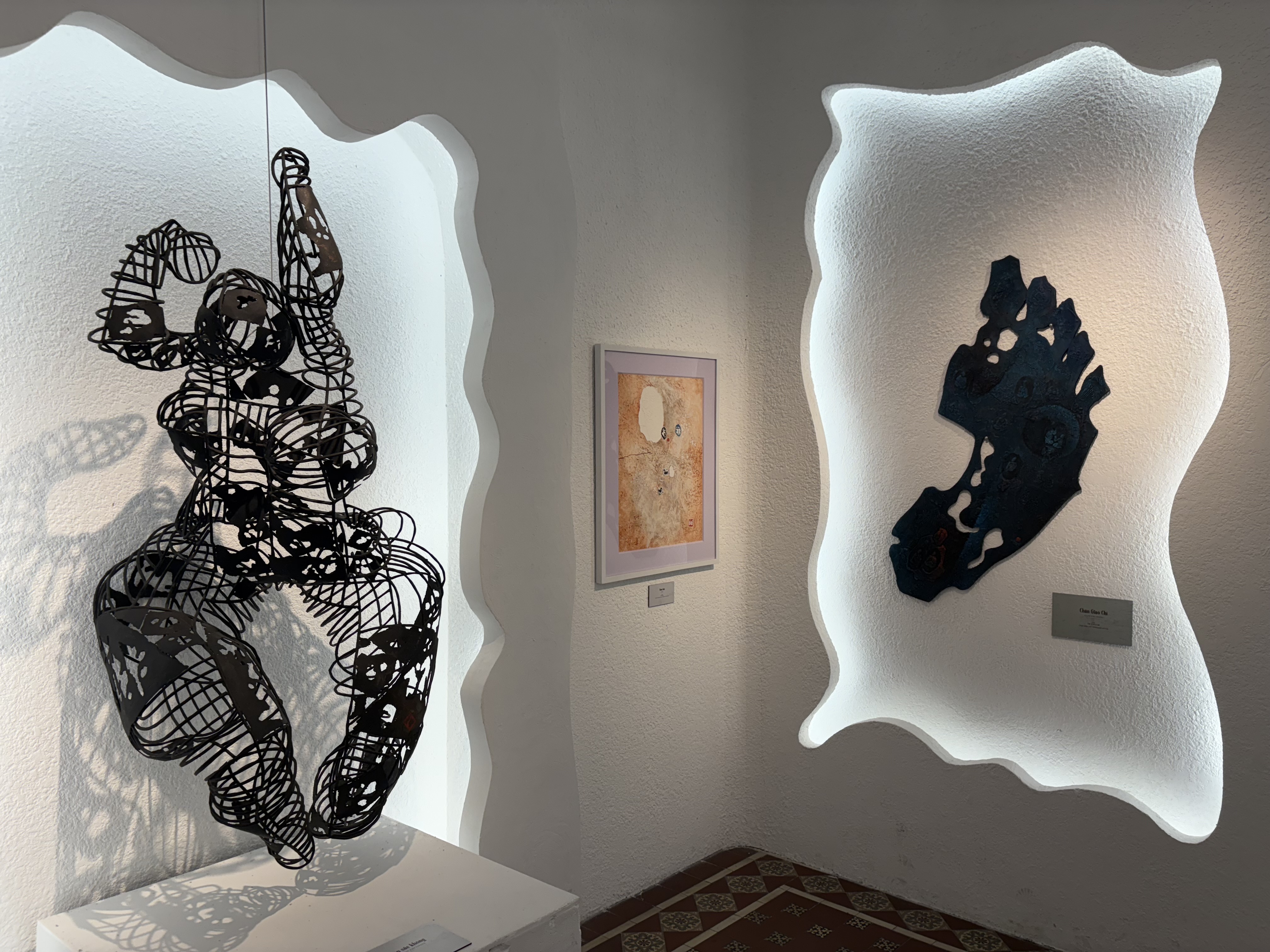
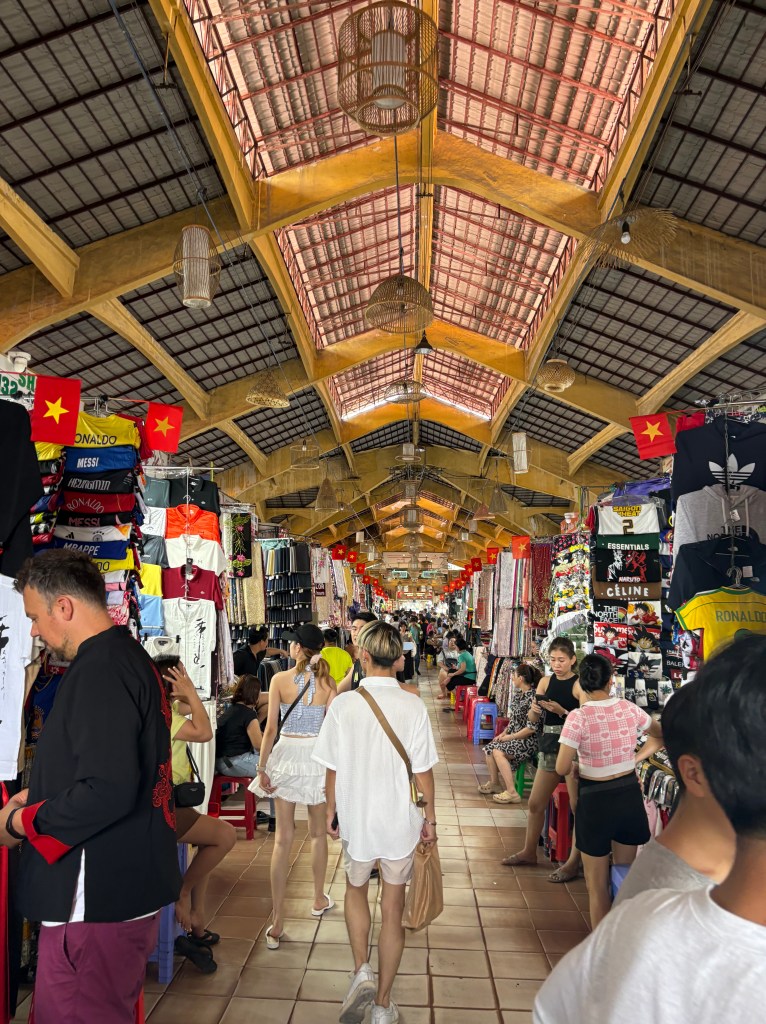
On our way back, we made a quick pass through Ben Thanh Market. Outdoor markets have been a recurring recommendation in nearly every city we’ve visited.
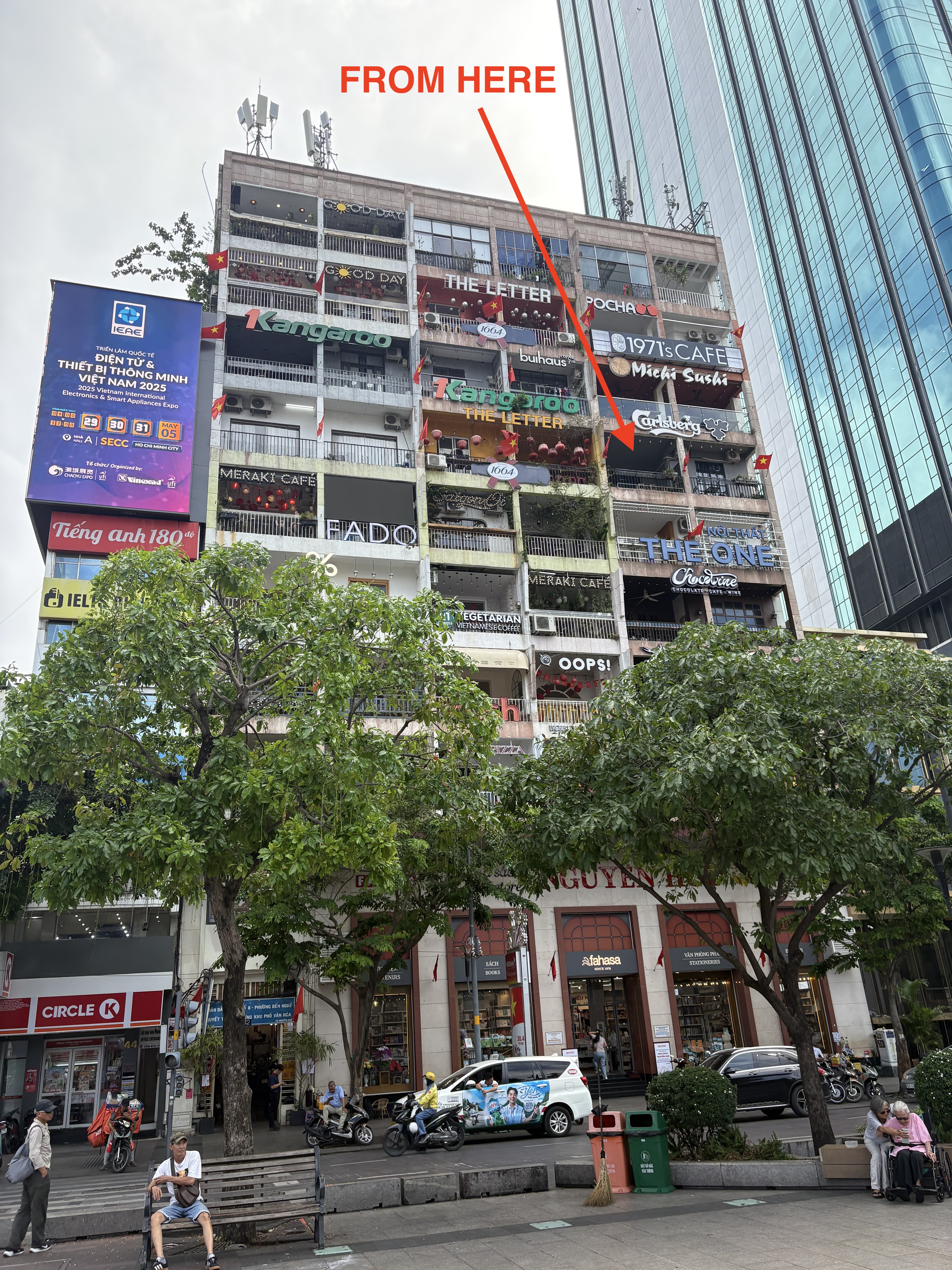
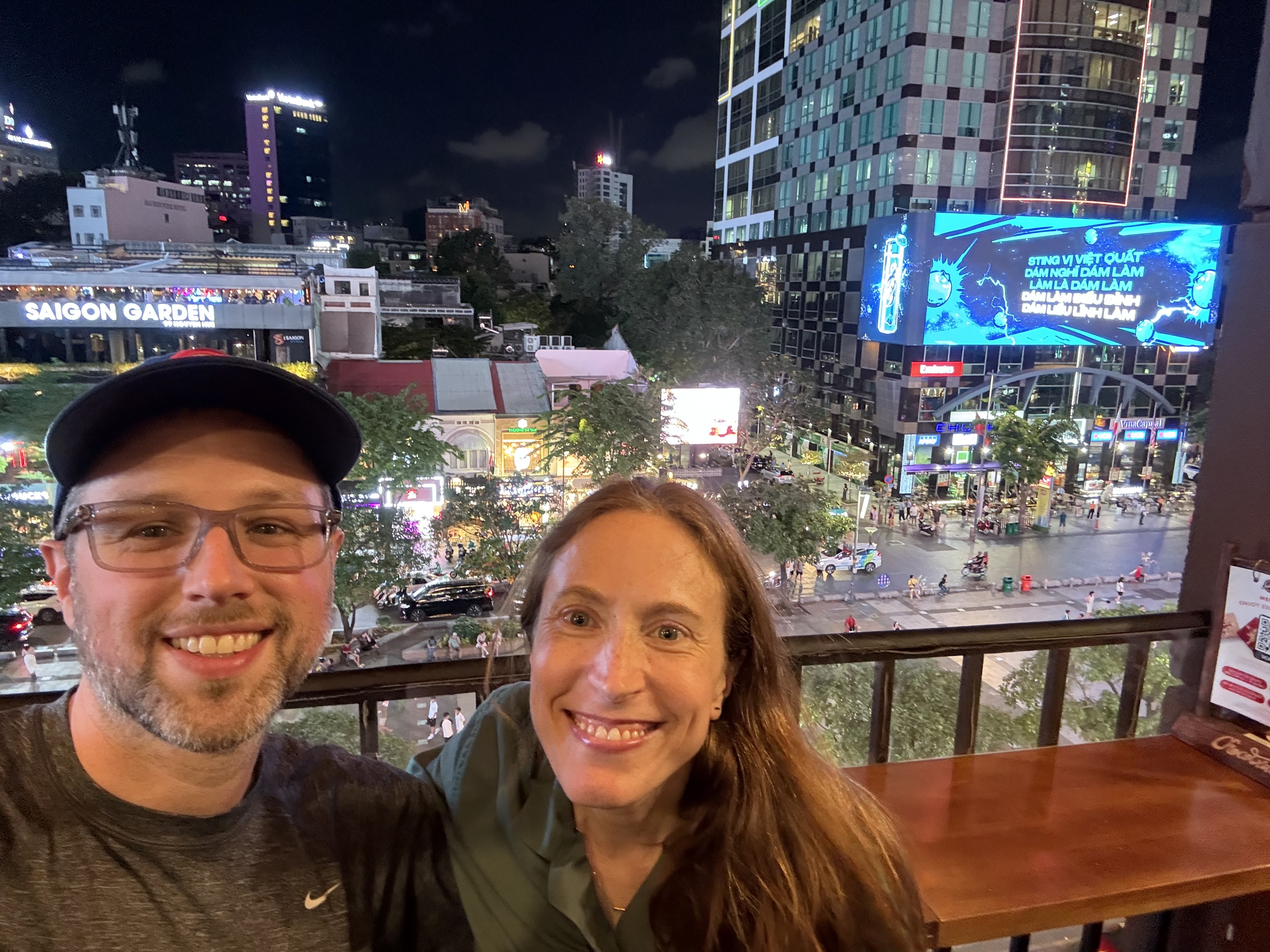
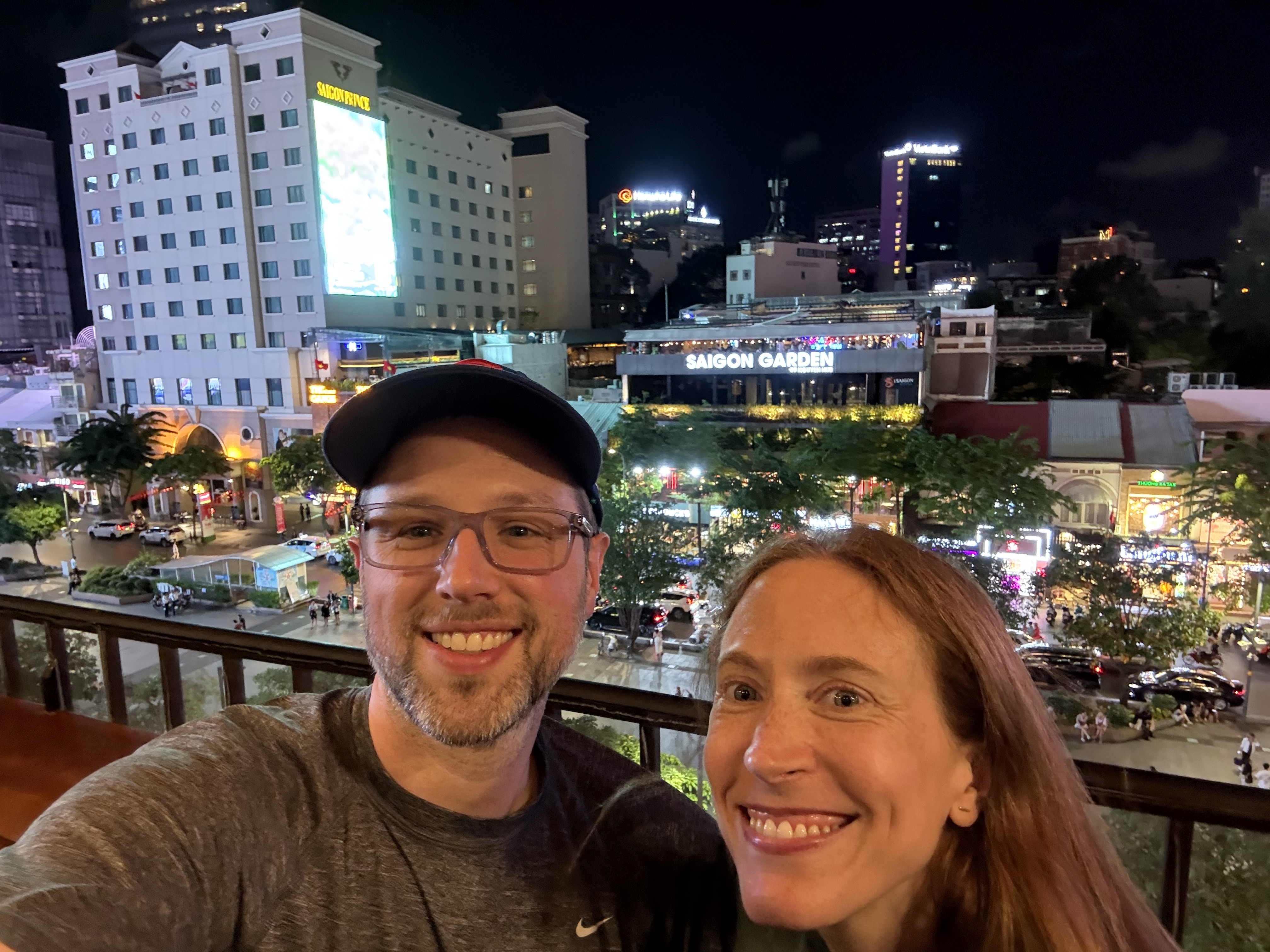
It’s hard to believe we’re already a month into our trip. We wrapped up our time in Saigon with a drink on a balcony overlooking the rhythm of Huế Street: mopeds weaving through traffic, locals chatting on low plastic stools, and huge 3D billboards that spark our recurring conversation about the duality of capitalism and communism in Vietnam.
 Kelly and Garett Get Away