
Garett and I have spent the past 5 days in Sofia, the capital of Bulgaria.
On our first day we did a free tour of the city. We really can’t recommend this highly enough. The tours usually happen every single day in the morning, are tip-based, and have great guides. They are particularly valuable if it’s your first time somewhere or if you don’t know much about a place.
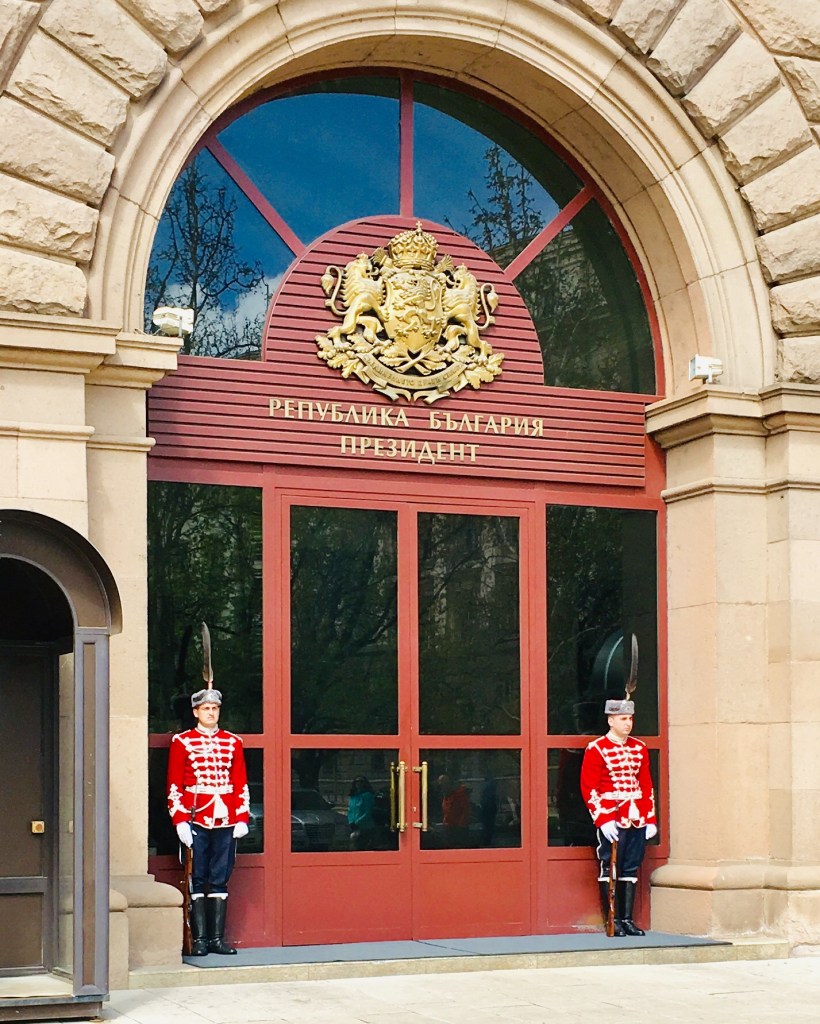
You can learn some great stories from the guides. For example, do you see the eagle feathers on the guards’ hats below? When people first were training to be guards back in the day, they had to obtain the eagle feathers by themselves as their Final Task before initiation. This means they had to climb onto a mountainside cliff and into the eagles’ aeries! So cool. It sounds just like a task in some fairy tale.
During the tour, we learned a lot about the remarkably mixed history here in Bulgaria. You can skip the list if it seems boring and just look at the bold portions. Starting out, they were the ancient Thracians, one of the areas dominated by the ancient Greeks (Orpheus’ homeland!); then in 45 CE, they were conquered by the Romans, then became part of the Byzantine half of the Roman Empire, then kind of under their own governance, then they were ruled by the Ottomans, then dominated by the Russians and communism. For those of you counting, that’s a lot of official state religions–Paganism, Christianity, Islam, and Atheism. Now most people in Bulgaria identify as Greek Orthodox.
Because of their history, there are so many religious buildings and monuments throughout the city!
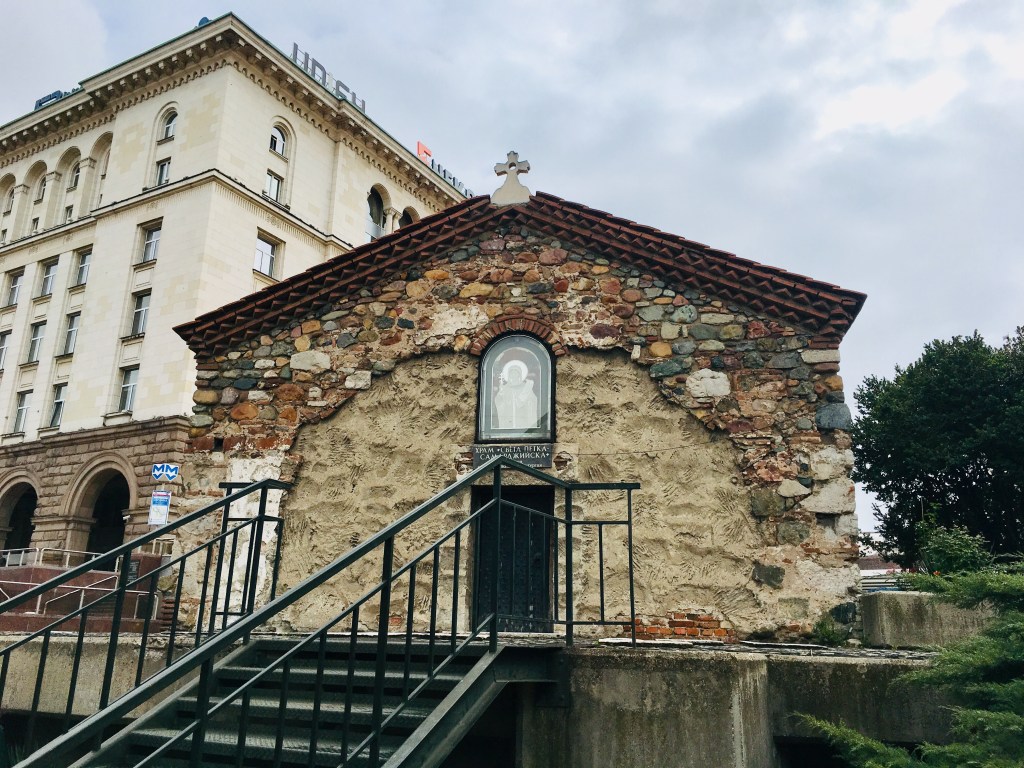
First, the church of St. Petka from the 14th century. This one is located in the middle of a subway station and it was built on top of a Roman religious building. The picture is kind of bad, but I love the multi-colored stone.
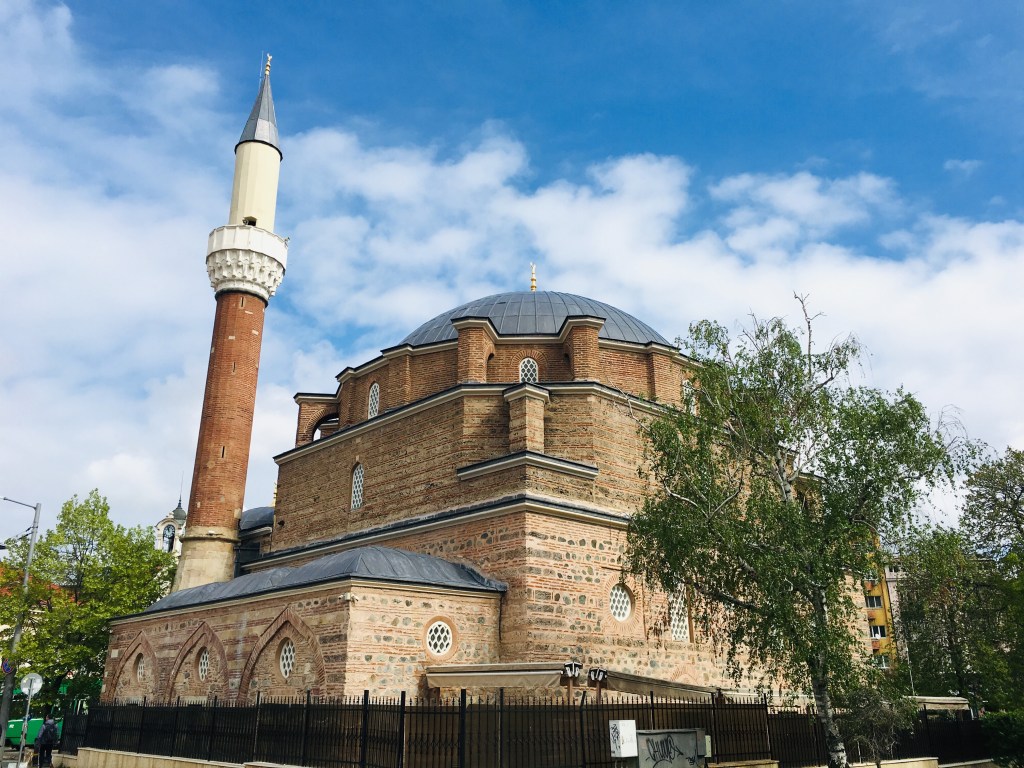
The Banya Bashi Mosque built by the Ottomans in the 16th century.
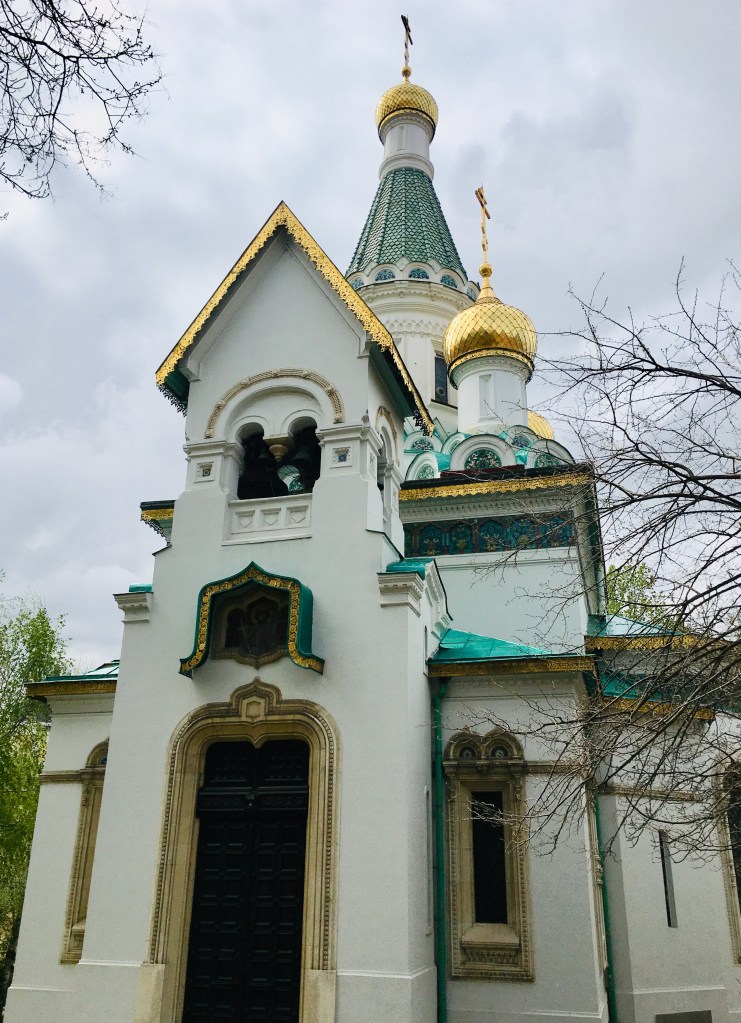
The Church of St. Nicholas the Miracle-Maker. People come here to make wishes! Before his death, this church’s Archbishop Seraphim promised that he would speak to God on behalf of anyone who came to worship at his church. People still come today to leave notes and petition the Archbishop. The guide said all the wishes that he had made here had come true.
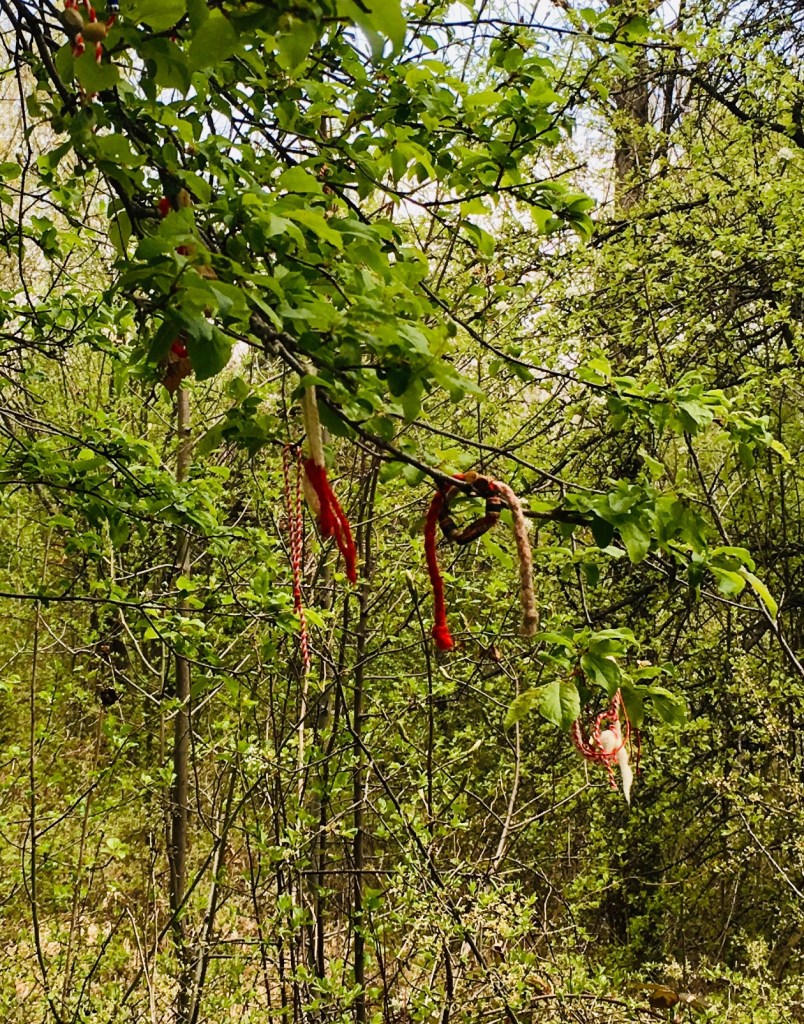
They also follow some Pagan traditions. Check out the bracelets on these trees. Each March 1st, Bulgarians give each other these red and white bracelets to herald the coming of spring. Sometimes people receive so many that they have bracelets all the way up their arms! According to our guide, the red and white represent the fertility of the male and female. Bulgarians wear these until there are definitive signs of springtime–the storks and other birds return, there are flowers and the trees are budding, etc. Then they tie their bracelets to fruit-bearing trees to promote luck and prosperity.
Finally, the monuments to Communism. Garett and I went to the TI on Tuesday and a man working there told us about this children’s bell sanctuary, Kambanite Park, set up by the communists. Luckily, he said, it is located just outside of the main part of the city and easy to visit. Garett and I like socialist propaganda and logistical challenges, so we decided to go for it.
After a long fight with the Cyrillic alphabet, we made it to the vicinity of Kambanite. It’s located in the middle of a business district–one of those business “parks” where all you can see are offices for miles. Our stomachs were rumbling a bit, so we ended up wandering into a canteen filled with chain-smoking Hewlett-Packard employees. The canteen had a surprisingly substantial salad selection and Garett ate some nice chicken. After lunch, we walked up the hill.
Look at this monument! There are bells from all over the world, sent by different countries in the name of peace and children’s welfare. You can actually ring the bells.

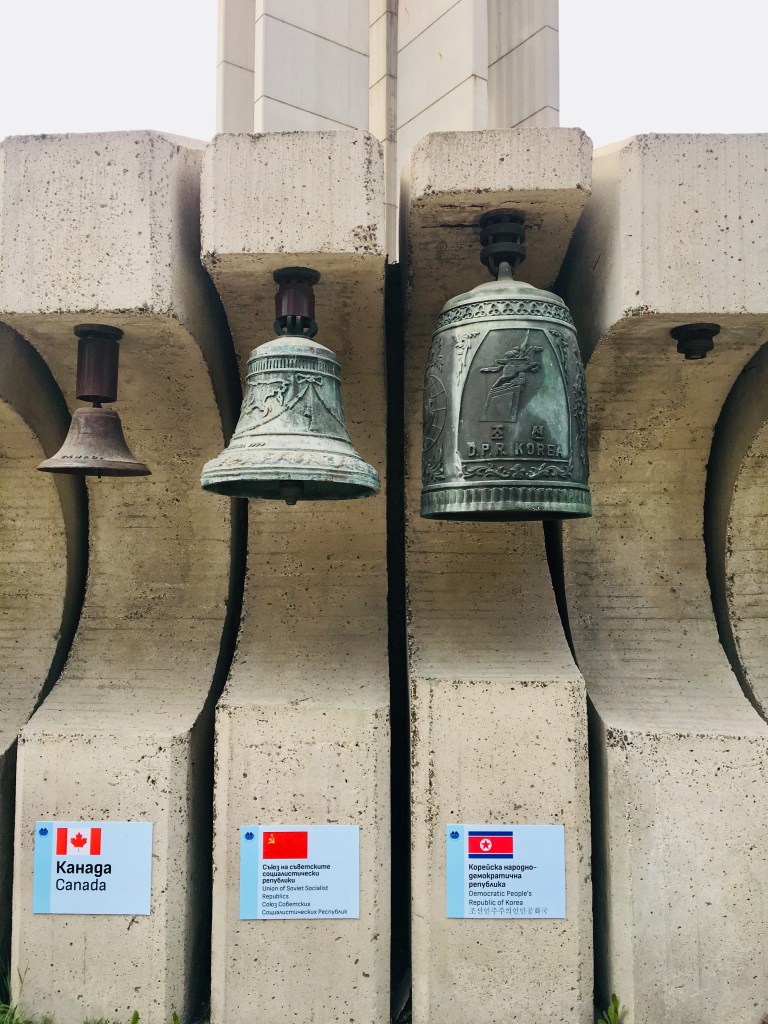

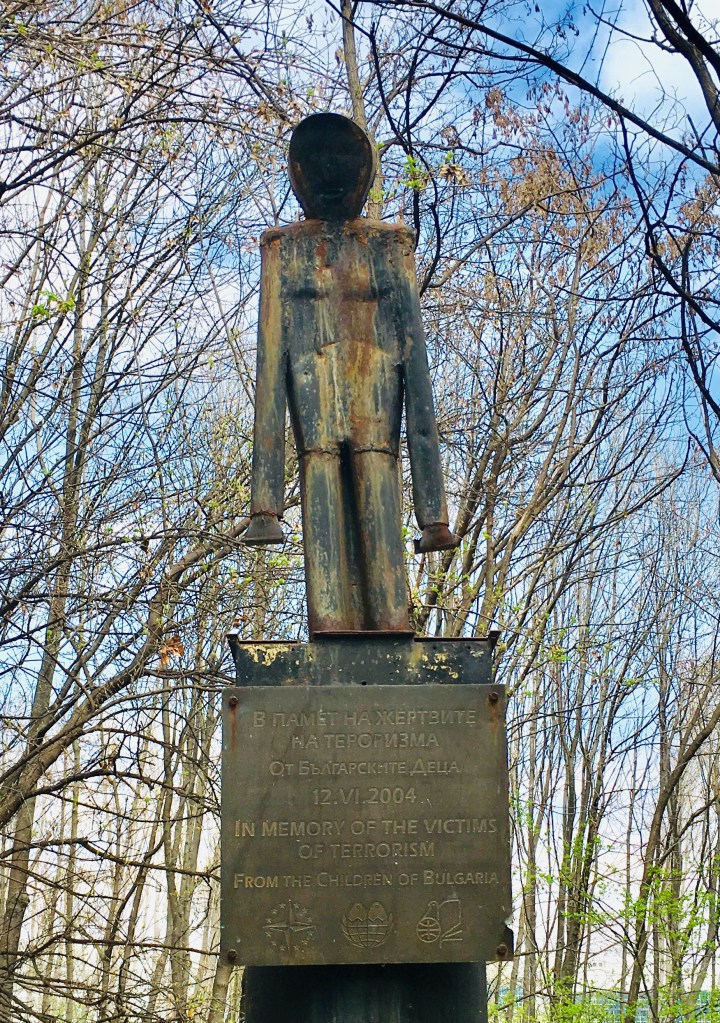
As an aside–I feel like one of Communism’s problems is that it doesn’t take people as they are (it assumes everyone likes to share!). This monument, for example, is for children. Ringing the bells is pretty fun, but do you see any other child-friendly area or activity? Had the Communists ever met any children? Kids are not going to be super interested in the symbolism inherent in such a place, nor will they want to play on a bed of concrete. Anyway, not being children, Garett and I loved it. What a cool idea!
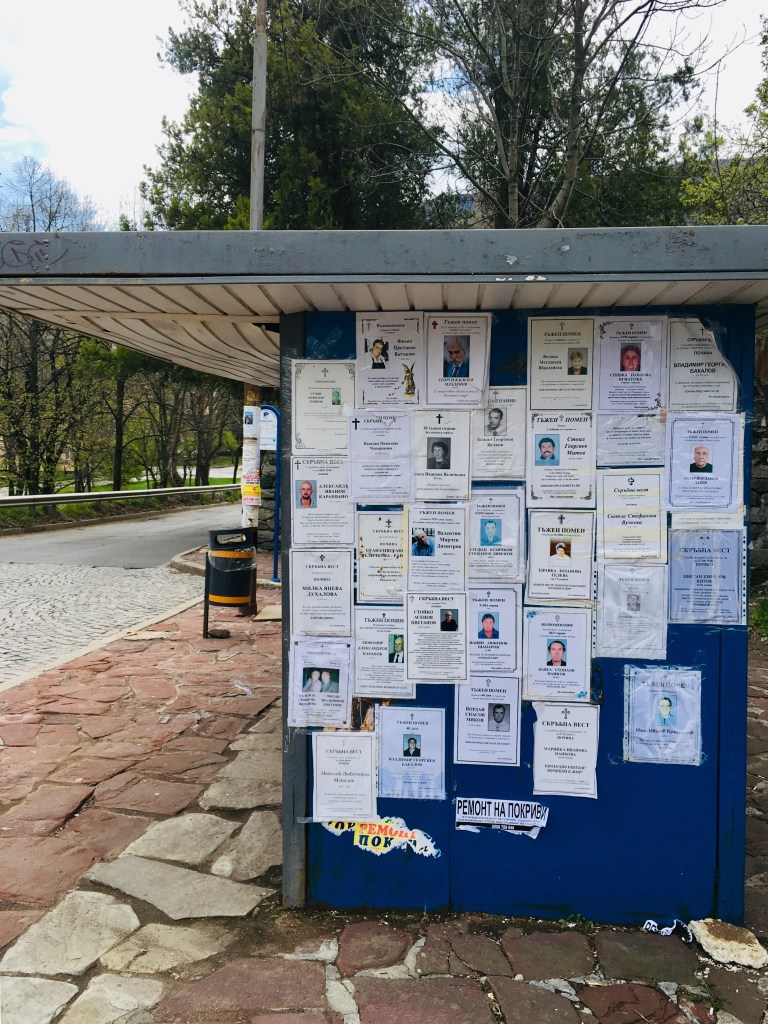
The posters below are Necrologs! At first, I though they were wanted posters, like at the post office in the US. When I noticed a lot of these people were older and decidedly honest-looking, I looked up the practice. Necrologs have a picture of a deceased person, the date of their death, age, and a little bit about their lives. One cool thing is that they aren’t just put up right after someone dies; they are put up at varying intervals–3 months, 6 months, 1 year, and so on! What a lovely way to mourn and honor someone you’ve lost. We saw these at a random bus stop.
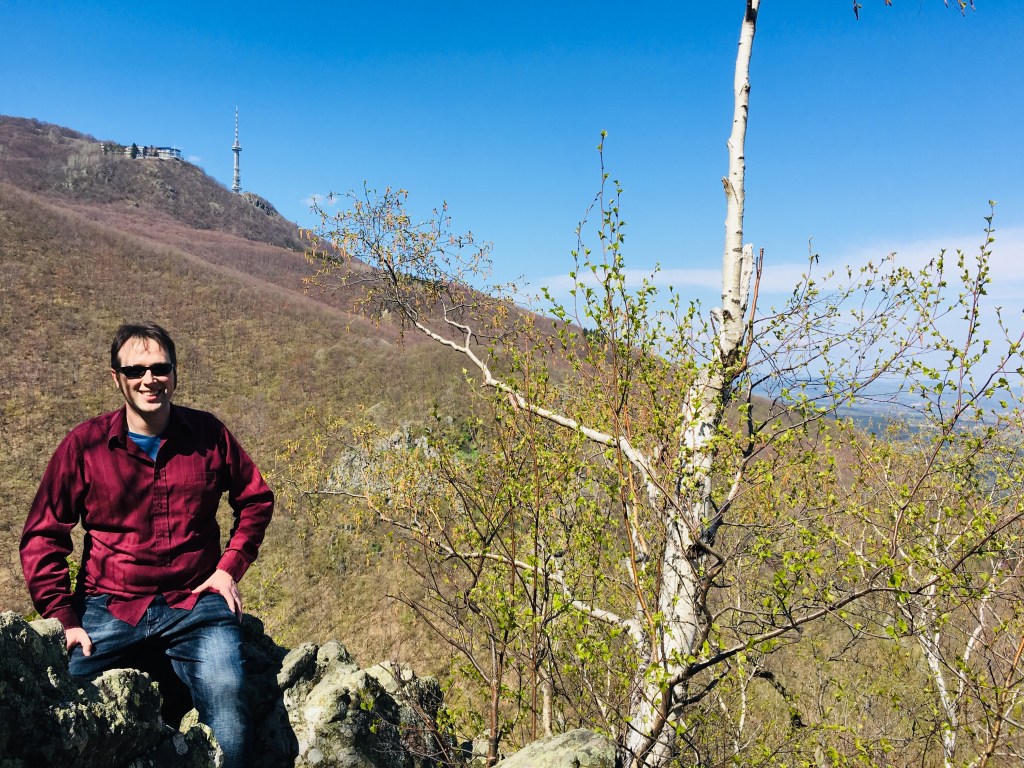
On Wednesday, we went to hike up Vitosha mountain just outside the city. Sofia is one of the few capitals in the world that doesn’t have a river running through it (there are hot springs below them, so they don’t need the river), but they do have this insanely large mountain looming over the city.
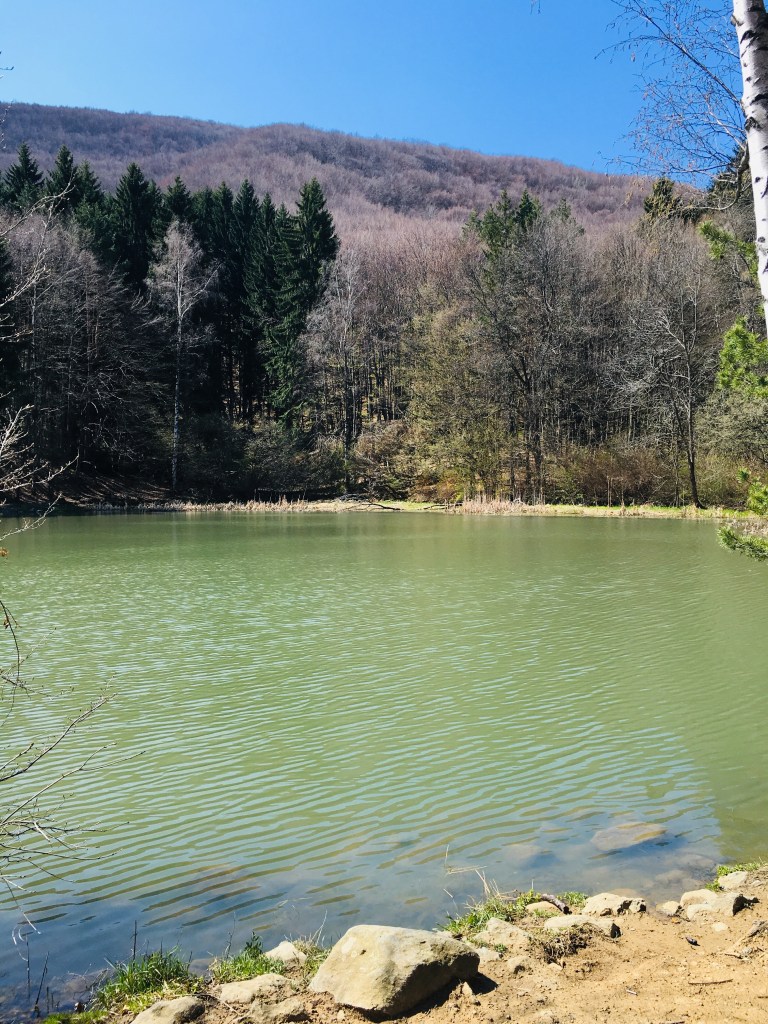
Several public buses and metros later, we made it to the mountain. I think Vitosha will be more beautiful in a few weeks but it was still nice for us to get out of the crowds and springtime always makes me feel excited.
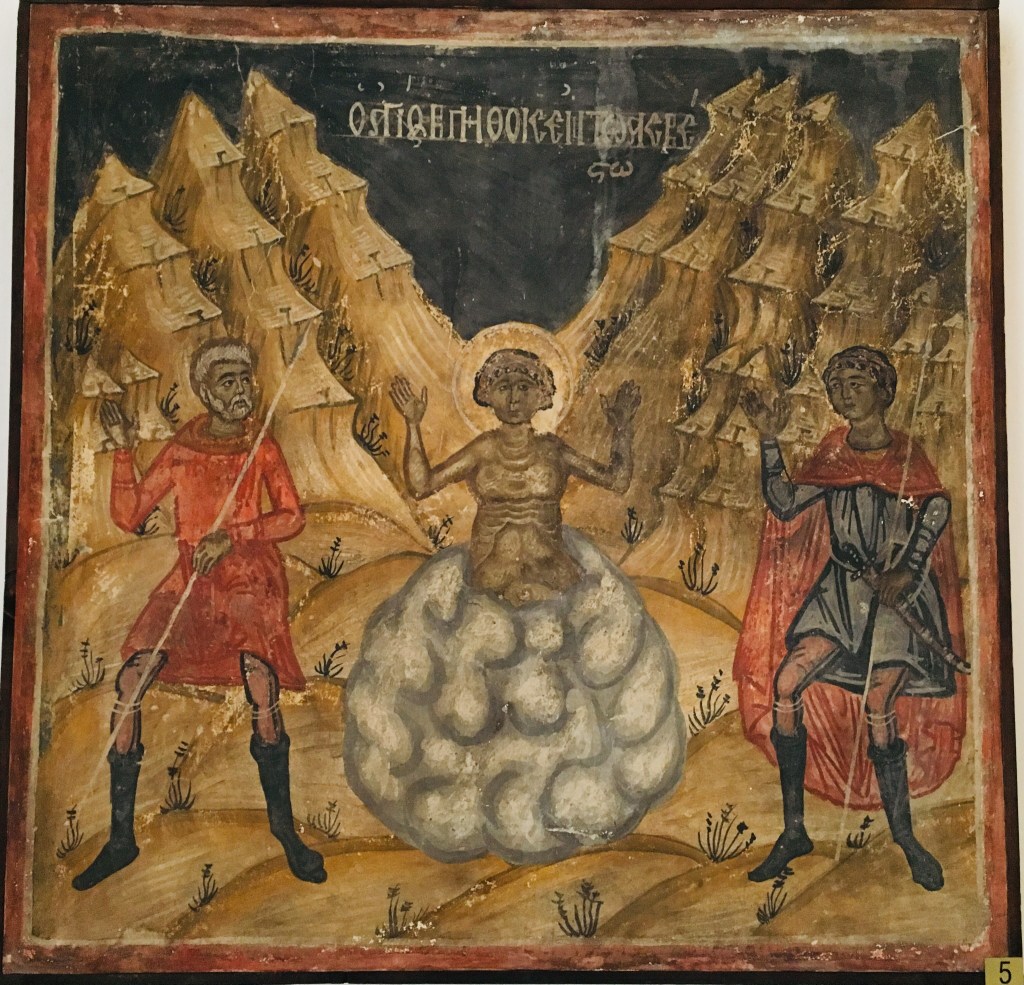
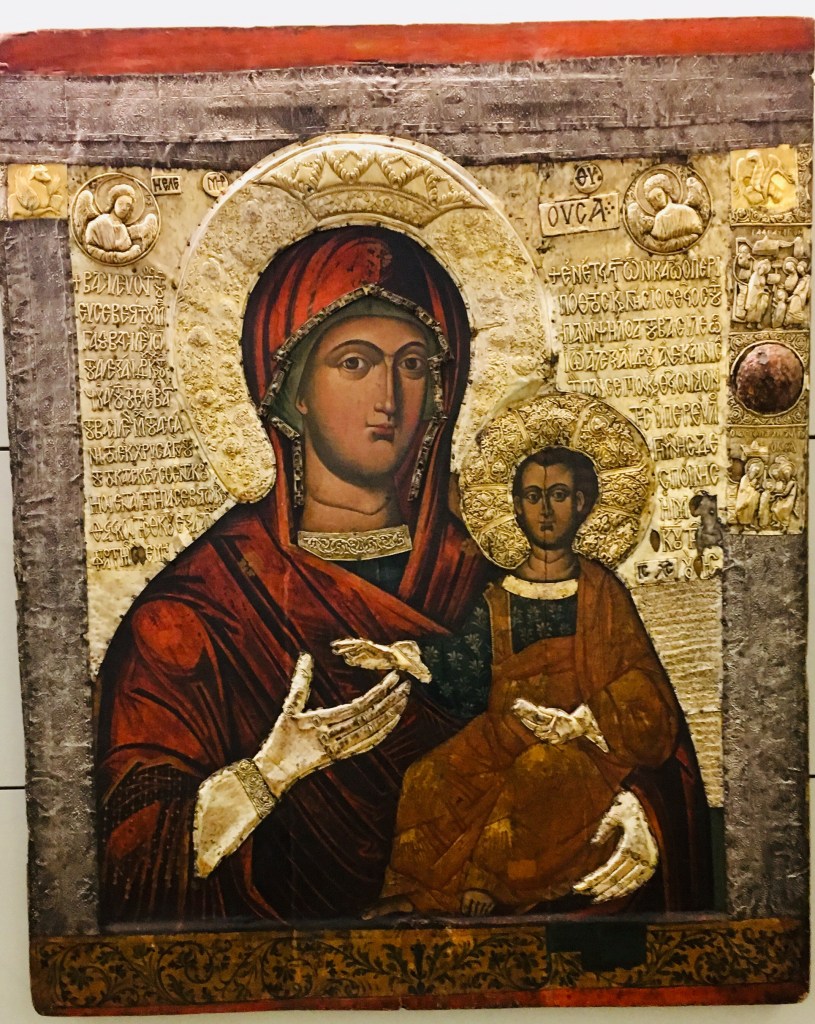
Lastly, I went to the archaeological museum here in Sofia. With such a mixed religious history, I was excited to see what they had preserved. Here are a few of my highlights. I understand they may only be interesting to me.
So apparently St. George did not just kill a dragon, but also survived, Han Solo-style, being dipped in a lime-kiln. For those of you who don’t know, lime is highly caustic and will eat away at your body instantly.
A beautiful baby Jesus and Mary with robot hands.
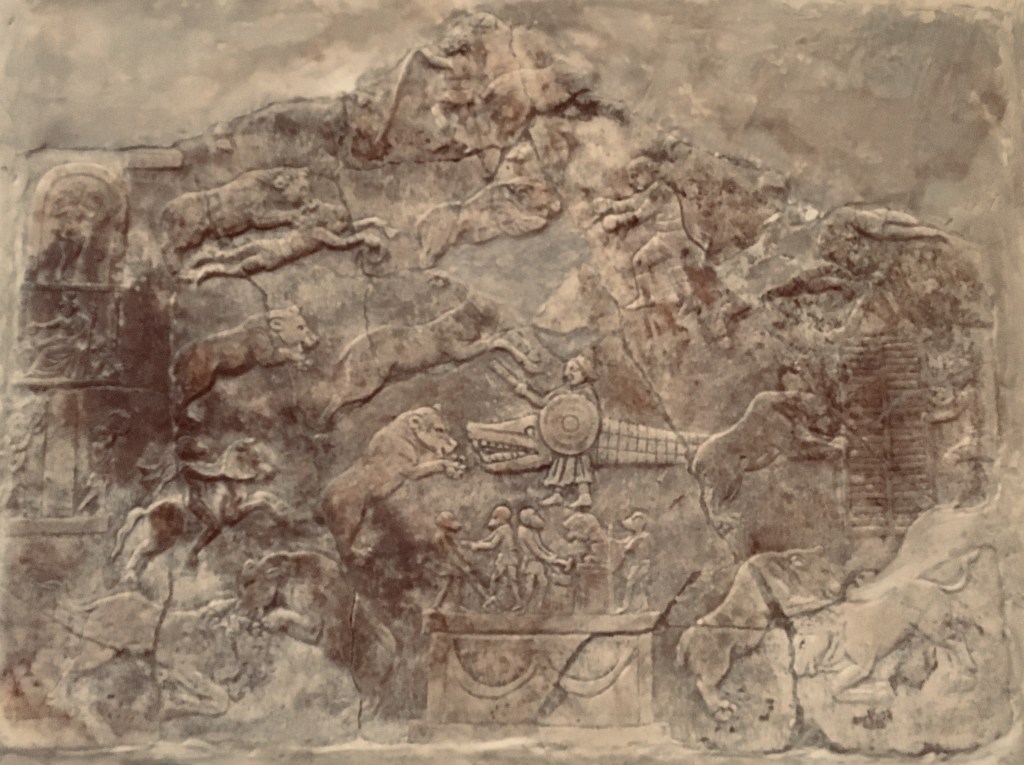
A cool relief of gladiator and animal hunts in the arena of Serdica, the Roman name for the city of Sophia.
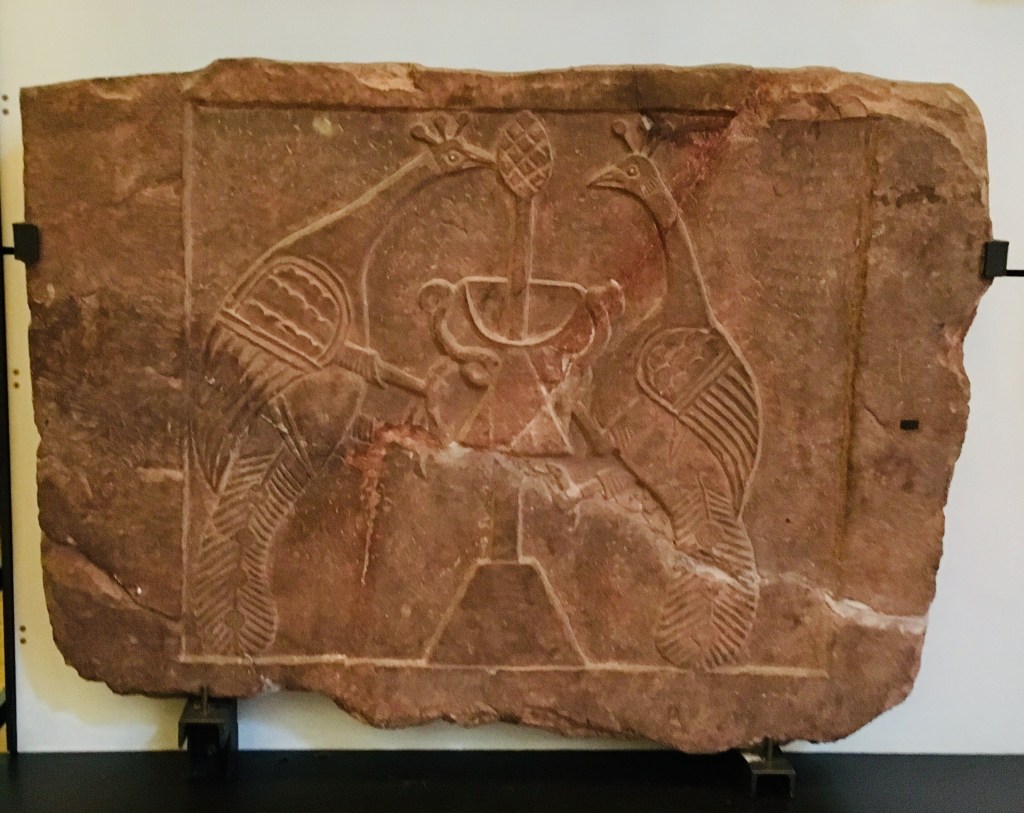
Some early Christian symbolism I didn’t know about. The peacocks here represent the immortality of human souls, the fountain is the spring of life, and the tree of life rises from it.
This is a statue of St. Sophia that was put up after the fall of the Berlin Wall to replace a statue of Lenin. Quite a contrast, really. St. Sophia, besides being a bit sexy, looks also a bit pagan, doesn’t she? The wet drapery technique and the Athena-esque owl. You can understand why she didn’t go over well with the church.

Next week we are in Istanbul!
 Kelly and Garett Get Away